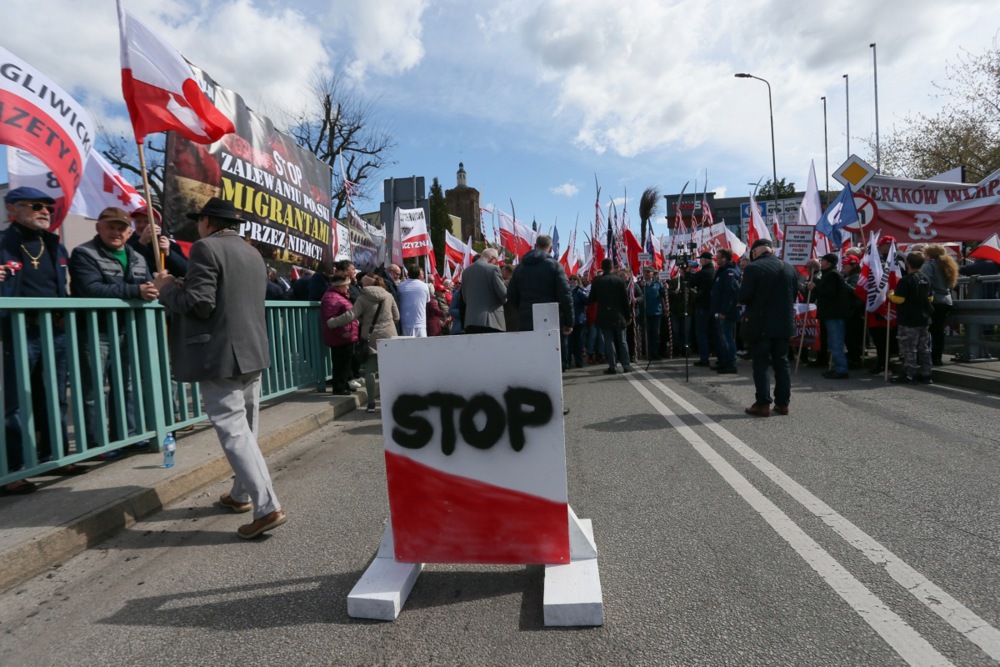
Poland’s opposition has reacted with scepticism to the European Union’s decision to allow the country not to have to receive migrants redistributed as part of the bloc’s Migration Pact in its first year of operation.
The EU’s move was designed to take into account the help Poland has given to Ukrainian refugees.
The Council of the European Union on December 8 took a decision on the pool of migrants that EU member states are to admit under the Migration Pact. Under that, Poland has been placed in the group of states that may apply for “offsetting of their contributions to the solidarity pool”.

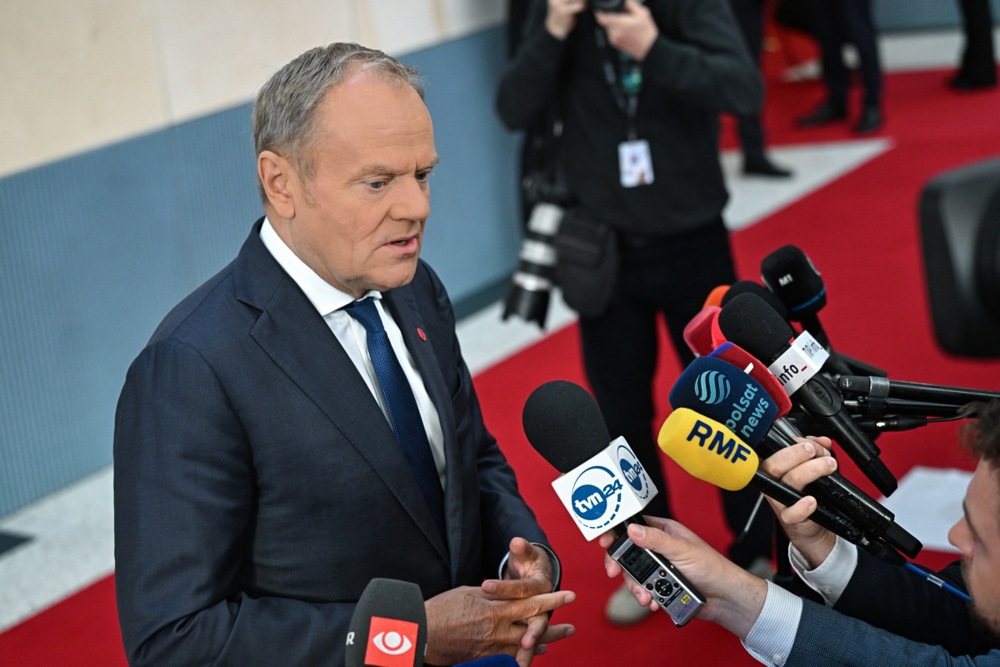
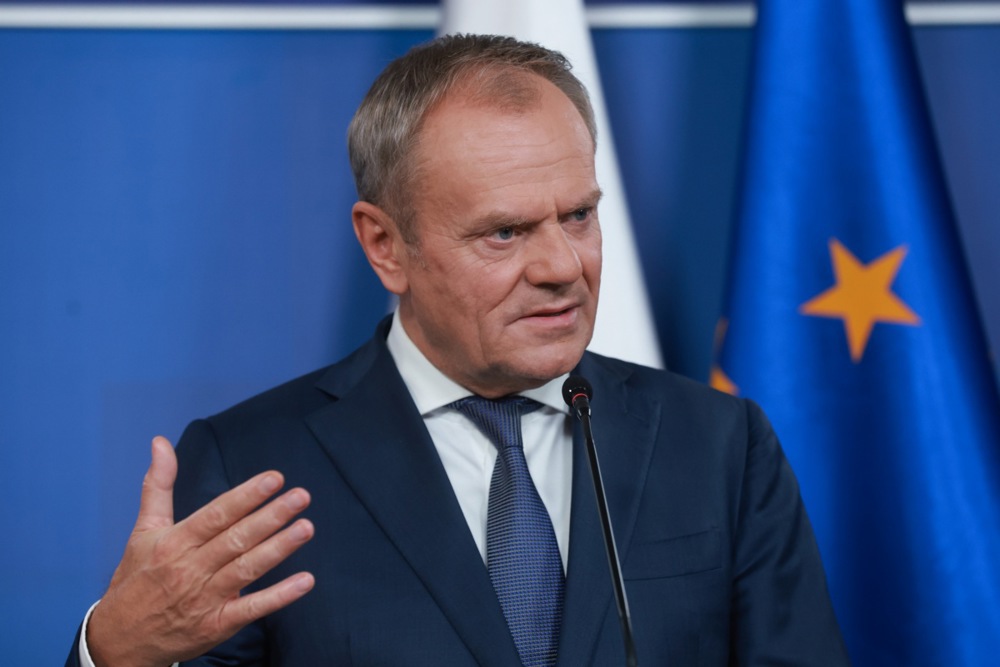
Poland’s centre-left government led by Prime Minister Donald Tusk claimed victory, saying this meant Poland would not have to take in migrants in the near future.
“As I announced, Poland has been exempted from the obligation to accept migrants under the EU relocation mechanism; we act, we don’t talk,” Tusk wrote on X.
Polish interior minister Marcin Kierwiński explained why, in his view, this was a good deal for Poles.
“Poland will not participate in any relocation mechanism. We have said that we will not accept any refugees under this mechanism. We will also not pay any compensation in this regard.
“Therefore, this political agreement that has been reached is very good for Poland,” he said, adding he hoped “this mechanism will remain in force for many years”.
The right-wing opposition, though, has responded coldly, pointing to the fact that the EU decision was discretionary and temporary.
Former Conservative (PiS) foreign minister Szymon Szynkowski vel Sęk pointed out that “relocation mechanism applies to Poland since it is not a country classified as a beneficiary of the Pact like Spain or Italy and therefore we have to apply for a discretionary rebate under the system despite the fact that we have received millions of Ukrainian and Belarusian refugees over the past few years”.
Krzysztof Bosak, one of the leaders of the right-wing Confederation party, said Poland’s fate was now dependent upon discretionary decisions of the EU.
“The Union will be able, at the humble request of the Polish government, to graciously agree, or decline,” he said on X.
“The decision has been taken out of the hands of the Polish government and transferred to the Union, even though this matter does not even fall within the competences of the EU’s according to its treaties.”
The pool of migrants agreed by the Council of the European Union is the number of migrants to be accepted by EU member states in 2026 and the following years.
“The first annual migration management cycle will begin on 12 June 2026. The reference number for the solidarity pool for 2026 amounts to 21,000 relocations or other solidarity actions or €420 million in financial contributions,” the EU communiqué stated.
There are three types of so-called solidarity measures: Relocation, financial contribution, or “alternative” actions.
“Based on the assessment of the quantitative and qualitative criteria set out in the Pact, the European Commission found that Cyprus, Greece, Italy, and Spain are under migratory pressure. These countries may benefit from solidarity measures within the solidarity pool,” the EU said.
Poland, along with Austria, Bulgaria, Croatia, the Czech Republic and Estonia, has been recognised as a country facing a tough situation resulting from “accumulated migratory pressure in previous years”. They “have the possibility to request full or partial offsetting of their contributions to the solidarity pool”, stated the EU communiqué.
Although Poland is a frontline migration State in terms of Ukrainian and Belarusian migrants or refugees, under the Migration Pact the EU does not consider it a potential beneficiary of that mechanism.