In the Netherlands, low-income and vulnerable citizens are disproportionately shouldering the financial and health burdens of climate policies, whilst wealthier individuals and businesses benefit most from government subsidies.
That is according to a new advisory report from the Council for the Environment and Infrastructure (Rli).
Released today, the report warns this “triple inequality” is eroding public trust, stalling the energy transition and deepening societal divides.

Titled Eerlijk verduurzamen: randvoorwaarden voor rechtvaardig beleid (Fair Sustainability: Preconditions for Just Policy), the findings underscore a systemic flaw: Policies designed to combat climate change often exacerbate social injustices, with the “ordinary man” paying dearly for sustainability measures that subsidise the affluent.
The Rli, an independent advisory body to the Dutch Government on environmental and infrastructure matters, presented its report to ministers Sophie Hermans (Climate) and Jürgen Nobel (Social Affairs) amid growing concerns over the fairness of the Netherlands’ ambitious goal to become climate-neutral by 2050.
It argues that current sustainability efforts prioritise rapid, low-cost results, neglecting the human dimension and leading to unintended inequalities.
Rli chair André van der Zande emphasised that “the people who feel unseen are right”, highlighting how policy implementation fails to address the needs of those least able to adapt.
The report draws on focus groups, research from several organisations and real-world examples to illustrate how climate measures are socially regressive without safeguards.
Vulnerable groups, often in low-income neighbourhoods, suffer the most from pollution and climate effects such as poor air quality, flooding and heat stress.
For instance, residents in disadvantaged areas face higher exposure to fine dust and unhealthy living conditions. In contrast, wealthier individuals can afford to live in greener, less polluted zones or challenge developments through legal means.
Low-income households also pay a higher relative share of sustainability costs.
Examples include elevated fuel taxes and energy bills that hit those with limited means hardest, since they cannot easily invest in energy-efficient upgrades. As one report participant noted: “If you’re in the red, you can’t go green.”
Meanwhile, large corporations and high earners continue polluting activities without equivalent penalties.
Government incentives were found to disproportionately favour the wealthy. Research cited in the report shows that the top 10 per cent of income earners apply for subsidies twice as often as the bottom 10 per cent.
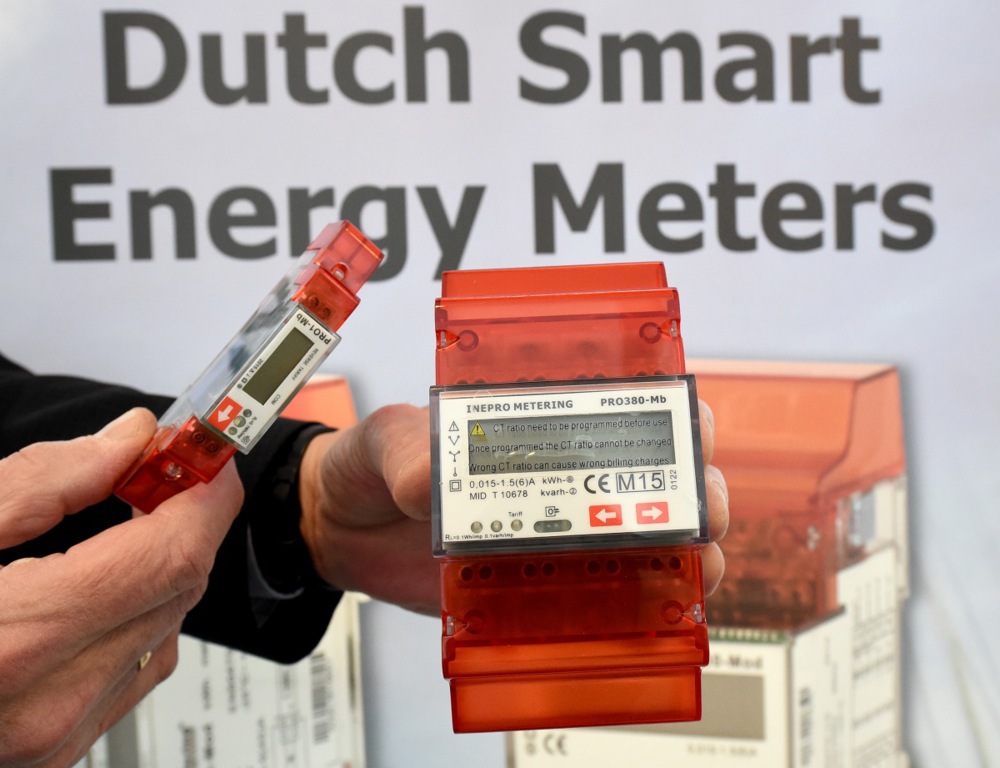
The solar panel net-metering scheme (salderingsregeling), which has primarily benefited homeowners but is being phased out by 2027, leaves social housing tenants to pay service fees of, for example, €15 per month without gains.
Fiscal perks for electric vehicles have gone mainly to high-income buyers, with limited affordable options for others.
Loan facilities and grants are complex to access, exclude those without the time, knowledge or financial stability to apply.
To rectify these issues, the Rli proposes integrating fairness from the outset rather than as an afterthought.
It noted that current policy relies on voluntary nudges and incentives.
“This delivers too little and creates serious unfairness,” it said.
The RLi proposed binding rules that make sustainability the default: Phase out heavily polluting products and tax unsustainable consumption.
It also proposes a “sustainability levy” whose entire revenue is paid back to every citizen as a flat “green dividend”, so low-income households are protected. The government is urged to explore this urgently.
Rli President Jan Jacob van Dijk warned that if the “green transition” was not just, it was doomed to fail.
The outgoing Dutch Government said it would cut back its ambitions to build new wind farms in the North Sea. https://t.co/TGspCA57cr
— Brussels Signal (@brusselssignal) July 22, 2025