The International Monetary Fund (IMF) has urged European leaders to respect national and international law regarding their plans for using Russian assets.
It warned against undermining the international monetary system.
In its latest press briefing on December 5, the IMF also stressed the need for external financial help for Ukraine to avoid liquidity strains during the continuing war.

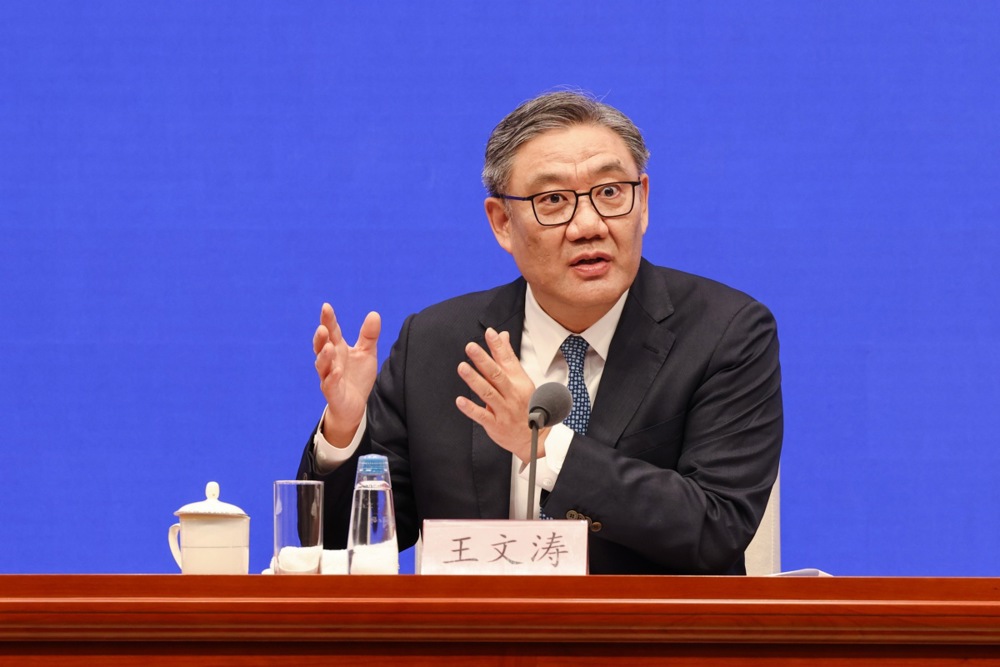
Julie Kozack, the director of its communications department, said the IMF welcomed the rigorous discussions in Europe to support Ukraine.
“We’re closely following these discussions, of course, including options that would involve using Euroclear’s cash balances, generated by Russia’s immobilised assets, while preserving Russia’s underlying claim,” she said, referring to the European plan.
She stressed, though: “IMF Staff and management have consistently advised that any action relating to the use of Russia’s immobilised assets should respect international and domestic law and not undermine the functioning of the International Monetary System. And we’re assured that [Russian] European policymakers appreciate these important considerations.
“And then maybe just finally on the question of the programme financing, just to reiterate that IMF resources are intended to provide balance of payments support to help restore growth, and they’re not directly linked to any repayment of any outstanding debts,” Kozak said.
“They’re there to support the overall balance of payments.”
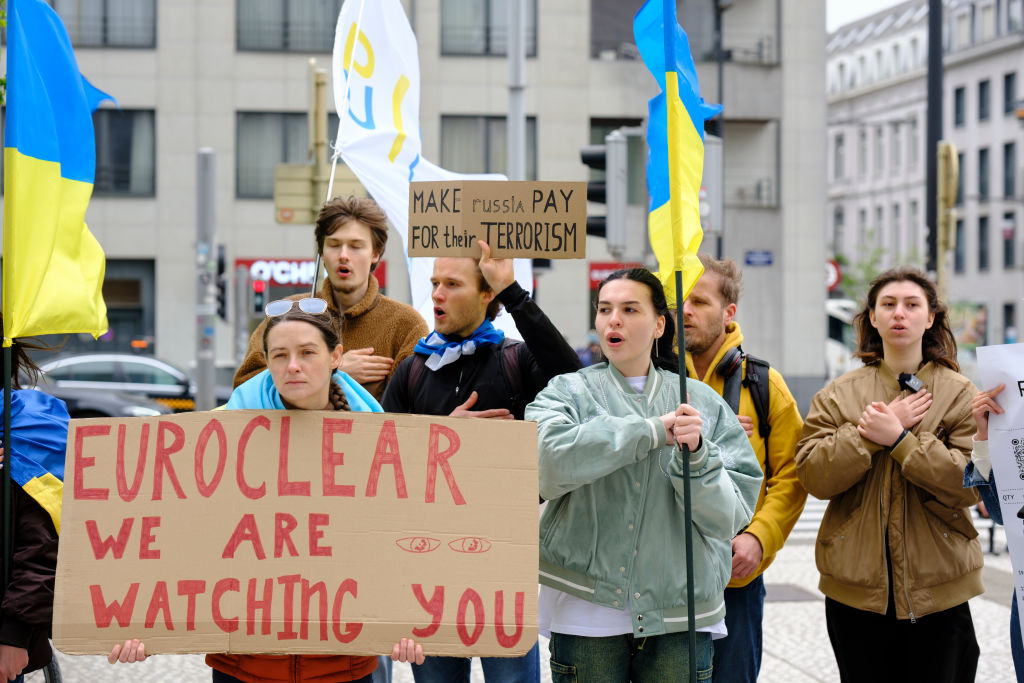
Many European leaders and the European Commission want to tap into €140 billion in frozen Russian assets to fund reparations loans to Ukraine.
But there has been a lot of push-back against the plan. Belgium, where the bulk of the loans are held by Euroclear, a financial market infrastructure group that specialises in the central securities depositories (CSD), has been leading the resistance. Both the government and the national bank have warned about the potential consequences of the plan.
The European Central Bank compounded Belgium’s position by refusing to act as a liquidity backstop for the loan. The ECB deemed it a violation of its monetary stability mandate and equivalent to direct government financing.
Today, seven European heads of state called in a letter to EU leaders to use the Russian assets anyway.
The leaders of Poland, Sweden, Finland, Estonia, Latvia, Lithuania and Ireland claimed using the Russian assets is the most financially feasible and politically realistic solution to Ukraine’s financial crisis.
“Since the start of Russia’s large-scale invasion in 2022, Europe has been steadfast in its support for Ukraine. We do this because it is morally right, but also because Russia’s imperial ambitions threaten European security beyond Ukraine,” they said.
Ukraine is fighting “for our freedom and our values too. We are determined to find robust long-term support that will strengthen Ukraine”, they added.
Confiscating Russian frozen assets is a dangerous experiment – My latest for @brusselssignalhttps://t.co/pDrIfnqOHM
— Pieter Cleppe (@pietercleppe) December 3, 2025