Italian Deputy Prime Minister Matteo Salvini has won his case at the Italian Supreme Court regarding accusations of kidnapping migrants, which could have resulted in a long prison sentence.
Yesterday, Italy’s Supreme Court upheld the acquittal of Salvini in a high-profile case stemming from his actions as interior minister in 2019.
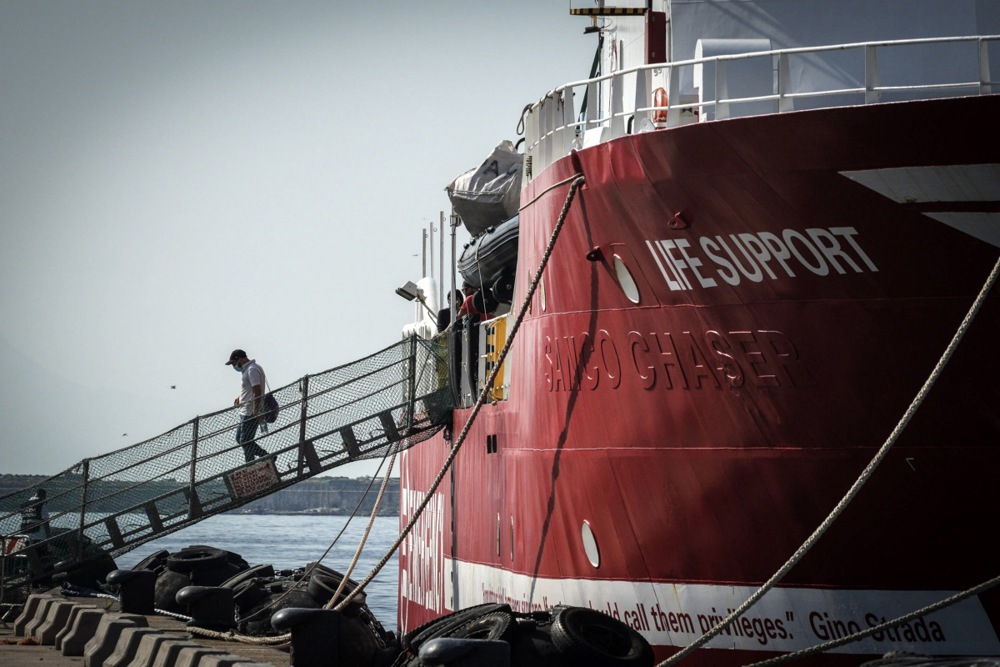
The case centred on Salvini’s decision in August 2019 to prohibit the Spanish NGO ship Open Arms from docking in Italy.

The vessel had picked up 147 migrants in the Mediterranean and was kept at sea for nearly three weeks before authorities eventually allowed disembarkation after seizing the ship.
Prosecutors in Palermo charged Salvini with kidnapping and abuse of office, arguing that his refusal to assign a port of safety unlawfully restricted the migrants’ freedom.
During the trial, they sought a six-year prison sentence.
In December 2024, a Palermo court acquitted Salvini on the grounds that “the fact does not subsist”, ruling that he had no legal obligation to grant the ship permission to land in Italy, particularly as it was a foreign-flagged NGO vessel.
Palermo prosecutors then lodged an unusual direct appeal (per saltum) to the Supreme Court, bypassing the intermediate appeals level, seeking clarification on whether his conduct constituted a crime.
The Supreme Court rejected this appeal, making the acquittal final and closing the case with no possibility of further challenges.
Salvini, who also serves as transport minister and leads the League party, welcomed the ruling, stating on social media: “Defending borders is not a crime.”
Cinque anni di processo: difendere i confini non è reato. pic.twitter.com/ufR02hTsu0
— Matteo Salvini (@matteosalvinimi) December 17, 2025
Italian Prime Minister Giorgia Meloni echoed this, describing the verdict as “good news”.
The founder of Open Arms NGO, Oscar Camps, criticised the decision as “political” rather than judicial, arguing it created impunity.
Salvini and his allies have repeatedly framed the prosecution as a politically motivated “persecution” by left-wing elements in the judiciary, particularly highlighting the unusual direct appeal to the Supreme Court as evidence of ideological bias.
The prosecutors involved in pursuing the charges against Salvini, in particular Luigi Patronaggio, are frequently described as left-leaning or politically biased by Salvini himself, his supporters in the League party, alongside right-wing media outlets in Italy.
This characterisation often uses the term “toghe rosse” (red robes), a pejorative phrase implying leftist or Communist sympathies within the judiciary, which has been a longstanding accusation from Italy’s political Right against magistrates seen as opposing conservative policies on immigration and borders.
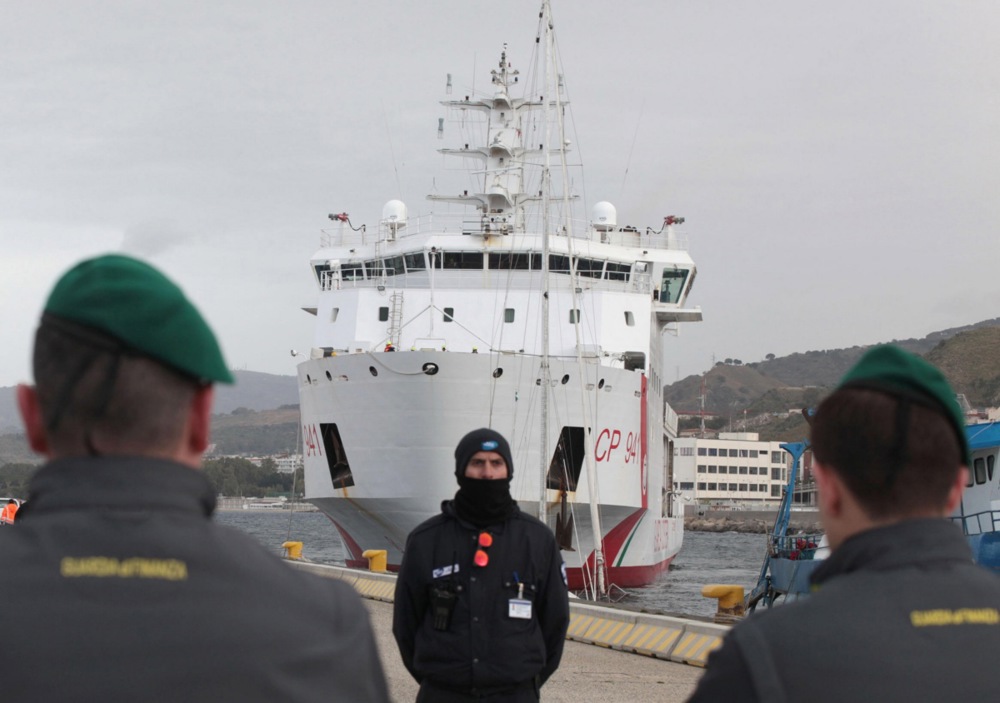
In August 2019 it was Patronaggio himself who boarded the ship of the Spanish NGO and seized it, allowing a disembarkation despite the prohibition. Patronaggio tried to go after Salvini before, during the similar Diciotti case.
Patronaggio also warned in the past, though, of the risks of terrorists using migrant boats to enter the country.
Critics from the Left often dismiss the toghe rosse label as a rhetorical tactic used by the Right to delegitimise unfavourable rulings, pointing out that the same judiciary has acquitted Salvini in this and other cases, undermining claims of systemic bias.
A top Italian magistrate has faced criticism after sending an email where he described Italian Prime Minister Giorgia Meloni as “dangerous” due to her political beliefs. https://t.co/73UXsKCs5H
— Brussels Signal (@brusselssignal) October 23, 2024