Putin is not hiding his intentions. On December 2, 2025, at the VTB forum in Moscow, he stated, “The most radical way is to cut Ukraine off from the sea”. This came as a direct response to Ukrainian drone strikes on Russia’s tankers. Odessa, Ukraine’s premier Black Sea port, is the obvious target here. Without it, Kiev loses everything. And if Brussels and London do not change course, it may indeed end up in Russian hands.
This is no isolated remark. Back in March 2025, during a private meeting with business leaders, Putin reportedly warned: “We’ll take Odessa next”, if peace terms are rejected. In December 2023, he called Odessa “a Russian city”. Just last month, amid stalled talks, his envoys leaked similar threats to Western media, tying Odessa’s fate to Ukraine’s refusal to concede Crimea and the Donbas. Analysts like John Mearsheimer and Douglas McGregor are positive that Odessa will be the next objective. So, do not be surprised if Russia ends up doing what Russia has been saying it will do.
Do not ignore history either. Founded in 1794 by Empress Catherine the Great as part of her Novorossiya project, the city was a jewel of the Russian Empire. Built on the ruins of an Ottoman fortress, it grew under Russian rule into a cosmopolitan hub, home to Pushkin, Babel, and affluent Jewish, Greek, and Armenian communities. It remained Russian until 1918, then Soviet until 1991. Even under Ukrainian independence, Russian speakers have been dominant and cultural ties endure.

Plus Moscow will never forget or forgive the mass and atrocious killings of Russian-speaking Odessans by Ukrainian nationalists in 2014. Especially in the case of the dozens burned alive at the Trade Unions Building, the FSB has clearly said it knows who the murderers are, and will not leave them unpunished.
Putin thrives on this narrative. To him, Odessa is not Ukrainian heartland but stolen tsarist legacy, a Black Sea outpost Moscow cannot abandon in foreign hands, where justice over hideous crimes still needs to be delivered. Time is on his side. Stall all that you want. Extend fiery sermons. Indulge yourselves in posturing. Moscow knows it has the means to do it and Washington does not intend to do anything about it. After all, the POTUS gave peace a chance. It is Europe who did not -Trump is sure to say.
Everyone in Brussels knows the stakes. Yet Europe has spent the last month undermining the only viable peace plan on offer: The 28-point American proposal. It calls for freezing the front lines, acknowledging Crimea’s de facto loss, establishing a demilitarised zone along the Dnieper and channelling frozen Russian assets into Ukraine’s reconstruction. US envoys like Jared Kushner and Steve Witkoff have been shuttling between capitals, pressing for a deal to end three years of grinding war.
Kiev did not appreciate the plan, branding it a “surrender roadmap”. This is perfectly understandable. But Brussels went further, as the EU unveiled its counter-proposal: No territorial concessions, intensified sanctions, and an accelerated path to NATO membership for Ukraine. Putin rejected the European manifesto on December 4, calling European powers the saboteurs of peace. It therefore goes without saying that the war will continue.
But who will stop Russia on the ground? Ukrainian manpower dwindles: Conscription clashes in Lviv, rising desertions on the front and casualty numbers do not lie. Negotiations stall, munitions run low, Russian forces advance. The Institute for the Study of War has been warning for months: Moscow needs no blitzkrieg. Time alone erodes Ukrainian defences. Europe is providing it.
Europe’s leaders invoke “principles” and “red lines”. But they sound unrealistic when the EU and UK are practically unable to wage war against Russia. Boutique armies, lack of central command, depleted arsenals, public fatigue, economic ties -nothing permits a direct confrontation.
NATO will not get into a military clash, either. The new US National Security Strategy, released on December 5, is clear. It declares an “expeditious cessation of hostilities in Ukraine” a “core interest” of the United States. Washington wants not to defeat Russia, but to “re-establish strategic stability” with Moscow and ensure Ukraine’s “survival as a viable state”. Trump’s blueprint slams European “unstable governments” for “unrealistic expectations”. So NATO under Trump offers no salvation. If Brussels scuttles the deal, Washington will not back a prolonged proxy fight.
This dead end favours Putin, giving him every excuse to carry on with his Special Operation. Odessa’s capture would allow him to control global grain prices, turn the Black Sea into a Russian pond and extend his de facto zone of control to Transnistria, putting extra pressure on the EU. He has been given every reason to do it. Not to mention it would further establish him as a national hero at home.
So, things are quite straightforward. Go on with what you have been doing for the last three years and see what develops. Expect a different result without changing what you and the enemy do and you are in for a rough empirical landing. Keep showing utter disregard for the lives of Ukrainian men, and one day you will turn Ukraine’s people into your enemy too.
Zelensky will not be ruling forever. At some point, Ukrainians will start asking questions. Who pushed them into strategic defeat? Who stood by cheering while their homeland was becoming a landlocked protectorate? With its illusion of grandeur and blind arrogance, Europe is building a legacy which risks offering Russia historic gains, while making new enemies both out of its own citizens and its supposed friends.

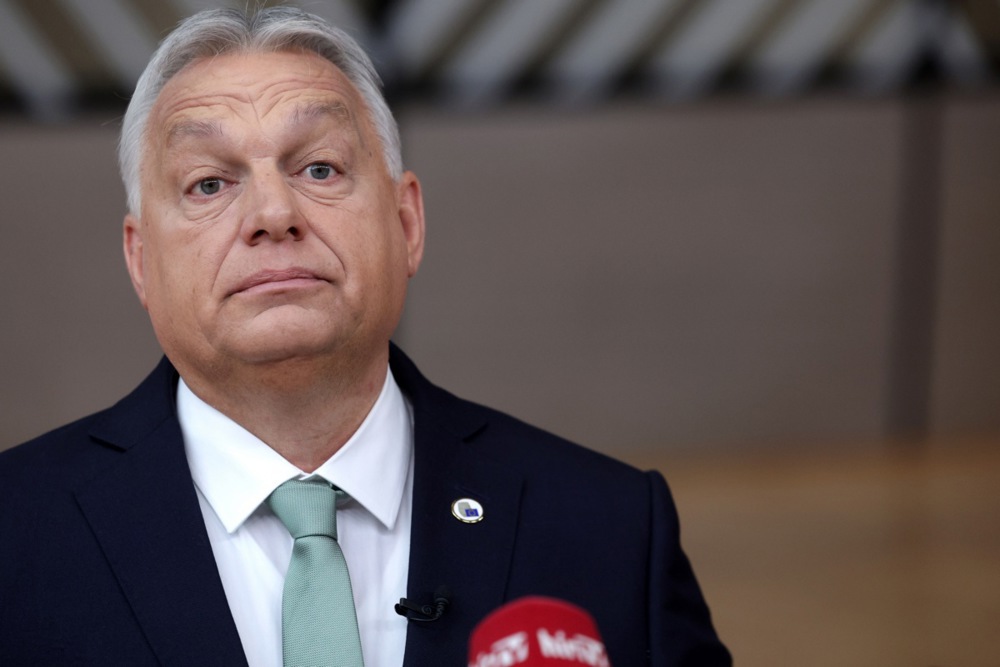


Europe’s paper tiger: Mightier than Russia yet still afraid of it