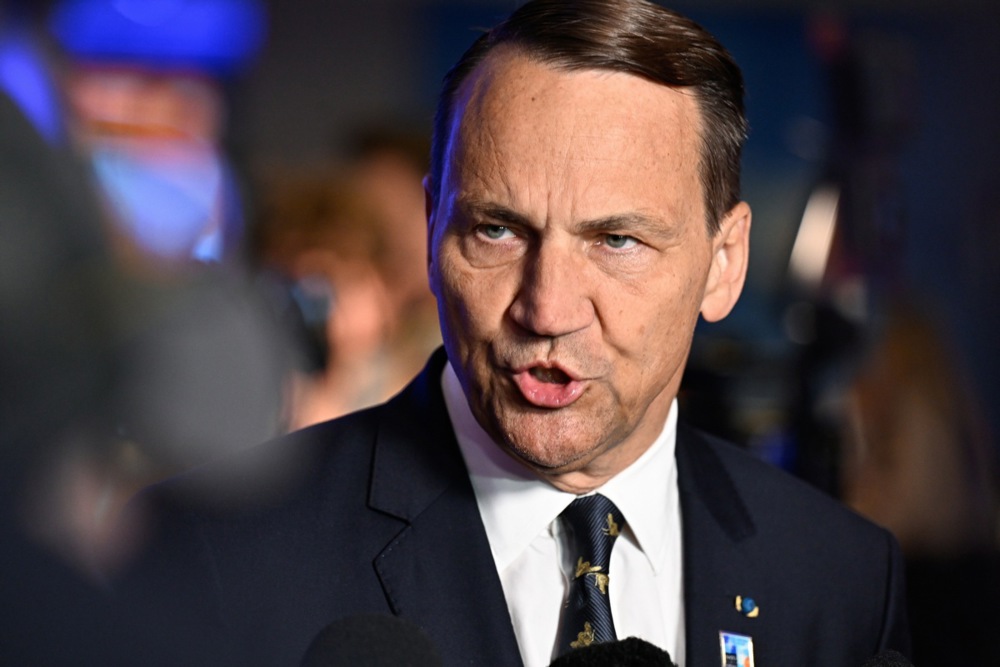
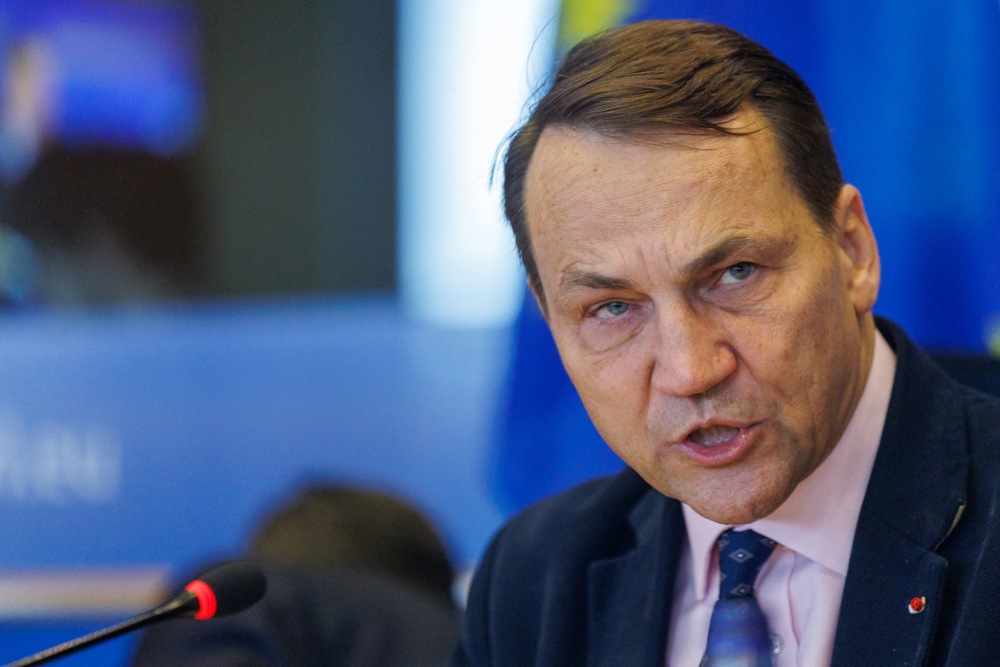
Poland’s foreign minister Radosław Sikorski told Elon Musk to “Go to Mars” after the US billionaire called for the European Union to be abolished.
Musk’s comments came as part of a wave of criticism by US figures targeting the bloc’s policies on free speech and migration.
On December 6, Musk wrote on his social media site X: “How long before the EU is gone? Abolish The EU”. Sikorski replied: “Go to Mars. There’s no censorship of Nazi salutes there.”

Go to Mars.
There's no censorship of Nazi salutes there.— Radosław Sikorski 🇵🇱🇪🇺 (@sikorskiradek) December 6, 2025
Sikorski was referring to images of Musk making what some commentators alleged as a Nazi salute at President Donald Trump’s inauguration in January. His retort also referred to referred Musk’s SpaceX goal of travelling to Mars to establish a “a self-sufficient city” on the red planet.
Musk’s posts about the EU attracted the attention of former Russian president Dmitry Medvedev, who agreed with Musk’s assertion that European countries should regain their sovereignty.
This prompted another post from Sikorski, who forwarded the interaction along with a post implying that Russia was the real winner from rhetoric criticising the EU and promoting nationalism in Europe.
“If anyone still has any doubts about who all this anti-EU talk about sovereignty serves. Those who want to profit from sowing hatred and those who want to conquer Europe,” he wrote.
This was not Sikorski and Musk’s first online spat.
In June, Sikorski taunted Musk over his brief venture into US politics after a public falling out with Trump by saying: “See, big man, politics is harder than you thought”. That was in response for the US entrepreneur calling the Pole a “little man”. That was in another exchange over Sikorski’s condemning Musk’s threats to cut off Starling internet connections with Ukraine.
US-EU tensions have come to the fore after a new US security strategy was published on December 4 criticising the bloc for allegedly crushing national identities and causing “civilisational erasure” through its stance on migration.
Musk, along with US Secretary of State Marco Rubio, was also angry about the European Commission’s decision to fine X €120 million.
Rubio called the EC action an “attack on all American tech platforms and the American people by foreign governments” adding: “The days of censoring Americans online are over.”
Polish Prime Minister Donald Tusk, who leads the centre-left coalition government, has also reacted to the new US National Security Strategy.
In a message addressed to his “Dear American friends,” Tusk wrote: “Europe is your closest ally, not your problem. And we have common enemies. At least that’s how it has been in the last 80 years. We need to stick to this, this is the only reasonable strategy of our common security.
“Unless something has changed.”
Poland has been called a “model ally” by the US because of its high levels of defence spending and successive governments have sought a close relationship with Washington.
Tusk, though, as an ex-President of the European Council, is a staunch defender of the EU and its direction towards an ever-closer union. He is a fierce critic of European conservative and nationalist parties stances on making Europe a union of sovereign nation states again.
Kaja Kallas, EU High Representative for Foreign Affairs and Security Policy and Vice-President of the European Commission, struck a more conciliatory tone towards the new US strategy.
“There’s a lot of criticism but I think some of it is also true, if you look at Europe, it has been underestimating its own power towards Russia,” she said.
An EC statement emphasised that the EU welcomes “the strong priority the strategy places on ending Russia’s war against Ukraine”.
“For a long time Europe has relied on the US when it comes to defence,” it said. “Over the last years, we are stepping up and will continue doing so. We are strengthening our defence capabilities and reinforcing our defence industrial basis.”
But, while not directly referring to the US claims about free speech, sovereignty and migration, the statement defended the bloc’s right to make its own moves in areas such as free speech.
“When it comes to decisions relating to the European Union, they are taken by the European Union, for the European Union, including those relating to our regulatory autonomy, protection of free speech and the rules-based international order,” it said.