French police have raided the home of French culture minister Rachida Dati on suspicion of alleged corruption during her days as member of the European Parliament.
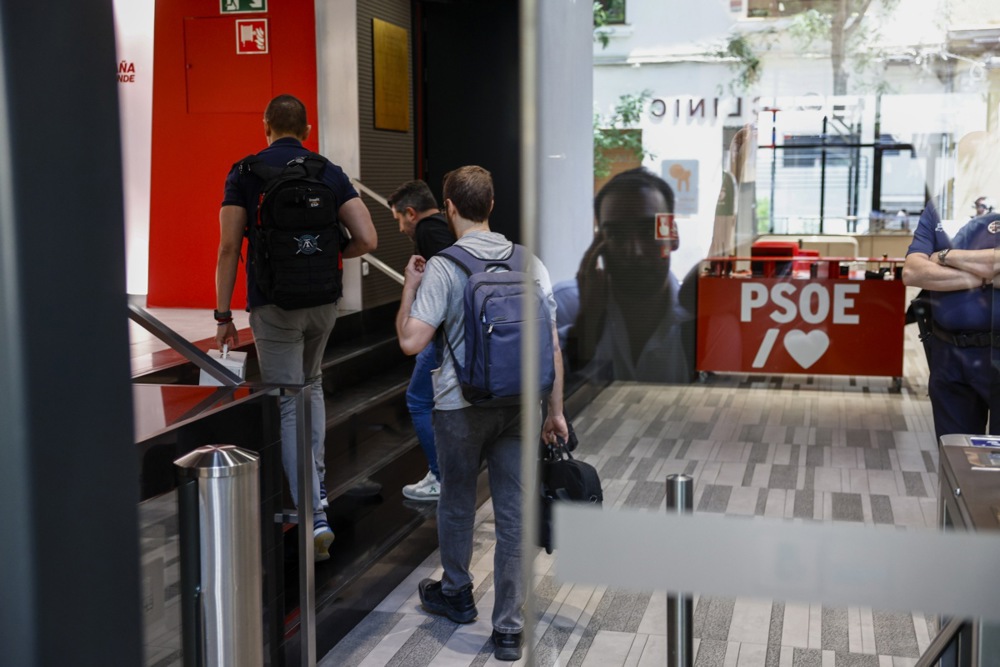
Yesterday, officers carried out searches at Dati’s residence, the Ministry of Culture offices and the town hall of Paris’s 7th arrondissement, where she also serves as Mayor.
That was part of a probe opened on October 14 into alleged possible active and passive corruption, influence peddling, embezzlement of public funds, concealment and related offences.

According to the National Financial Prosecutor’s Office (PNF), investigators are examining whether Dati received nearly €300,000 in fees from energy group GDF Suez while she was an MEP between 2010 and 2011, without declaring their origins.
In 2013, she was questioned by the European Parliament’s ethics committee on the accusations that she was lobbying on behalf of GDF Suez. French media repeated the allegations in the summer of 2024.
Dati has denied the allegations and said all her declarations were lawful. Her lawyers declined to comment on the searches when approached by the media.
She was MEP from 2009 until 2019 for the centre-right Republicans.
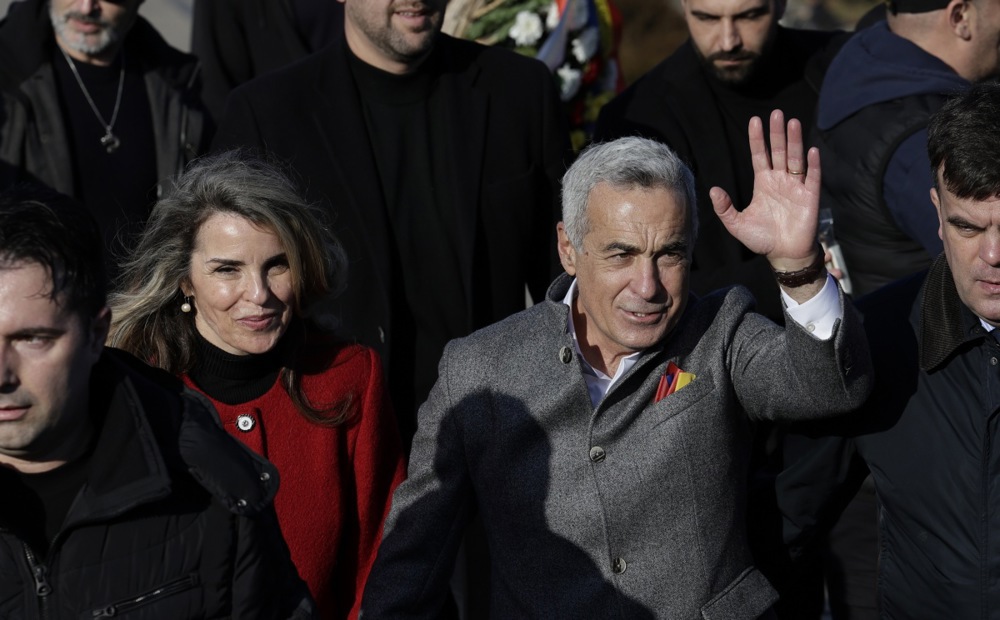
She is also facing other legal scrutiny including a separate case involving consulting fees allegedly totalling around €900,000 from a Renault-Nissan subsidiary, for which she and former eRenault CEO Carlos Ghosn are expected to stand trial.
There are also reports that she allegedly did not declare certain jewellery and watches worth around €420,000 on taking up ministerial office.
The searches in this potential 15-year-old case took place less than 90 days before the Paris municipal elections, where Dati is a major candidate for becoming the next mayor of the French capital.
This is feeding into accusations of political motivation on the part of France’s National Prosecutor’s Office, an organisation created in 2013 under the presidency of Socialist François Hollande.
It investigated the centre-right François Fillon for alleged fictitious jobs and that investigation accelerated about three months before the presidential first round.
This contributed to Fillon’s drop from polls favourite, clearing the path for Emmanuel Macron, a former Socialist, to become the next President of France.