The Swedish solar installation industry, already battered by a wave of failures throughout 2025, has seen no let-up in the final months of the year.
Amid plummeting demand and economic headwinds, the latest data from credit monitoring firm UC and industry trackers Laddtorsk show a total of 160 solar-related insolvencies in 2025 to date, surpassing the 147 recorded in 2024.
April alone contributed several high-profile cases, including Sun4Energy Sweden, a subsidiary of Niutech Groups with 2024 turnover exceeding 279 million kronor (€25 million), which filed for bankruptcy earlier in the year.

Other April filings included smaller operators such as Svenskt ByggMontage (€6.1 million turnover) and Niutech Sol och Energi (€3.5 million), affecting dozens of employees and leaving customers with unfinished installations.
The sector’s troubles, which began accelerating in mid-2024, have intensified in the latter half of 2025 due to a combination of factors. These include subsidy reductions for micro-producers, sustained high interest rates curbing household investments and a significant drop in system prices.
The Swedish Riksdag decided to lower the “green”-technology tax reduction for solar installations from 20 per cent to 15 per cent for installations fully paid after June 30, 2025.
On top of this, there is a rising number of hours with negative electricity prices in 2024–2025 and an increasingly saturated market.
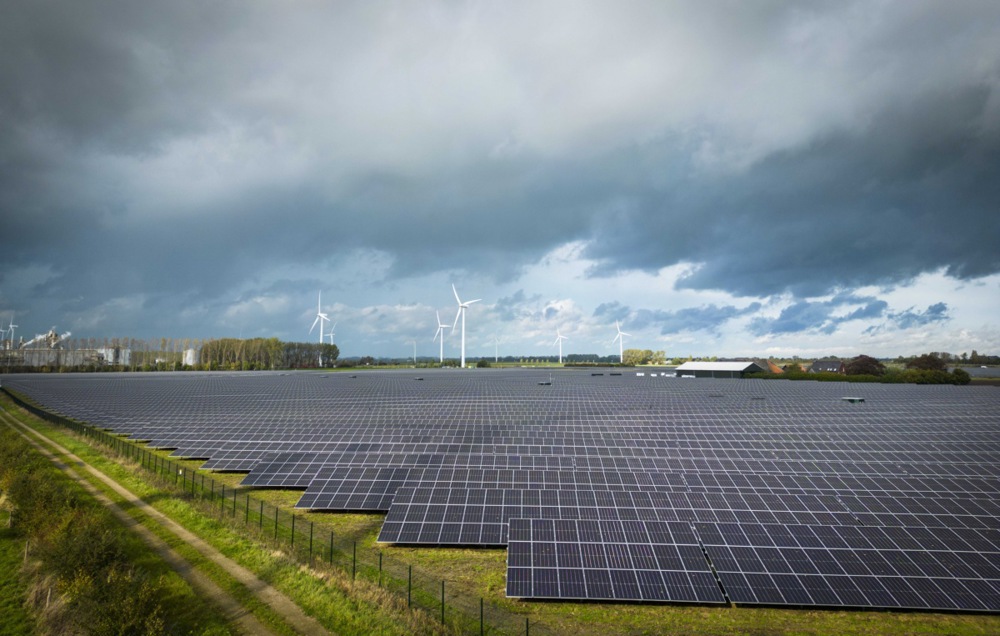
Commercial projects have fared slightly better but, overall, new solar capacity additions slowed and are estimated to be down compared to 2024.
More and more Swedes are looking to batteries and the total capacity has risen but here grid connections for batteries need to be simplified. That is because Swedish distribution system operators and transmission system operators have insufficient process for handling batteries, which makes the connections too slow.
Late-year casualties underscore the human cost: Veosol Energi in Örebro, a specialist in solar for homes, farms and industry, with 16 employees and €3.6 million in 2023 turnover, entered bankruptcy in September, with effects lingering into November as clients sought alternatives.
Customers who paid upfront – often 20 per cent to 50 per cent of project costs – are advised by consumer agency Konsumentverket to file claims with the estate administrator, although recovery rates are often low.
Industry body Installatörsföretagen warns of further risks into 2026, with electrical installation bankruptcies – many solar-linked – being so high.
In October, Solar Power Europe warned in a report: “For the first time in a decade, the European solar sector is set to lose jobs.
“With solar market growth projected to turn negative this year largely due to the long-time solar sector’s job driver – the EU solar workforce is expected to contract by 5 per cent, falling to around 825,000 jobs. “