Germany’s right-wing AfD opposition has continued to extend its lead in opinion polls in the new year.
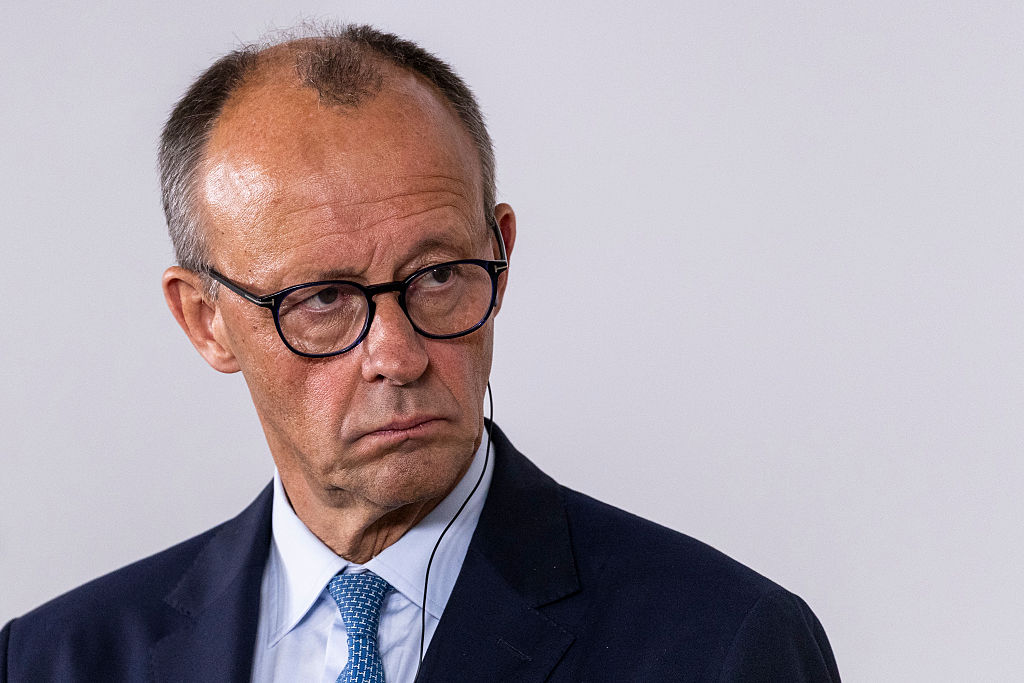
In the latest survey by pollster GMS, conducted between December 23 and January 5, the Alternative for Germany party (AfD) has put a record distance between itself and the ruling CDU/CSU of Federal Chancellor Friedrich Merz.
While the AfD came in first place with 27 per cent of the hypothetical vote, only 24 per cent of respondents would cast their ballot for Merz’s Union parties, a difference of three percentage points.

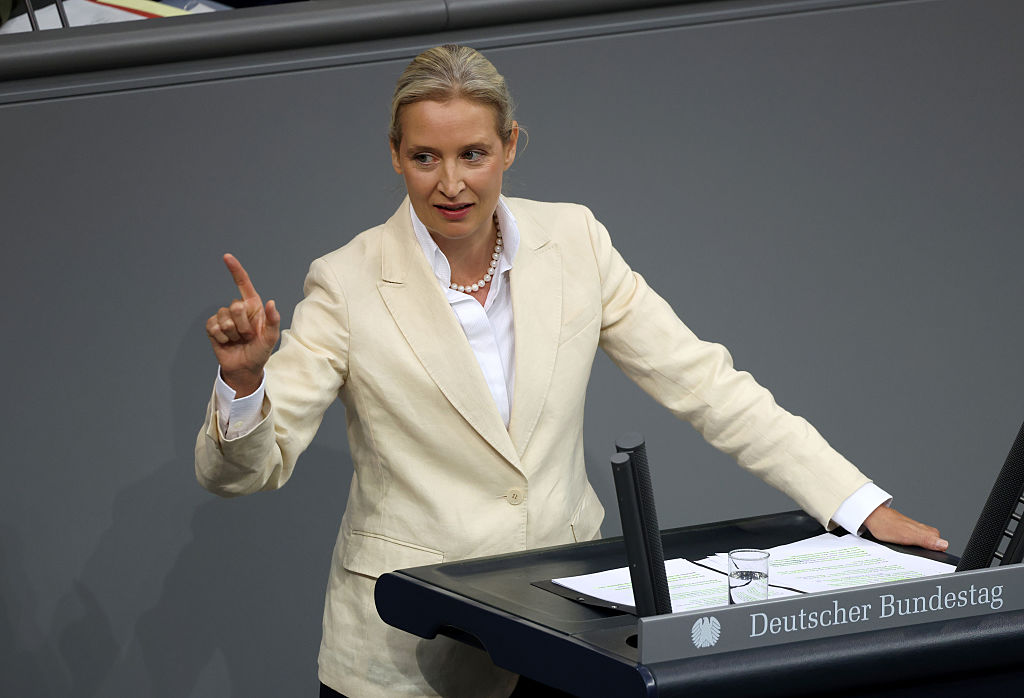
Never before has a nationwide German poll put the AfD so far ahead of the governing Conservatives. Its support of 27 per cent also represents a new high water mark for Alice Weidel’s party.
For the survey, 1,027 Germans were questioned online and via telephone between December 23 and January 5.
No other party came close to the AfD and CDU. The Social Democrats (SPD) coming in third at 15 per cent, the Green Party reached 12 per cent, and the hard-left Die Linke party came in at 10 per cent.
Only a year ago, the same long-running poll placed Merz’ party at 33 per cent while only 18 per cent of respondents favoured the AfD.
In the twelve months since, the CDU has lost 9 percentage points while the AfD is up by a corresponding amount.
The GMS poll was the first nationwide survey to be published in 2026. Another poll by INSA placed AfD and CDU almost equally at 25.5 per cent versus 25 per cent.
The AfD are also polling well in many of the five German States (out of 16 total) who are holding State parliament elections in 2026.
On March 8, the southwestern state of Baden-Wurttemberg is going to kick off election season.
The latest poll by pollster Infratest dimap shows CDU coming in first place there with 29 per cent, followed by AfD with 21 per cent and the Green Party with 20 per cent.
The Greens are down massively from the last State parliament election in 2021, which they won with 33 per cent of the vote.
The CDU then achieved 24 per cent and AfD barely won 10 per cent of the vote.
The Conservatives are also set to come in first in State parliament elections in North Rhine-Westphalia on March 22 where they can currently expect 29 per cent of the vote, followed by SPD with 23 per cent and AfD with 19 per cent.
The SPD-led State government of NRW has recently made headlines with exceptionally harsh and – according to critics – borderline undemocratic measures against AfD members.
These have included attempts to exclude them from public service or banning them from standing for public office.
Finally, in September 2026, there will be elections in the eastern German States of Saxony-Anhalt and Mecklenburg-Vorpommern.
In both states, the AfD is currently polling around the 40 per cent mark – which might finally make it impossible for the other parties to keep the AfD out of state governments.
The German capital of Berlin is also holding city council elections in September 2026.
The latest polls put the Union parties at 22 per cent there. They are narrowly ahead of Die Linke, the successor of the former Eastern German Communist unity party SED, polling at 19 per cent.