A German left-winger who faked and sent out letters purportedly written by right-wing opposition party Alternative for Germany (AfD) had been acquitted by a court in Berlin.
In a verdict dated January 13, the Tiergarten District Court ruled the activist’s actions did indeed fulfil the criteria for document forgery – a criminal offence. However, the culprit’s actions could be construed as satire and were covered by artistic freedom, it said.
In November 2023, Philipp Ruch had sent out letters to nine members of AfD. He used the party’s official logo and copied the signatures of its leaders Alice Weidel and Tino Chrupalla, giving the impression that the forgeries were official letters from the leadership of Germany’s main opposition party.

The letters urged recipients to report “relevant circumstances” from within the party which might aid German authorities in their ongoing struggle to ban AfD.
Ruch asked for excerpts from group chats, pictures of weapons or recordings of meetings – everything which could “come back to bite AfD” – purportedly so that party leadership could devise defence strategies.
It also promised the addressees prizes and an exemption from party membership dues until the end of 2025 if they delivered usable information.
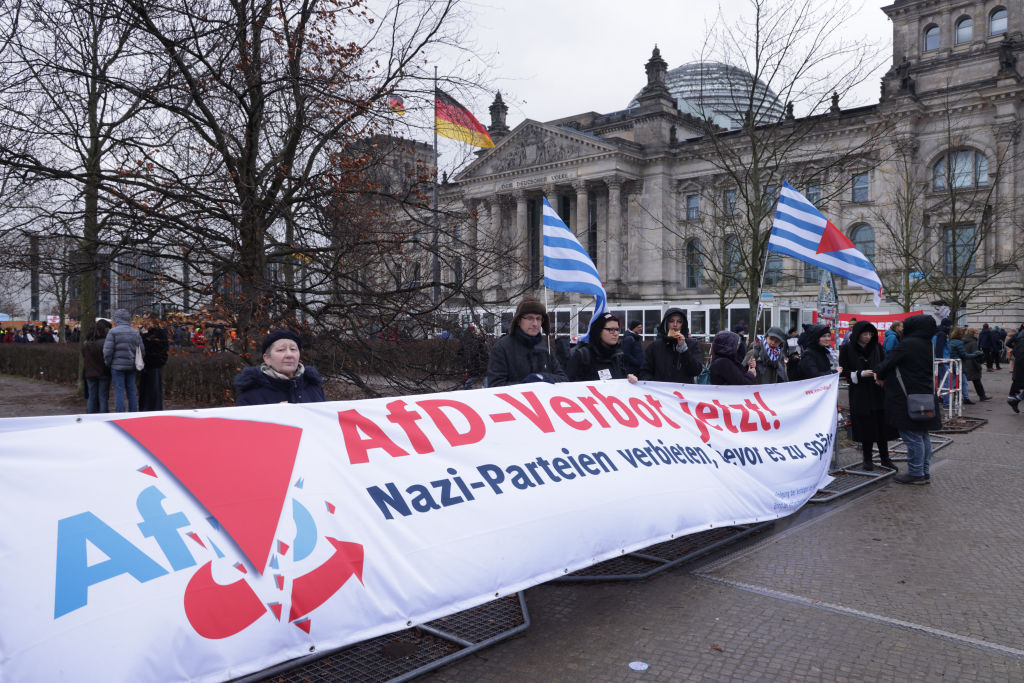
In truth, Ruch intended to use the material gathered for a campaign to push for an AfD ban orchestrated by a hard-left artist collective he founded, the so-called Centre for Political Beauty (Zentrum für Politische Schönheit, ZPS)
ZPS is a Berlin-based organisation that has repeatedly tried to oppose the AfD with “humorous” actions such as drowning out an open-air interview with AfD leader Weidel with loud music in July last year – allegedly with silent approval from Berlin officials.
The prosecutor’s office said Ruch’s deed constituted document forgery – which is a criminal offence according to Section 267 of the German Criminal Code – and demanded a fine of €7,200.
Ruch said he had been using forged signatures for around 18 years in his activism and warned the judge she was “robbing him of the soul of his projects”.
Presiding judge Regina Schlosser ultimately ruled in Ruch’s favour. While his actions fulfilled the criteria for document forgery, they should be seen as an artistic performance, “AfD must accept artistic criticism”, she added.
The prosecution may still appeal the verdict.
Ruch said he was happy with the outcome and added that his artist collective would continue using forged signatures in the future.