The European Commission is urging member states to consider establishing a standing military force of 100,000 troops.
The push comes amid heightened concerns over the reliability of US security commitments to the continent.
European Commissioner for defence and space, Andrius Kubilius, made the proposal during a speech at a national security conference in Sweden yesterday.

He described the idea as one way of addressing what he said was a fundamental question facing Europe: “How will we replace the 100,000-strong American standing military force, which is the backbone of military power in Europe?”
His comments come against the backdrop of recent statements by US President Donald Trump, who has repeatedly expressed interest in acquiring control of Greenland, the vast Arctic territory that forms part of the Kingdom of Denmark.
Trump has described the island, home to around 57,000 people, as a strategic priority for deterring potential adversaries such as Russia and China in the region. He has not ruled out military options as part of discussions on its future status.
Those remarks have alarmed European allies, prompting Denmark and Greenland to seek urgent talks with Washington. European leaders have rallied in support of Copenhagen’s position that only Greenland and Denmark can decide the island’s future.
The episode has intensified long-standing European debates about strategic autonomy and the need to reduce over-reliance on US troops stationed across the continent.
Kubilius, a former Lithuanian prime minister, argued that Europe’s current defence set up was characterised by what he called “bonsai armies” of small, fragmented national forces and is inadequate to meet modern threats, including Russian aggression in Ukraine.
He called for a “big bang” overhaul of defence structures, built on three pillars: Greater investment in production capacity, better-organised institutions and stronger political will to deter or fight if necessary.
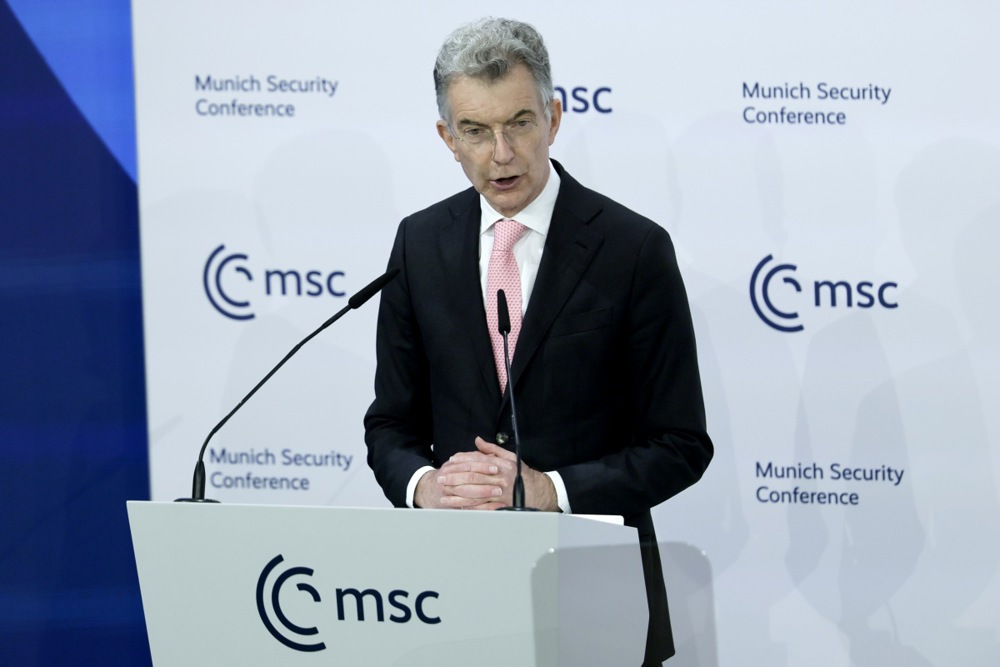
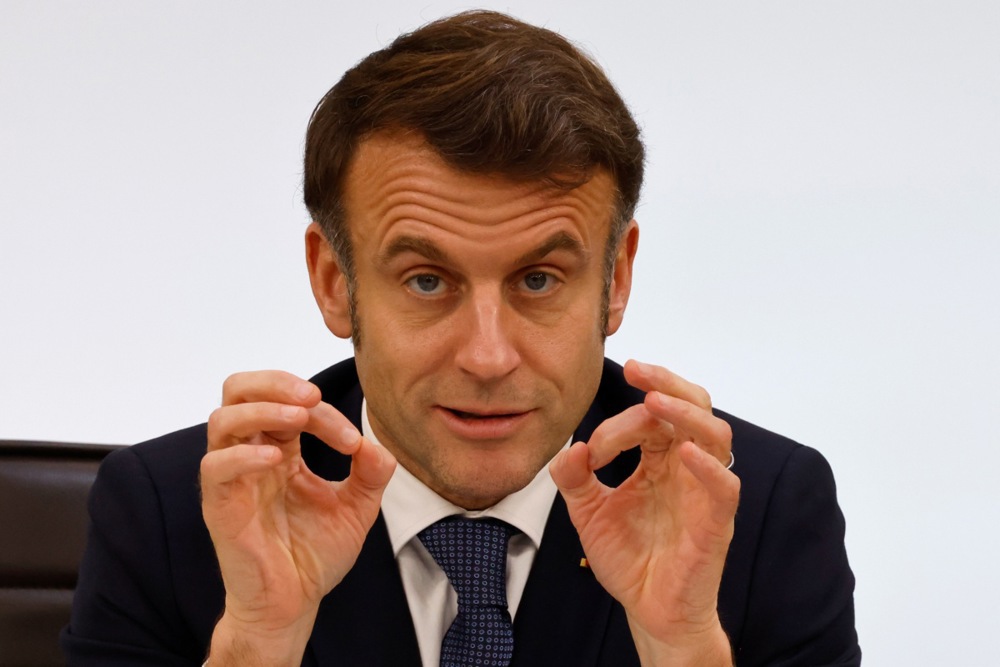
Alongside the proposed 100,000-strong force, which would draw on ideas previously floated by figures such as Angela Merkel, Emmanuel Macron, and Jean-Claude Juncker, Kubilius advocated the creation of a European Security Council.
This body, potentially comprising 10 to 12 members including key powers and possibly the UK, would include permanent and rotating seats to enable faster decision-making on defence matters.
He suggested its initial focus should include support for Ukraine.
The proposal revives decades-old discussions about a unified European military, which have repeatedly stalled due to member states’ reluctance to cede control over their national military.
Kubilius emphasised that the proposed force would not immediately supplant NATO but could serve as a European pillar capable of acting autonomously if needed.
The EC has not yet tabled formal legislation and any such initiative would require broad consensus among the 27 member states, potentially involving treaty changes.