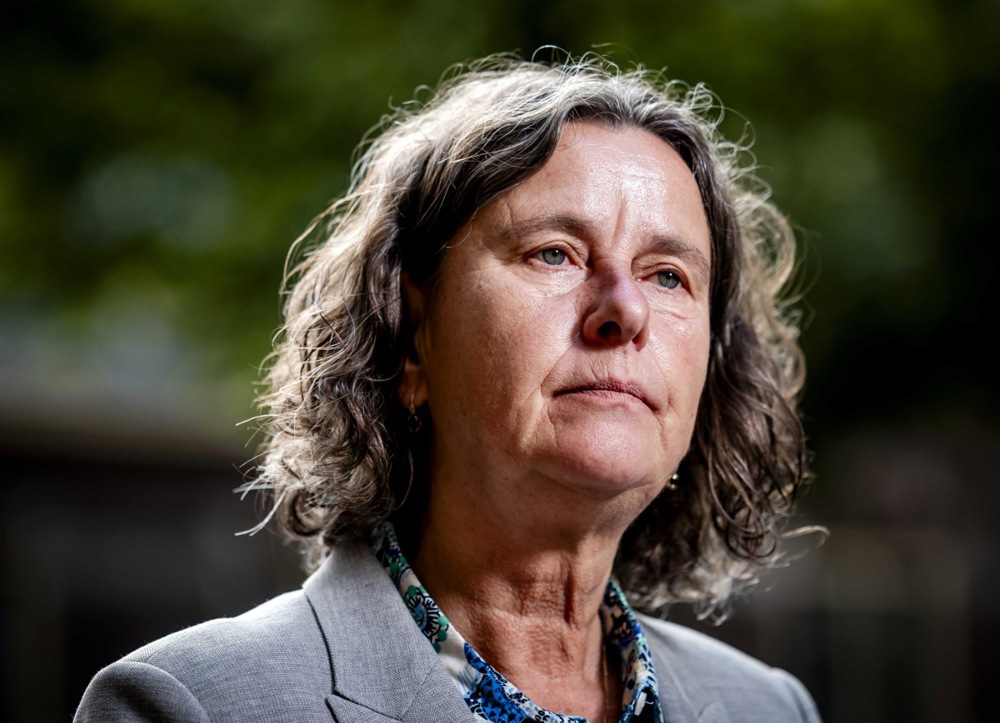
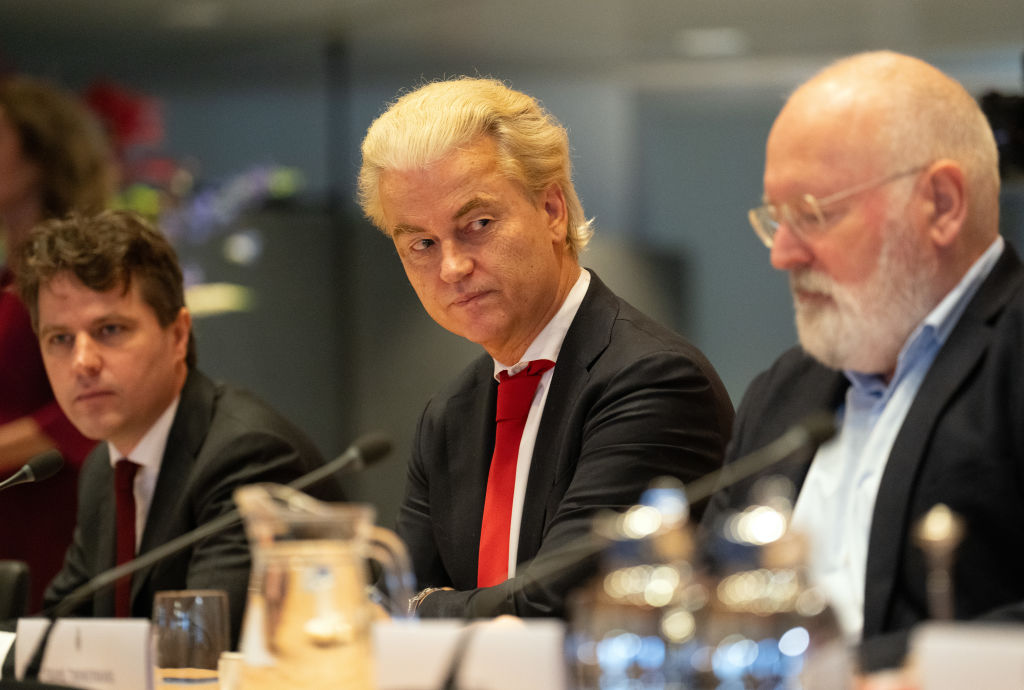
The Dutch Party for Freedom (PVV) has seen a sharp drop in the polls following internal turmoil, including the recent split where seven MPs broke away from leader Geert Wilders’ faction to form their own group.
The party won 26 seats in the October 2025 general election but has been trending downward since, with the defections amplifying the decline.
The split reduced the PVV’s parliamentary strength to 19 seats immediately, but voter support in opinion polls has fallen further.

Dutch pollster Peil.nl puts PVV at 17 seats, down nine from the election result.
This poll, conducted amid coalition talks – where the PVV is sidelined – but before the full split announcement, showed significant shifts to the right-wing Forum for Democracy (FVD) party, up to 14 seats from seven and some to the Conservative Liberals (JA21).
Pollster and entrepreneur Maurice De Hond noted PVV losing about 9 per cent of its voter base every four weeks in recent periods.
Earlier, Ipsos I&O estimated PVV at around 17 to 23 seats with a clear downward trajectory from earlier highs, while EenVandaag put them at 17.
According to Ipsos I&O, most voters who jump ship do so out of disappointment with PVV and being fed up with voting for a party unable to wield power and enact change.
Aggregated views indicate that PVV is hovering at 16 to 17 seats on average, a steep fall from 26.
Other right-wing parties such as FVD – gaining to 14-plus, according to De Hond – JA21, up slightly and minor flows to the Farmer–Citizen Movement (BBB) have benefited from disillusioned PVV voters.
FVD had a small rebrand after party leader Thierry Baudet made room for a new list leader, Lidewij de Vos, who has a more mild tone and is less inclined to make radical remarks. That came after Baudet made headlines on subjects such as the coronavirus, the Israel Lobby and the Ukraine war.
The PVV parliamentary defections stemmed from criticism of Wilders’ leadership style, the party’s lack of democratic structure, campaign handling – despite earlier high expectations – and recent electoral disappointments.
Some reports note that polls taken shortly before or around the split already reflected this unrest, with that likely to accelerate losses in subsequent surveys.
Wilders retains strong personal trust among core PVV voters at around 90 per cent in EenVandaag’s 20 January poll of past PVV supporters, with many opposing the split itself even while agreeing with some of the dissidents’ points.
While the broader trend points to fragmentation on the Right, the prospective coalition parties Democrats 66 (D66), the People’s Party for Freedom and Democracy (VVD) and Christian Democratic Appeal (CDA) are performing fairly steadily in the polls.
The left-liberal D66, which won the elections, is slightly up in the polls, while VVD and CDA are showing small losses.
Seven members of the Dutch Party for Freedom (PVV) parliamentary faction have risen up against leader Geert Wilders. https://t.co/qhsn3pPGT0
— Brussels Signal (@brusselssignal) January 20, 2026


Populism gains in The Netherlands, despite Wilders’ seeming failure