Irregular border crossings into the European Union have plummeted by more than half over the past two years, according to the latest figures from Frontex, the EU’s border and coast guard agency.
Preliminary data for 2025 show detections fell by 26 per cent from the previous year, reaching approximately 178,000, the lowest level since 2021 and less than half the total recorded in 2023.
This decline reflects a broader downward trend in irregular migration, driven by enhanced co-operation with third countries, stricter border controls and the impending full implementation of the EU “pact on migration and asylum” in June 2026.

One major driver of the change is the fall of the regime of Syrian dictator Bashar al-Assad, with the number of Syrian refugees dropping severely. At the same time countries have tightened their reception policies for people from Syria.
Frontex executive director Hans Leijtens cautioned that, while the trajectory is positive, vigilance remains essential.
“The trend is moving in the right direction, but risks do not disappear,” he said.
“This drop shows that co-operation can deliver results. It is not an invitation to relax. Our responsibility is to stay alert, support member states on the ground and ensure Europe is ready for new challenges at its borders.
“Staying prepared is about practical choices,” added Leijtens.
“It means officers on duty, assets ready, and close cooperation with national authorities and partners beyond the EU. That is how Frontex helps Europe stay ready for whatever comes next.”
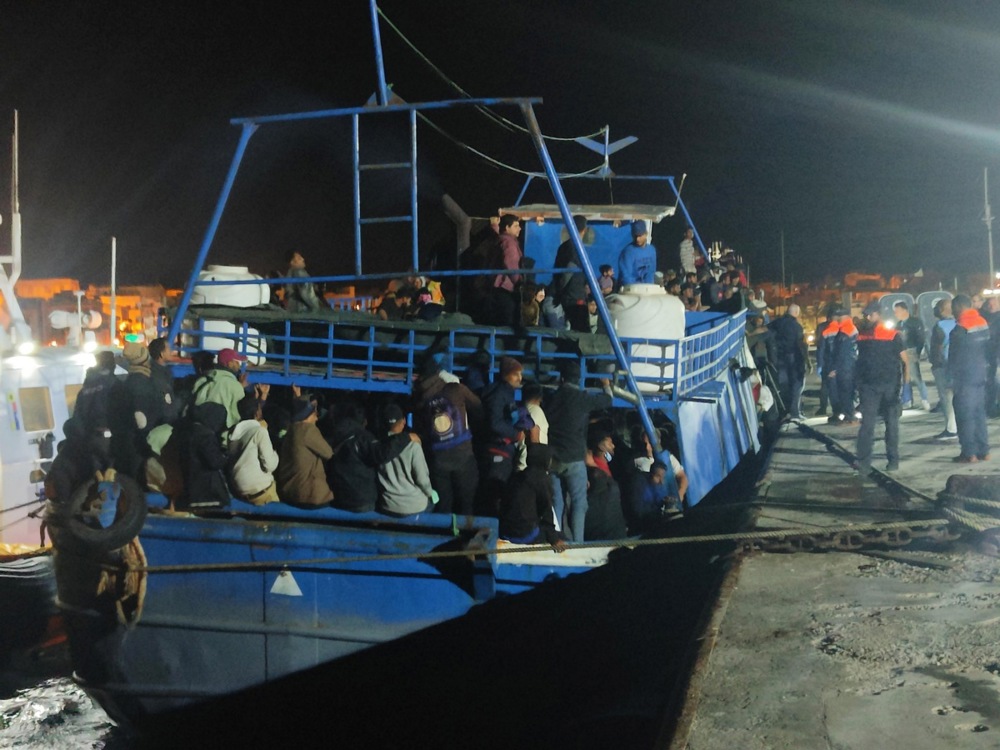
Separating the figures by route, the Central Mediterranean corridor – primarily affecting Italy – remained the most active, accounting for 37 per cent of all arrivals. Numbers detected on this route held steady compared to 2024; around 66,000 illegal migrants made the crossing there.
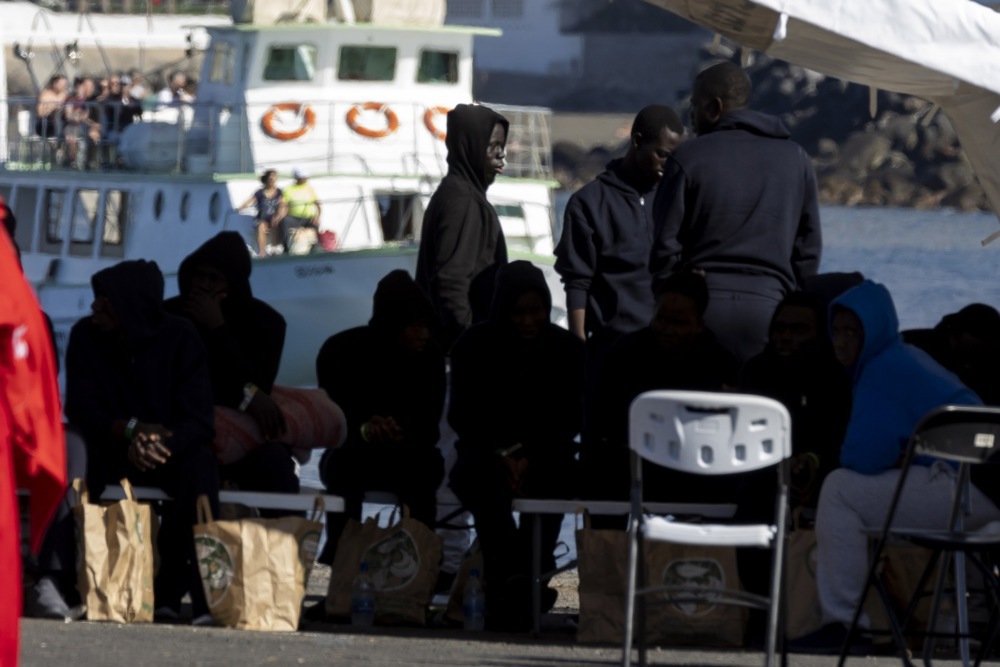
In contrast, the Western African route saw the sharpest drop, plunging by 63 per cent, thanks to intensified prevention efforts in countries of origin.
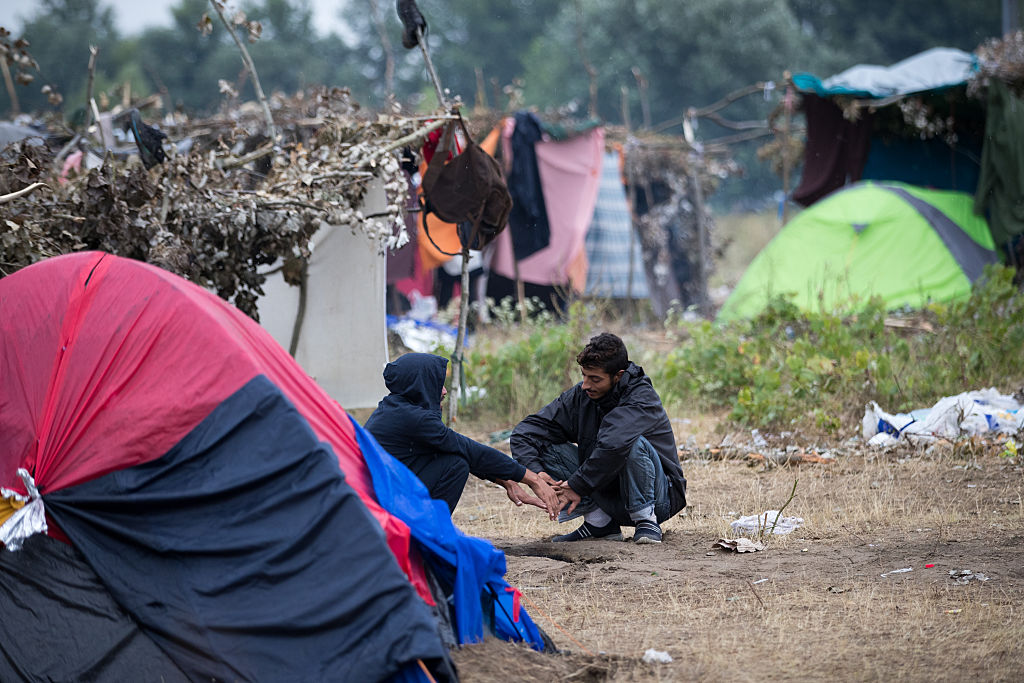
The western Balkans experienced a 46 per cent reduction amid tighter controls and Frontex operations, while the eastern Mediterranean route declined overall, although crossings from eastern Libya to Crete more than tripled.
📢 In 2025, the number of irregular border crossings to the EU dropped by 26% to 178 000, the lowest since 2021
📉 Western African route saw the biggest drop (-63%)
⚠️ Central Mediterranean was the busiest route, accounting for 37% of all arrivals👉For more insights, read our… pic.twitter.com/1W7wG4fTwA
— Frontex (@Frontex) January 15, 2026
Nationalities involved shifted as well, with Bangladeshis, Egyptians and Afghans among the most commonly detected in recent months.
The western Mediterranean route bucked the trend with a 22 per cent increase, largely due to departures from Algeria.
Analysts suggest the drop underscores the effectiveness of migration diplomacy but warn that external factors – from conflict in the Middle East to instability in Africa – could reverse gains without proactive measures.
Frontex anticipates that, barring major escalations, the downward momentum could continue into 2026, aligning with the bloc’s reformed asylum framework.
The agency predicts that 2026 “will be a pivotal year” for European border management.
This due to the fact that the EU pact on migration and asylum will become fully applicable in June, the most significant overhaul of the continent’s migration and asylum framework in decades.
The changes will align with updates to border procedures, notably the complete deployment of the entry/exit system (EES) and the scheduled introduction of the European travel information and authorisation system (ETIAS) later this year.
Spanish police are investigating more than 20 illegal immigrants over the deaths of more than 70 others reportedly accused of witchcraft. https://t.co/3gB1Y5R1wY
— Brussels Signal (@brusselssignal) September 3, 2025