Italian Prime Minister Giorgia Meloni has sharply criticised US President Donald Trump following remarks suggesting NATO allies “fell behind” or stayed “a little off the frontlines” during the war in Afghanistan.
Between 2001 and 2021, Italy deployed more than 50,000 troops to Afghanistan under the US-led coalition on rotational missions. Some 53 Italian soldiers were killed and more than 700 wounded, a toll that makes Trump’s remarks deeply offensive to many in Italy.
According to Meloni: “Friendship requires respect, a fundamental condition for maintaining the solidarity at the heart of the Atlantic Alliance,” a principle she said was weakened by statements such as Trump’s.

The President made the comments during a televised interview with Fox Business at the World Economic Forum in Davos, Switzerland, on January 22. In the interview, he questioned the reliability of NATO partners, saying that “we’ve never needed them” and implying that allied forces remained largely out of harm’s way.
“They sent some troops,” Trump added, “but they stayed a little back, a little off the front lines,” casting doubt on whether allies would stand with the US in a future conflict.
The remarks sparked immediate outrage across Europe.
Officials in the UK, Denmark and Norway described them as “insulting,” “unacceptable” and “disrespectful.” British Prime Minister Keir Starmer called the comments “insulting and frankly appalling”.
Among the strongest responses was that from Meloni, one of Washington’s closest European partners.
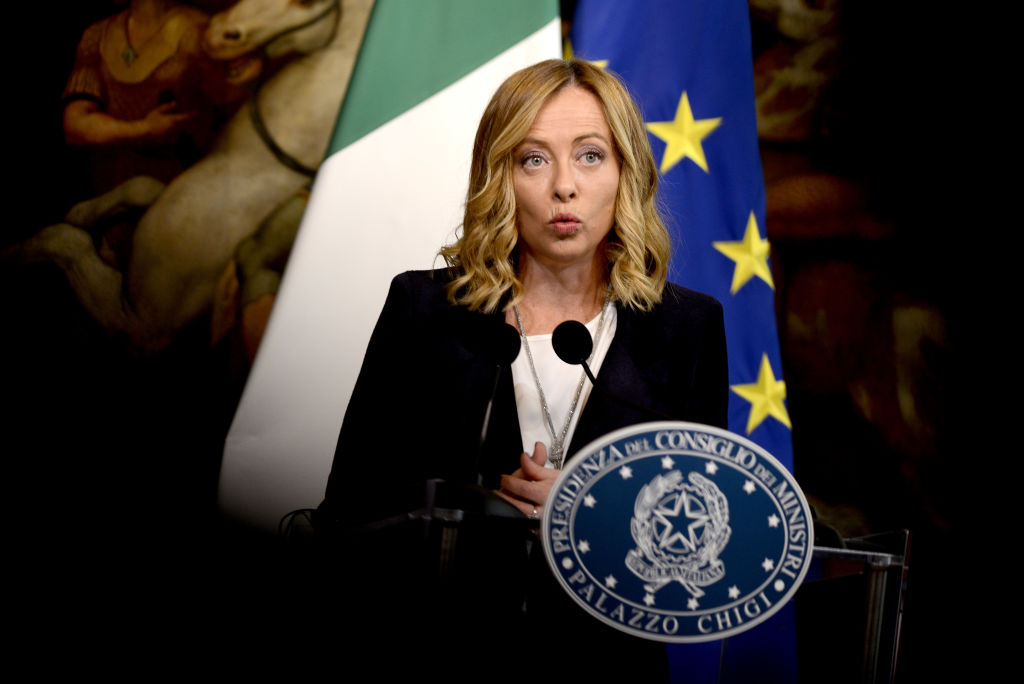
In a statement posted on X on January 24, she said the Italian Government had “learned with astonishment” of Trump’s claims.
“Over the course of nearly 20 years of commitment, our nation has borne a cost that cannot be questioned,” Meloni stated.
“Statements that minimise the contribution of NATO countries in Afghanistan are unacceptable, especially when they come from an allied nation,” she said.
While reaffirming the strength of Italy-US relations, Meloni made clear that partnership cannot survive without mutual respect.
Meloni’s reaction came within the context of sensitivities within the Italian armed forces and intelligence community, where some elements have long felt sidelined by the US.
It is not the first time that Italy’s participation in US-led missions has generated significant tensions.
A notable example occurred during the 2003 Iraq mission, when Italian secret agent Nicola Calipari was killed by US soldiers while in his car escorting journalist Giuliana Sgrena to safety following her release by Iraqi kidnappers.
The incident triggered a major diplomatic row between Rome and Washington, sparking intense debate over operational rules and the joint management of missions. It remains a symbol of transatlantic frictions in conflict zones.
While this episode never called into question Italy’s affiliation with the US or NATO, the treatment of Italian forces by Trump reopens long-standing wounds, compelling Meloni to take a firm stance in defence of the dignity and sacrifice of Italian troops.