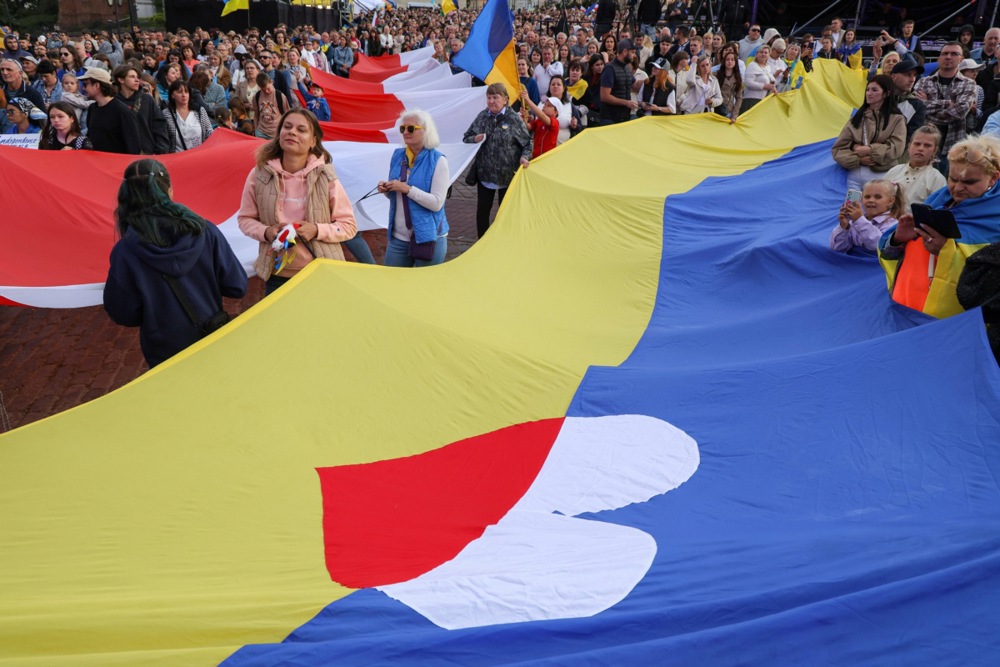
The Polish Government has prepared legislation to end special support for Ukrainian refugees put in place in 2022 following the onset of war with Russia.
In March 2022, Poland adopted measures to support Ukrainian refugees who were at the time entering Poland in huge numbers. Since then, the legislation has been repeatedly extended.
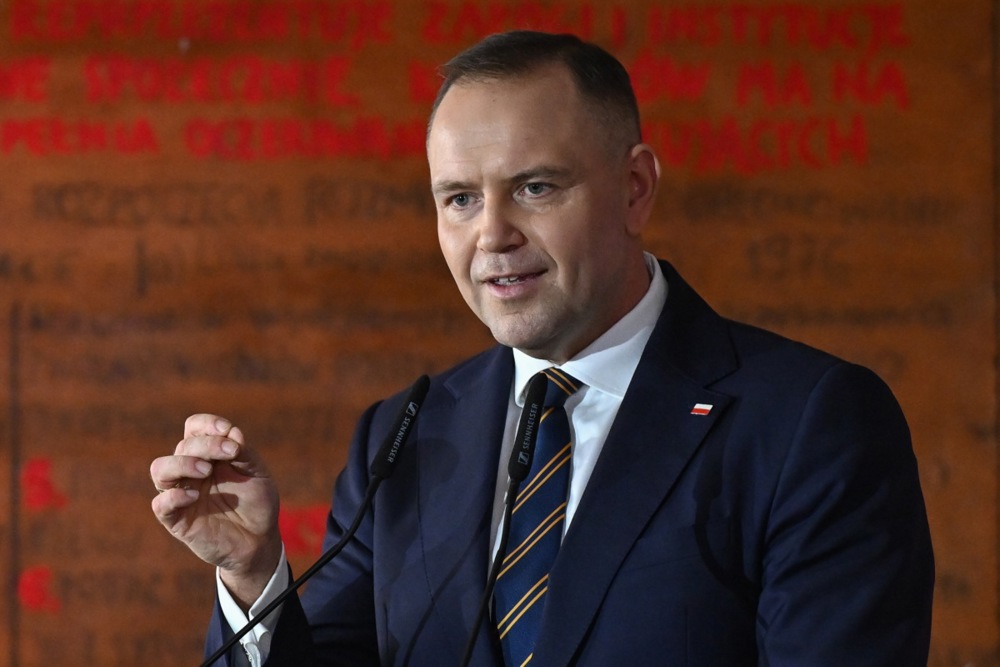
But last year the new President, Karol Nawrocki, who took office in August, said he would not approve another automatic extension of existing terms of support.

He argued that the existing conditions gave Ukrainians privileges not available to Poles and forced the government to make access to certain benefits to be conditional on employment in Poland.
The legislation, which the government is now presenting to parliament, would come into force in March this year and would be a systemic measure creating a single system for all refugees covered by temporary protection.
There would, for instance, be no automatic health and social insurance. That would be available for those taking up employment and therefore refugees without health and social insurance would be treated in the same manner that Poles who do not have such insurance are treated.
The only exceptions would be made for children, pregnant women, victims of violence and wounded military men. Provision of assistance with accommodation and food would be limited to vulnerable groups such as the elderly and the disabled, and Ukrainians will no longer be able to establish businesses under special rules.
Polish employer organisations have raised their concern that the government’s legislation may discourage employers from hiring Ukrainians. Until now, they were able to be employed under a simplified procedure. They currently account for two-thirds of all foreign workers in Poland.
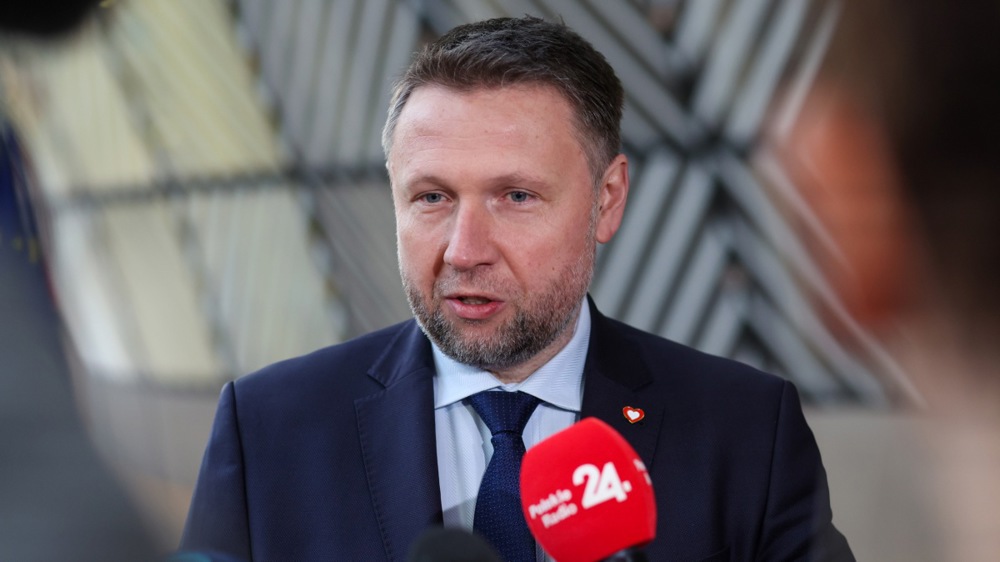
Adam Szłapka, the spokesman for the centre-left coalition government led by Prime Minister Donald Tusk said yesterday that the new government legislation was designed to move away from emergency support and towards what he called “systemic solutions”.
“After almost four years, the situation is more stable and we are no longer dealing with such a large wave of refugees,” said Szłapka, adding: “Most Ukrainians in Poland are working and their children are going to school, therefore we no longer need extraordinary measures.”
More than 2 million refugees from Ukraine arrived in Poland in the immediate aftermath of the war and around 1 million of them remain in the country today.
While the arrival of Ukrainian refugees prompted a mass outpouring of sympathy and support from Poles who hosted hundreds of thousands of refugees in their own homes, that sentiment has of late worn off.
The latest poll published earlier in January by state agency CBOS has shown the number of Poles opposed to accepting Ukrainian refugees as having risen to 46 per cent, the highest level recorded. Other polls have shown growth in a negative perception of the Ukrainian presence in Poland.
The right-wing Confederation of the Polish Crown party, campaigning to “stop the Ukrainisation of Poland”, is polling at around 10 per cent in opinion polls.
Analysts have pointed to stories about Ukrainians getting faster access to scarce health service resources and abuse of child benefit by Ukrainians who claimed it while their children were still living in Ukraine, as one of the reasons for the decline in sympathy.
Political spats over Ukrainian agricultural produce and Ukraine’s refusal to acknowledge the Second World War’s Volhynia ethnic cleansing of more than 100,000 Poles have also played a role.