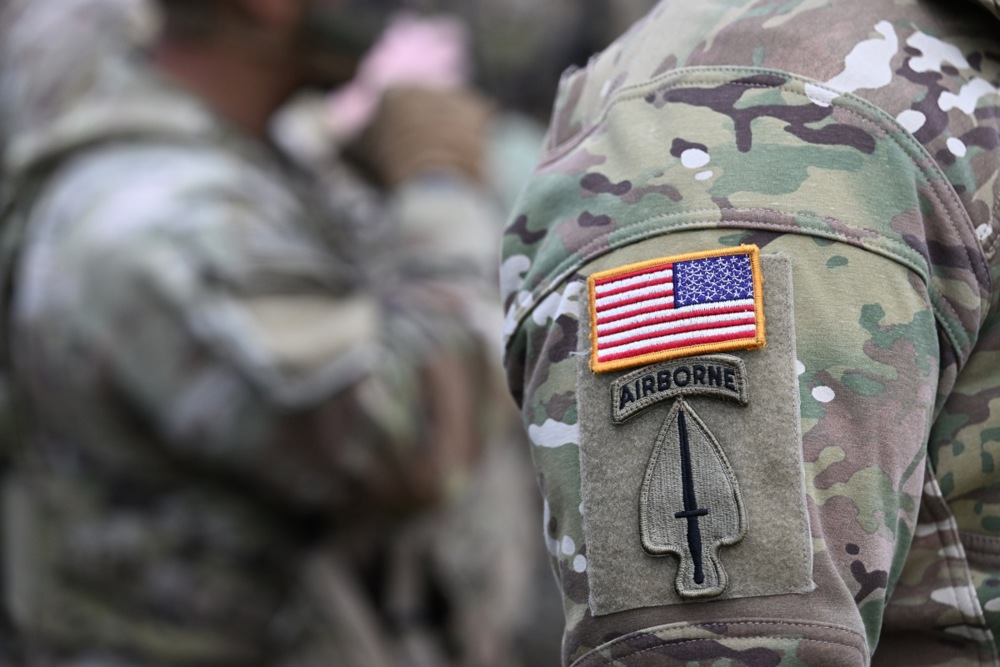
The US Government has formally notified European allies of its decision to eliminate approximately 200 personnel positions from several key NATO command centres.
The move, first reported by newspaper The Washington Post and confirmed by diplomatic sources today, marks a significant reduction in US participation within the alliance’s specialised military and intelligence planning hubs.
While the 200 roles represent a small fraction of the approximately 80,000 US troops currently stationed in Europe, officials note that the affected units currently house only about 400 US staff in total.

This means the US presence in these specific “nerve centres” will effectively be halved.
According to Pentagon officials, the reduction will not involve an immediate withdrawal of service personnel.
Instead, the US will implement a policy of natural attrition, declining to “backfill” or replace staff as their current assignments conclude.
This process is expected to take place over the next several months to years.
The cuts are specifically targeted at high-level operational bodies rather than general troop deployments.
The primary entities affected include the Allied Special Operations Forces Command in Brussels, Belgium, the UK-based Intelligence Fusion Centre, STRIKFORNATO in Portugal, which oversees maritime strike operations and nearly 30 specialised training units via the NATO Centres of Excellence.
The decision is characterised as part of a broader strategic review by the administration of US President Donald Trump.
Official documents and internal briefings indicate a desire to redirect military and intelligence assets toward the western hemisphere and the Arctic.
Furthermore, in December last year, the Pentagon established a directive for European allies to assume primary responsibility for the alliance’s “conventional defence capabilities” — ranging from intelligence gathering to missile defence systems — by a firm 2027 deadline.
This restructuring aligns with the administration’s “America First” policy, which seeks to reduce the financial and logistical burden of European security on US taxpayers.
The announcement comes at a period of acute tension between Washington and Brussels.
Trump recently shared social media posts characterising NATO as a “threat” to US interests, while framing Russia and China as secondary concerns.
Some European diplomats have expressed significant alarm, linking the personnel cuts to the ongoing dispute over Greenland.
There is concern in Copenhagen and Brussels that the US is utilising its military posture as leverage to pressure Denmark into a territorial transfer.
For years, conservative voices in Washington have argued that the US military is overextended, acting as a free security guard for wealthy European nations.
“The Europeans have been spending the money on social welfare, on roads, on education, and it’s time for them to pay more,” US Treasury Secretary Scott Bessent said at Davos yesterday.
Critics within the US Congress and former military leaders have also warned of a “brain drain”, arguing that the loss of US operational expertise in special operations and intelligence fusion will weaken the alliance’s ability to respond to hybrid threats.
Conversely, a NATO spokesperson sought to temper the mood, stating that such staffing adjustments are “not unusual” and that the overall US commitment to European deterrence remains robust.
Several European NATO allies have promised to send troops and materiel to Greenland in response to heightened US pressure. https://t.co/LZ0TmOfoH5
— Brussels Signal (@brusselssignal) January 15, 2026