French people are increasingly turning their back on French politicians, having a very negative view on both politics and the government.
According to the latest publication of the Political Trust Barometer by the Centre for Political Research at Sciences Po (CEVIPOF) yesterday, only 22 per cent of French people say they have confidence in politics.
Actors in the national political space, parties, elected officials, and media are very much perceived in a negative way.

Trust in them is the lowest since the inception of CEVIPOF in 2009.
Local operators and institutions connected to public security and care, such as the police, the army, hospitals and social security, are a lot more popular and respected.
Worst of all are political parties, with only 15 per cent of French people saying they trust them.
This extremely low level contrasts with the trust placed in local elected officials, since mayors receive 60 per cent of trust, CEVIPOF noted.
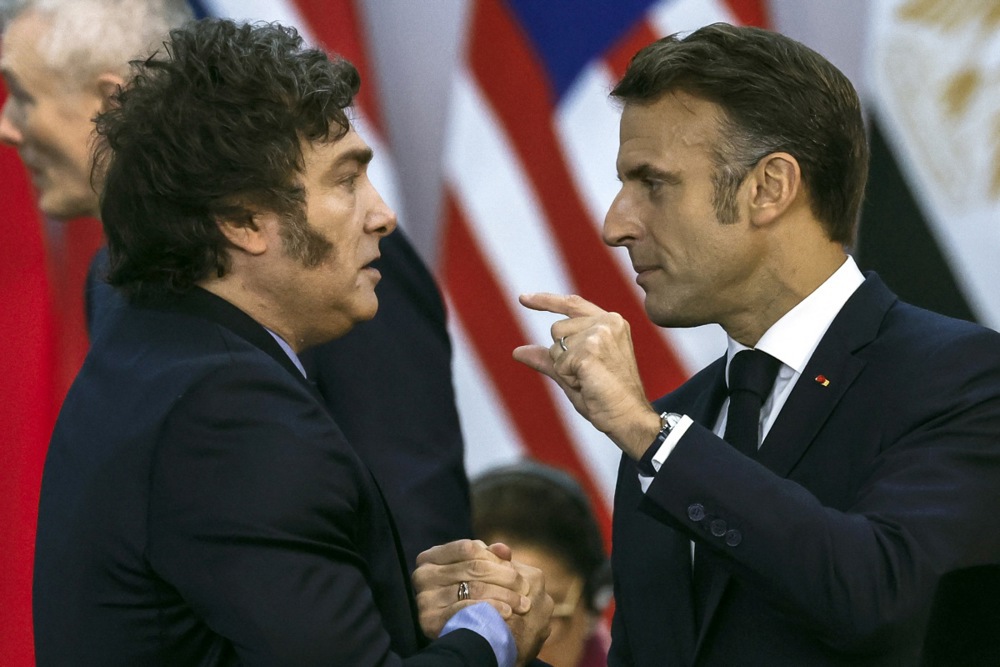
French President Emmanuel Macron is trusted by just 18 per cent of the population, down from 23 per cent last year.
The National Assembly fares little better, with only 20 per cent of people having confidence in the institution, four points down from last year.
Now, just over half of the French (51 per cent) believe there is nothing to be proud of in the democratic system, numbers that are much higher than in Italy, Germany or the UK.
Only 20 per cent of French people consider that politicians are trying to keep their promises, again way lower than in Italy, Germany or the UK.
Some 53 per cent believe experts, not elected officials, should decide what’s best for the country; 43 per cent think democracy is inefficient and that less democracy and more efficiency are needed; 36 per cent want a “strongman” who does not have to answer to parliament or elections; and 20 per cent even support military rule.
In France, 80 per cent of those surveyed believe that the current government is “flying by the seat of its pants”.
Political accountability is seen as severely lacking, with 88 per cent of French people stating to feel that when elected officials fail, they do not take responsibility for their actions.
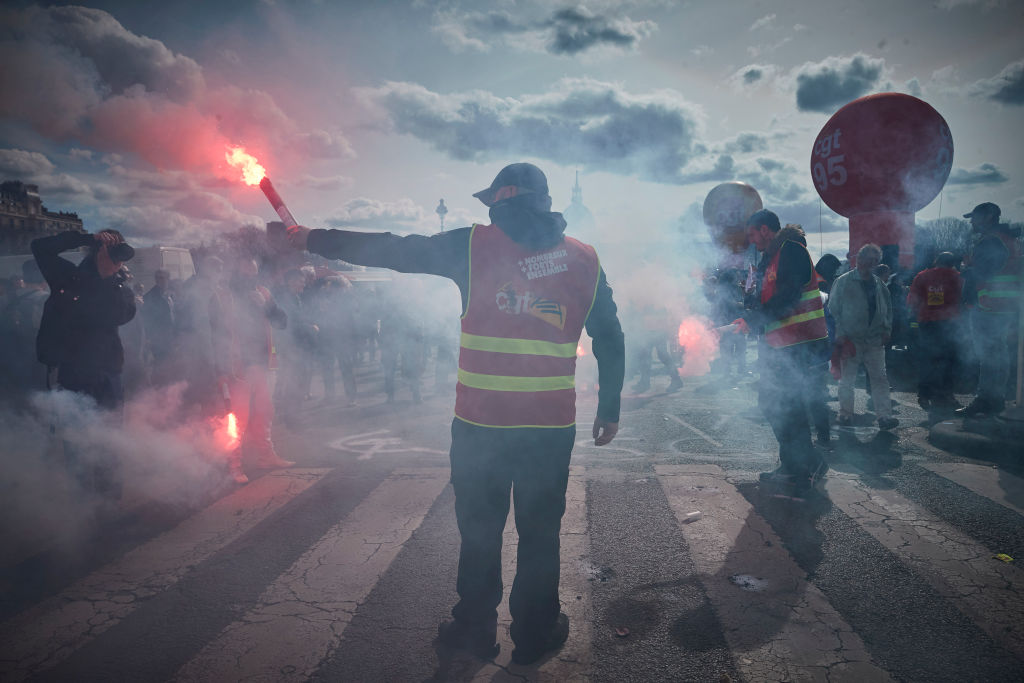
Other national groups with low confidence numbers are trade unions, with only 37 per cent, and the media, with only 29 per cent.
French President Emmanuel Macron has floated the idea of creating an official media “label”, claiming it would identify “trustworthy” journalism and help fight online “misinformation”. https://t.co/LPmpKt9bAg
— Brussels Signal (@brusselssignal) December 1, 2025
High confidence is given by the French to hospitals (79 per cent), the military police (77 per cent), the army, (75 per cent), police (73 per cent) and social security (68 per cent).
Despite the low trust in democracy as it is functioning in France, the French do like the principle, with 82 per cent of respondents saying they are attached to it.
“The French express a very strong expectation of new democratic mechanisms based on citizen participation and direct decision-making”, CEVIPOF notes.
For example, 79 per cent of French people would like to see more frequent use of referendums to decide on laws or public policies, while 77 per cent are in favour of organising citizens’ conventions and 79 per cent want the proposals resulting from these conventions to be put to a referendum.
Since the 2024 European Parliament elections, where Macron’s centrists were crushed by Marine Le Pen’s National Rally, he called snap legislative elections hoping for a rally-around-the-flag boost. Instead, the vote produced a hung parliament with no majority.
This sparked ongoing instability, with a string of fragile minority governments facing repeated no-confidence threats.
Macron has struggled to pass key measures, for example to balance the budget and a moderate pension reform.
The result has severely weakened his authority, stalled his reform agenda and deepened France’s political crisis as his term nears its 2027 end.
All this appears to have contributed significantly to the negative perception of national politics in France.
Researchers said the results, combining the belief in democracy with distrust in the current affairs are “a clear call for a ‘democratic reset'”.
They point towards referendums and citizens’ conventions, because citizens seek to complement and correct representative democracy, not replace it.
French former senator Joël Guerriau has been convicted of drugging a female MP with ecstasy, intending to sexually assault or rape her. https://t.co/CmVyTW5CtB
— Brussels Signal (@brusselssignal) January 28, 2026