The head of the International Energy Agency (IEA) has called Germany’s decision to abandon its nuclear power plants a “historic mistake”.
In an interview with newspaper Welt today, IEA director Fatih Birol said: “Germany is the country of [philosophers] Kant and Leibniz, a country of reason. That is why I would have expected Germany to be especially rational when it comes to energy policy.
“Instead, the country committed two historic errors: excessive dependence on a single supplier, Russia, and the exit from nuclear power. Both have undermined competitiveness and energy security.”

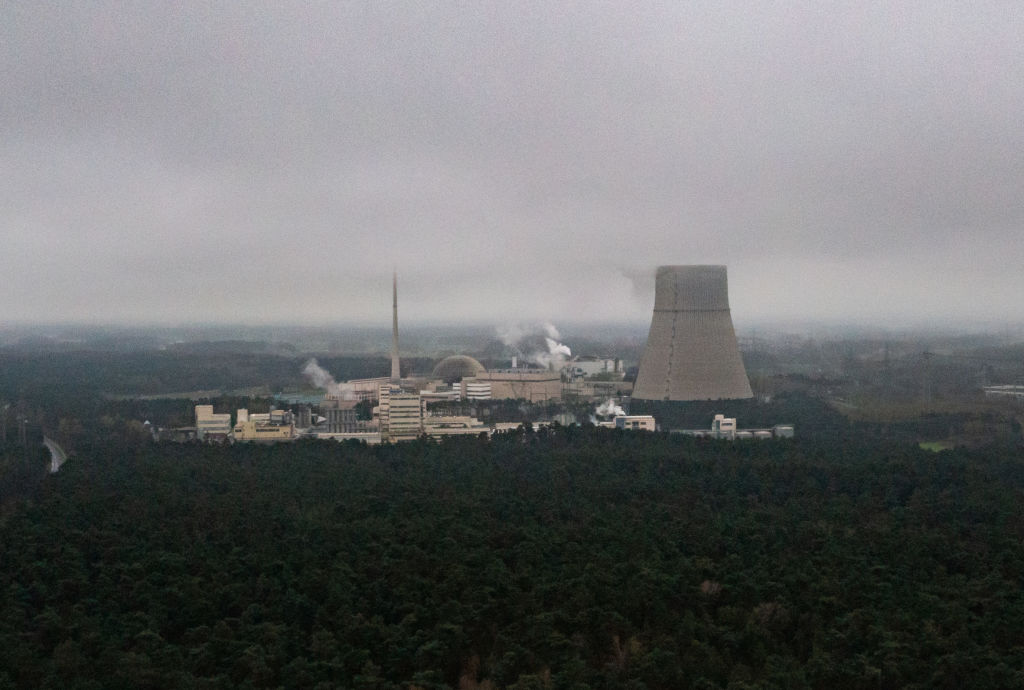
Germany decided in 2011, under then-chancellor Angela Merkel, to phase out all of its nuclear power plants by the end of 2022. After a last-minute extension due to the surge in energy prices following the Russian invasion of Ukraine in February 2022, the last three German nuclear plants went offline in April 2023.
Since then, the country groans under sky-high electricity prices. According to Eurostat, electricity prices for household consumers in Germany were the highest in the entire European Union in the first half of 2025. Non-household consumers such as business pay the fifth-highest prices.
Birol, nevertheless, hopes that Germany will manage to return to what he termed “sanity”.
The 67-year-old energy expert said he had been “very happy” to hear current Chancellor Friedrich Merz calling the nuclear phase-out a grave strategic mistake recently.
“I was very happy for two reasons. First, I have been saying for years that the phase-out was a mistake and have been criticised a lot for it. That is why it is important to recognise the error publicly.
“Second, I now have the faith that German energy policy will once more move in a safer and more reasonable direction.”
Birol added that nuclear power was experiencing a strong comeback globally: “The first driver is security: ever more countries want to generate as much electricity as possible domestically. The second driver is the increasing demand for electricity due to AI, cooling, and electrical vehicles.
“The electricity cost of nuclear power is not too different from gas-fired power plants, but nuclear power has a decisive advantage: security of supply. You press a button and the electricity is there. Almost all the world is betting on nuclear. That should really make the Germans think,” Birol concluded.
Last year was a record year for nuclear energy with total generation reaching an all-time high of 2,860 TWh (million kilowatt-hours) in Europe, according to the IEA.
The IEA is an intergovernmental organisation that provides analysis, data and policy recommendations for the energy sector.
Germany is one of 32 (primarily western) member states which – together with 17 association countries – account for 80 per cent of global energy consumption.