Hungarian Prime Minister Viktor Orbán has accused Ukraine of deliberately targeting the Druzhba oil pipeline to interfere in Hungary’s upcoming April elections
The PM claims Kyiv aims to install a more compliant government in Budapest by disrupting energy supplies and driving up fuel prices.
The allegations come amid escalating tensions, with Budapest linking its veto on new European Union sanctions against Russia to the resumption of oil flows, even as evidence points to an initial Russian strike causing the outage.

Orbán, facing polls showing his Fidesz party trailing challengers, described the pipeline disruption as an “unprovoked act of hostility” in a letter to European Council President António Costa, vowing to block a €90 billion EU loan for Ukraine until supplies resume.
Hungarian foreign minister Péter Szijjártó echoed this, stating on social media that Ukrainian President Volodymyr Zelenskyy has halted oil deliveries “for political reasons” to jeopardise Hungary’s energy security ahead of the vote, despite “no technical obstacles” to restarting flows.
Gladden Pappin, president of the Hungarian Institute of International Affairs, told Brussels Signal, that “Budapest has concluded that the nonrenewal of transit is now a political action, not a technical blockage.”
“With the addition of Ukrainian strikes on the Kaleykino station in Russia yesterday (which Ukrainian reports have confirmed), Hungarian officials have concluded that President Zelensky was serious in September 2025 when he called strikes “sanctions” against Hungary.”
Slovak Prime Minister Robert Fico has similarly expressed doubts over who bombed the pipeline. He has suggested the disruption is being used as “political blackmail” to pressure Hungary and Slovakia into supporting Ukraine’s EU membership.
Yesterday, Fico announced the suspension of emergency electricity supplies to Kyiv, calling it the “first reciprocal step” if the oil transit issue persists.
The same observation, that Ukraine might have intentionally blown up the pipeline to influence events in Hungary, has been made by intellectuals, journalists and politicians across Europe.
The Ukrainians have blown up the Druzhba pipeline. They have done this in the hope that it will wreck the Hungarian economy in the run-up to the election. The European “liberals” have become addicted to violence to get their way. Opposition puppet @magyarpeterMP is silent. 🤐 https://t.co/r15T0of8FB
— Philip Pilkington (@philippilk) February 23, 2026
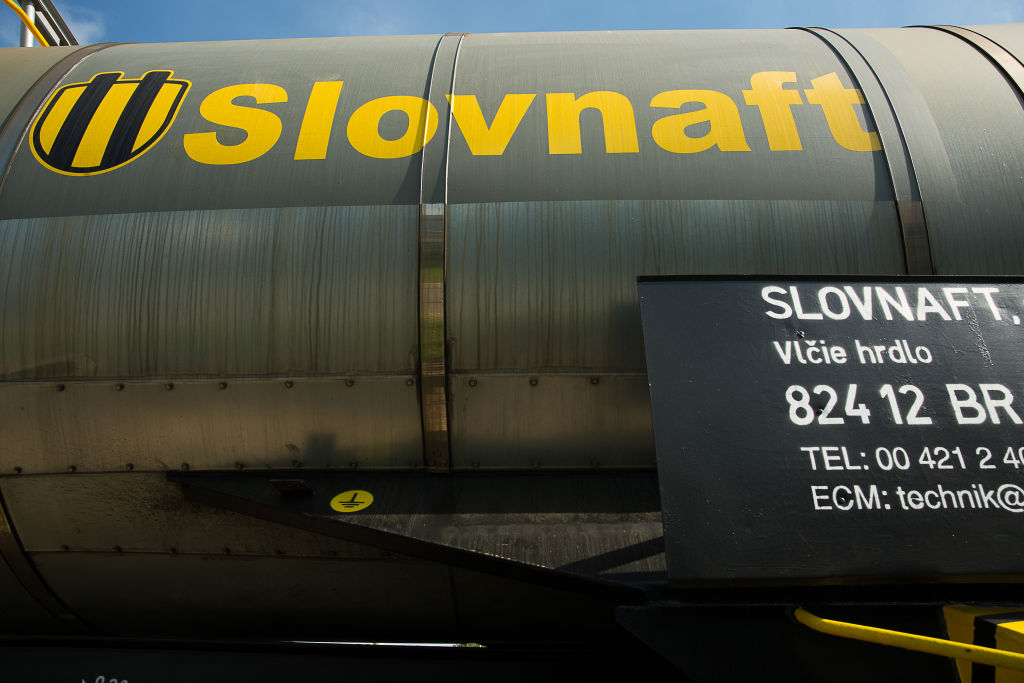
The Druzhba pipeline, which carries Russian crude through Ukraine to Hungary and Slovakia, has been offline since January 27 following what Kyiv described as a Russian drone strike on the Brody pumping station in western Ukraine.
According to Pappin, “The EU and Ukraine know that rock-bottom household energy prices, the bedrock of Hungary’s economy, come from its access to inexpensive Russian piped gas.”
“With Hungary’s election looming on April 12, the EU and Ukraine are conspiring to try to goose energy prices. But their actions—which the opposition candidate, Péter Magyar, has been silent on—just show that only Prime Minister Orbán can stand up for Hungary’s energy sovereignty.”
Ukrainian foreign Minister Andrii Sybiha released photos of the burning infrastructure, urging Hungary to direct complaints to Moscow and criticising Budapest’s failure to protest against Russia’s actions.
Kyiv insists the aggression from Russia is the root cause, noting Hungary’s reluctance to diversify away from Moscow-dependent supplies.
Tensions intensified overnight on February 22-23 when Ukrainian drones struck a pumping station in Russia’s Bryansk region, sparking a fire and further disrupting operations.
Kyiv confirmed the attack, which it said targeted facilities supporting the pipeline, but denied any intent to politicise the outage.
Hungary and Slovakia, though, intensified accusations towards Ukraine of exploiting the situation rather than expediting repairs on its territory.
EU foreign ministers met in Brussels yesterday but failed to agree on the 20th sanctions package, which includes a ban on shipping services for Russian crude, due to Hungary’s veto.
EU High Representative Kaja Kallas called the deadlock “regrettable”, emphasising that work continues.
Other leaders expressed outrage: German foreign minister Johann Wadephul termed Hungary’s stance “astonishing,” while Polish foreign minister Radosław Sikorski called it “shocking”.
Ukraine’s foreign ministry condemned the threats from Budapest and Bratislava as “ultimatums and blackmail”, urging them to address grievances with the Kremlin instead.
In retaliation, Hungary has halted diesel exports to Ukraine.
Pappin stressed that Hungary has gone along with all nineteen prior EU sanctions packages against Russia—in exchange for its necessary exemption on Russian piped crude.
“But if the EU and Ukraine conspired to block that shipment, then there is no deal. By its own treaties, the EU first has to defend its own members’ interests—yet today’s Brussels elites are more invested in the perpetuation of the Ukraine war than in seeking peace. Brussels will happily sacrifice its own member states on the altar of perpetual war. ”
He also added that Since 2010, Hungary’s Fidesz government has rebuilt Hungarian energy sovereignty, including with long-term gas contracts with Russia and has been working to create pipeline resiliency.
“Though pipeline dependencies cannot be changed overnight, Hungary has steadily moved toward further energy sovereignty, particularly in the nuclear and renewable category.”
The EU’s top diplomat said she did not expect to get a deal on new Russia sanctions Monday after Hungary vowed to block them unless Ukraine re-opens a key oil pipeline. https://t.co/lvQJw0jYVF
— Brussels Signal (@brusselssignal) February 23, 2026
This story has been updated to include quotes from the Hungarian Institute of International Affairs.