United States Secretary of State Marco Rubio and German Chancellor Friedrich Merz each gave memorable speeches at this year’s Munich Security Conference, laying out their visions for European security. Taken together, they show that a renewed transatlantic partnership is possible, but only if both sides of the ocean recognise their interests overlap rather than coincide.
Rubio’s words were well received by the mainly European audience. Last year’s shockingly direct presentation by Vice President JD Vance, coupled with a National Security Statement that was disdainful of and derisory toward Europe, made many wonder whether Rubio would deliver yet another hostile rebuke. The fact that Rubio praised the common heritage that the United States and Europe share went a long way to merit the standing ovation he received.
His underlying message was nonetheless clear, even if delivered in a friendly tone. America wants its allies to make the economic and political sacrifice necessary to take the primary lead in their own self-defence, and no amount of shared heritage or values will deter it from pursuing that goal. Nor will America stand idly by if it sees European countries turn away from its historic principles, either out of fear of the future or fear of its own immigrant population.

Shape up or we’ll ship out: That was Rubio’s message for Europe.
Merz seems to understand that position and presents Germany as willing to change to meet the times. He has staked his Chancellorship on leading rapid rearmament and economic renewal, and his speech reiterated his commitment to that challenge.
He nonetheless is a European conservative, not an American one, and as such is not yet willing to embrace the American Right’s focus on cultural renewal and rejection of climate change. Merz thus presents Germany’s attempt at transformation as one of recognition that America and Europe have become too different to be joined at the hip. Hence the German transformation is one geared as much to allow Europe, should other large nations follow suit, slowly to wean itself off the American gravy train and stand on its own.
Both speeches would imply that the transatlantic alliance exists on borrowed time. Europe will not change enough, quickly enough, for the American Right, and even the American Left is no longer as enamoured of the old continent endlessly to subsidise it.
President Joe Biden is probably the last president whose foreign policy worldview will have been shaped by the Atlantic-centric world of the immediate post-World War II era. Yet even he signed laws that favoured American producers over European ones when it came to financing re-industrialisation and a Green New Deal. California Governor Gavin Newsom has spent his entire life in a state bordering the Pacific, while Rep. Alexandria Ocasio-Cortez is clearly more interested in redressing colonialism’s alleged maladies in the global south than protecting the former colonial masters.
These facts and disposition nonetheless do not require a rapid divorce. Rubio recognises that Europe even in its less-than-ideal state provides global economic and military heft to American power. Merz understands that Europe needs America’s markets and military for the foreseeable future. These beliefs permit the estranged partners both to stay together and improve their relationship, provided each understands how the other’s needs and societies have changed in recent decades.
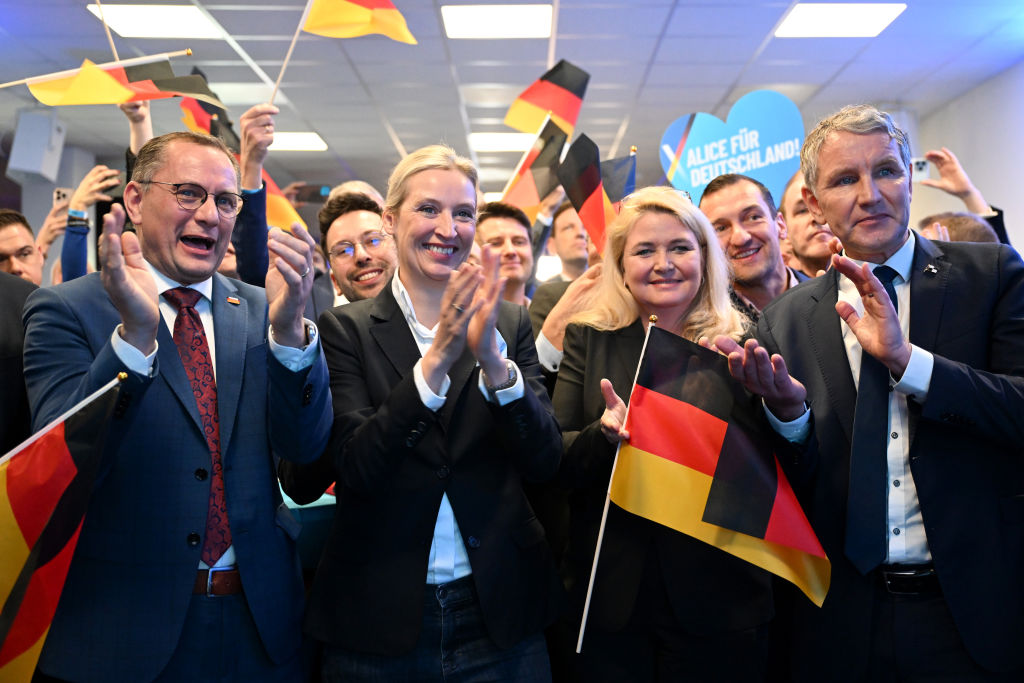
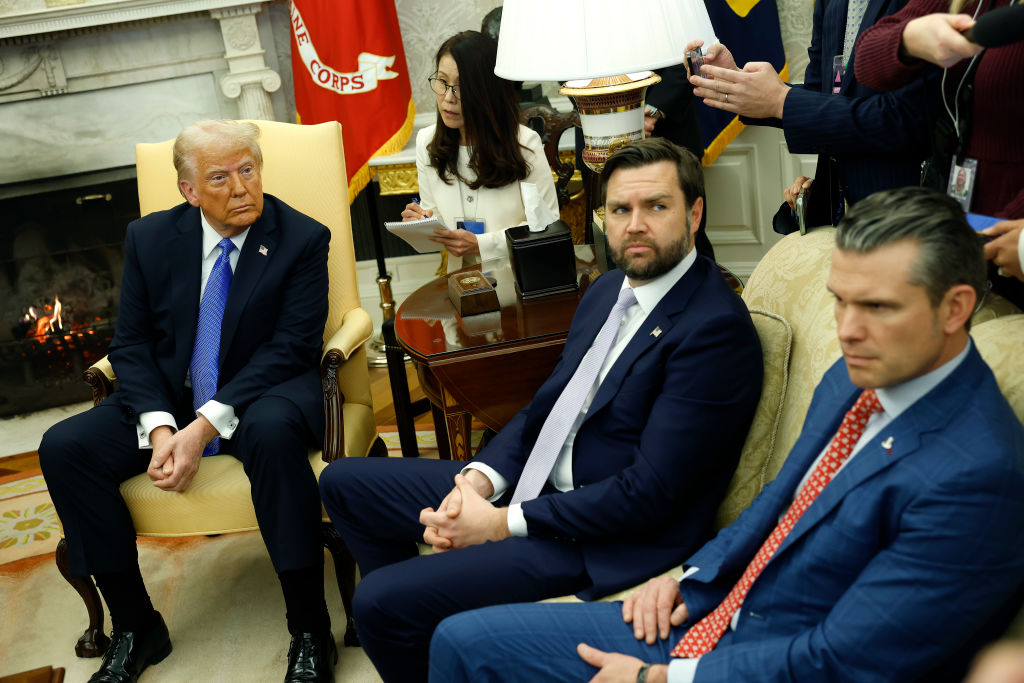
Europe’s elites must understand that America’s conservatives are now dominated by people who fear their way of life is under implacable assault. America remains a more traditionally religious nation than almost any other in Europe, and most of those religious Americans see a culture that seems to have little place for them. Thus the fears about free speech, secularism, and immigration, and the Right’s affinity for Europe’s populist Right.
Europe’s elites have long indulged themselves in showing a barely concealed dislike of this tendency, and thus a clear preference for America’s Left, which is similar in many ways to Europe’s centrist consensus. The fact that America’s Right now has similar but opposite views comes as a shock but is no different in kind from what American conservatives have long experienced from Europeans.
American conservatives like Ronald Reagan and George W. Bush learned to overlook this and concentrate on shared values rather than pick at differences. Europeans will now have to adopt the same attitude toward America if it wishes to remain fruitfully engaged.
American conservatives also have to avoid trying to Americanise Europe. Europeans have always accepted a larger role for the state in the economy and society, and many of the American conservative critiques of European mores fail to appreciate that. A culture that has long taxed its motorists to discourage the consumption of petrol is not going to embrace America’s love of oil and big cars no matter how much President Trump gushes.
Both America and Europe mistakenly turned toward a romantically sentimental view of global affairs in the heady days after the fall of the Berlin Wall. Both now seem to recognise that interest and power, informed by principles but shorn of mere sentiment, is the enduring basis for freedom and geopolitics. Both must now avoid replacing optimistic bonhomie with its pessimistic version when evaluating the other. Both will emerge stronger, and perhaps even understand each other better, if they follow Rubio and Merz’s cautious re-engagement rather than indulge their hurt feelings.


US sees Europe as a continent that opposes everything they hold dear