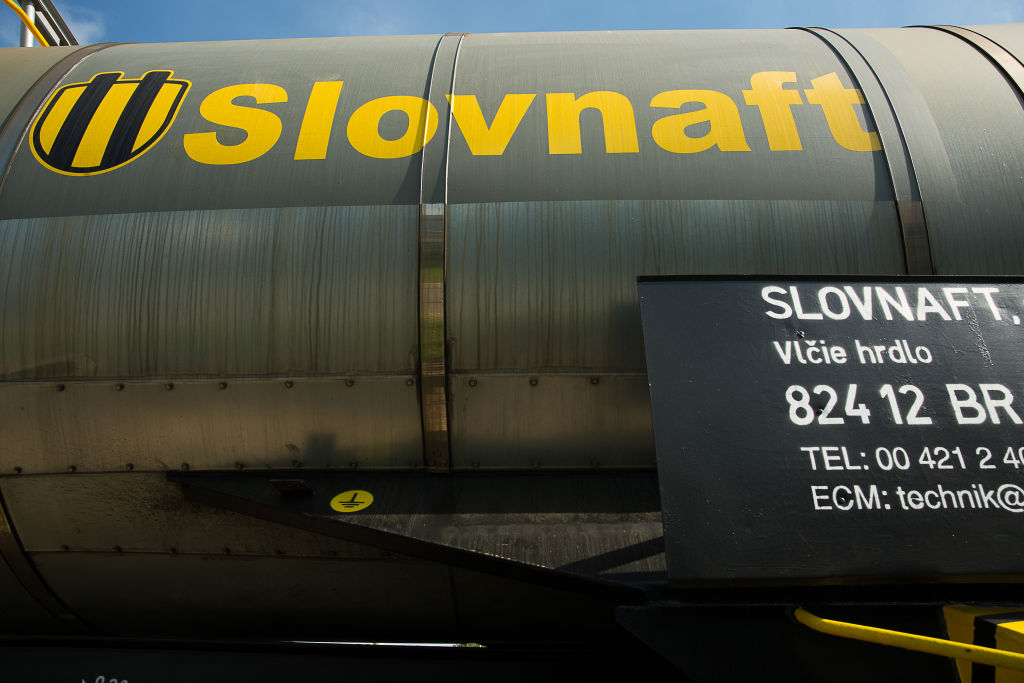
Slovakia’s prime minister today threatened to cut emergency electricity supplies to Ukraine if its neighbour does not reopen a pipeline that brings Russian oil to Slovakia and Hungary.
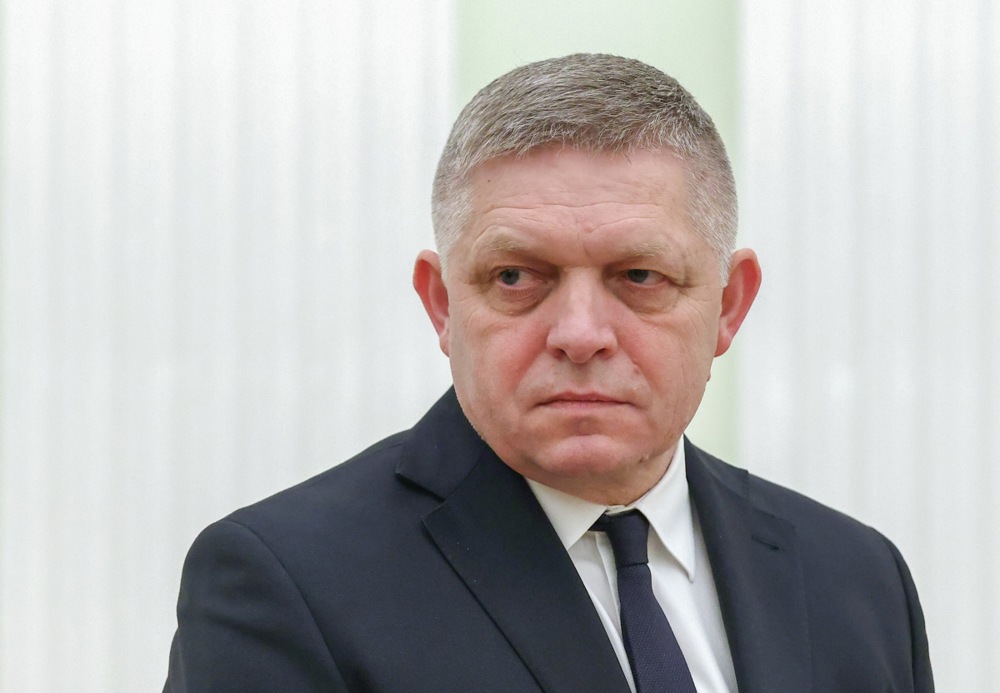
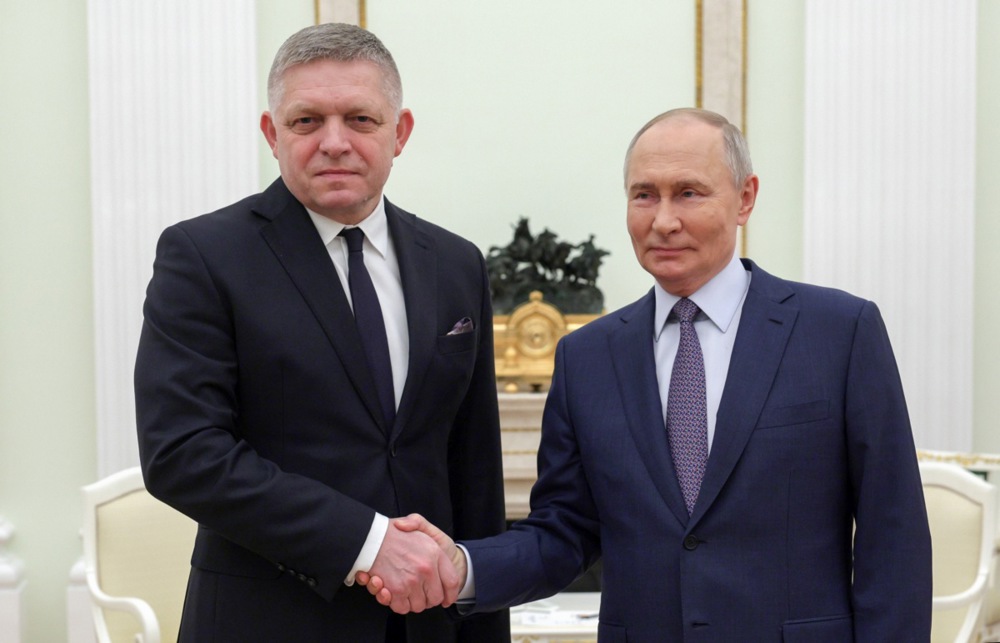
Prime Minister Robert Fico, who along with Hungary has remained close to Russia since its 2022 invasion of Ukraine, declared a state of emergency over oil supplies and told a press conference he had ordered the release of 250,000 tonnes of oil from emergency reserves.
Ukrainian authorities say the Druzhba pipeline, which runs from Russia through its territory to Slovakia and Hungary, was shut down after being damaged during a Russian attack near the Ukrainian city of Brody.

Fico, quoting Slovak intelligence, said the repair work had been finished. He accused Ukraine of blocking supplies as a “blackmail” weapon against Hungary, which opposes Ukraine joining the European Union.
Hungary’s Prime Minister Viktor Orban also accused Ukraine of “blackmail” in a social media post Wednesday.
Fico threatened to end electricity supplies to Ukraine when it needs emergency supplies after Russian attacks on its power stations.
“If the president (Volodymyr Zelensky) believes these supplies are not important, we can decide to withdraw from the electricity supply accord,” Fico said.
Slovakia’s ambassador in Ukraine had handed over an official note demanding an explanation for the cut in oil supplies, Fico added. The prime minister said he would ask the European Union’s executive arm to look into the case.
Orban said in his social media post that Hungary and Slovakia had requested that Croatia allow the supply of Russian oil through its Adria pipeline.
But Fico said there were “two problems” with this solution as the Adria pipeline’s capacity had never been tested and the cost could be five times higher than for the Druzhba pipeline.
The European Commission said on Febeurayr 17 it was in contact with all sides in the dispute and was ready to hold a meeting of its emergency oil supply coordination group. But it said there was no immediate risk as Hungary and Slovakia each have at least 90 days of emergency reserves.