A cultural controversy in Italy over Russia’s return to the Venice Biennale, an international cultural exhibition, has sparked a political clash between European institutions and the exhibition’s leadership.
The leadership are closely linked to Prime Minister Giorgia Meloni and the development highlights tensions over the control of art and its intersection with geopolitics.
Just weeks before the 2026 Biennale, scheduled from April to November and attracting hundreds of thousands of visitors, it was announced that the Russian Pavilion would reopen for the first time since 2022. It was closed following Russia’s invasion of Ukraine.

The decision drew immediate reaction from Brussels.
On March 10, the European Commission condemned the Biennale’s move, stating it “is not compatible with the EU’s collective response to Russia’s brutal aggression”, warning that funding could be suspended or revoked if the Russian pavilion participates.
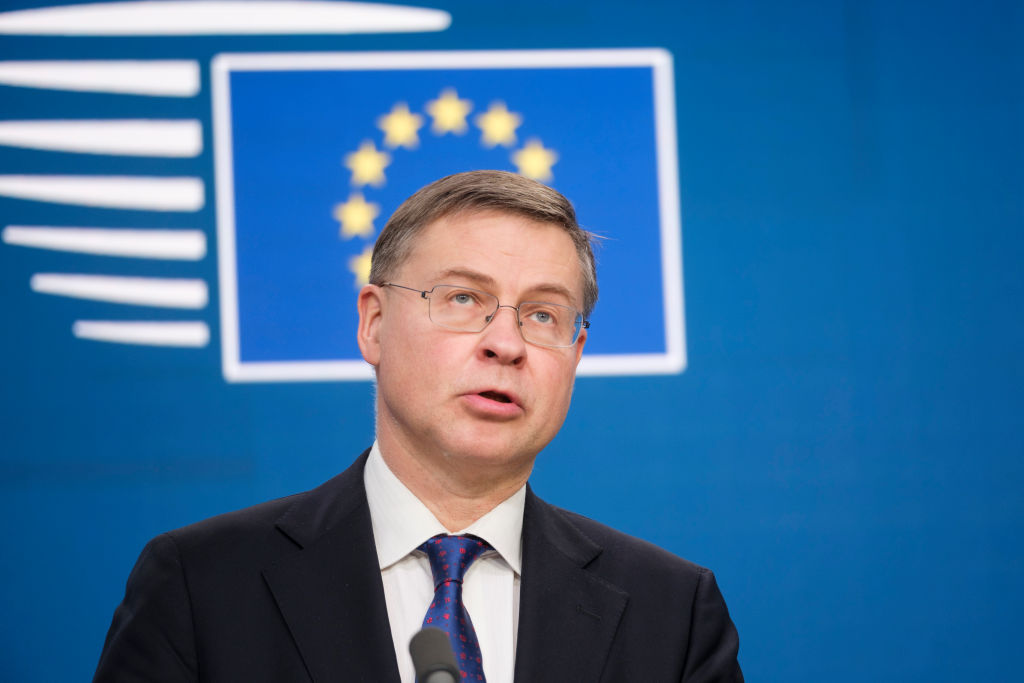
European Commission Vice President Henna Virkkunen and Culture Commissioner Glenn Micallef stressed that the exhibition must not provide a platform for those who support or justify Moscow’s actions and that culture should promote democratic values rather than serve as propaganda.
Members of the European Parliament, particularly from liberal and green groups, also called for Russia’s exclusion. German MEP Sergey Lagodinsky of the Alliance 90/The Greens said: “There can be no cultural business as usual with a state waging war in Europe.”
Cultural networks amplified the pressure: Organisations such as the European Cultural Foundation and the Network of European Contemporary Art Centres (NECAC) urged a firm stance. Curators and critics — including UK creative director and arts producer Claire Doherty, French author Jean-Pierre Cometti and artist Maria Pia Valenti — signed open letters warning that continued ambiguity could provoke boycotts or withdrawals from other pavilions.
Despite the pressures, the Biennale confirmed Russia’s participation. Since taking office in 2024, its President Pietrangelo Buttafuoco, an influential journalist and intellectual historically associated with the Italian political Right and close to Meloni, has defended the institution’s autonomy.
In early March 2026, he said: “The Biennale must remain a space for art, not a stage for political sanctions. Excluding artists or pavilions based solely on their governments’ actions would set a dangerous precedent.”
He added: “Neutrality does not mean complicity; it means protecting the dialogue and exchange that art represents.”
Italy’s response has exposed a rare internal division within the government. Culture minister Alessandro Giuli, also considered close to Meloni, effectively sided with the European position, signalling that Italy cannot ignore EU expectations.
This places him at odds with the Biennale leadership, transforming the issue into a domestic stand-off that pits pro-European pressures against the defence of artistic autonomy.
As the Biennale opens in April, the Russian Pavilion has become more than a symbolic space. It represents a broader debate on sovereignty, cultural freedom, and the limits of European influence, turning what might have been a curatorial decision into a test case for how far politics should shape Europe’s cultural institutions.