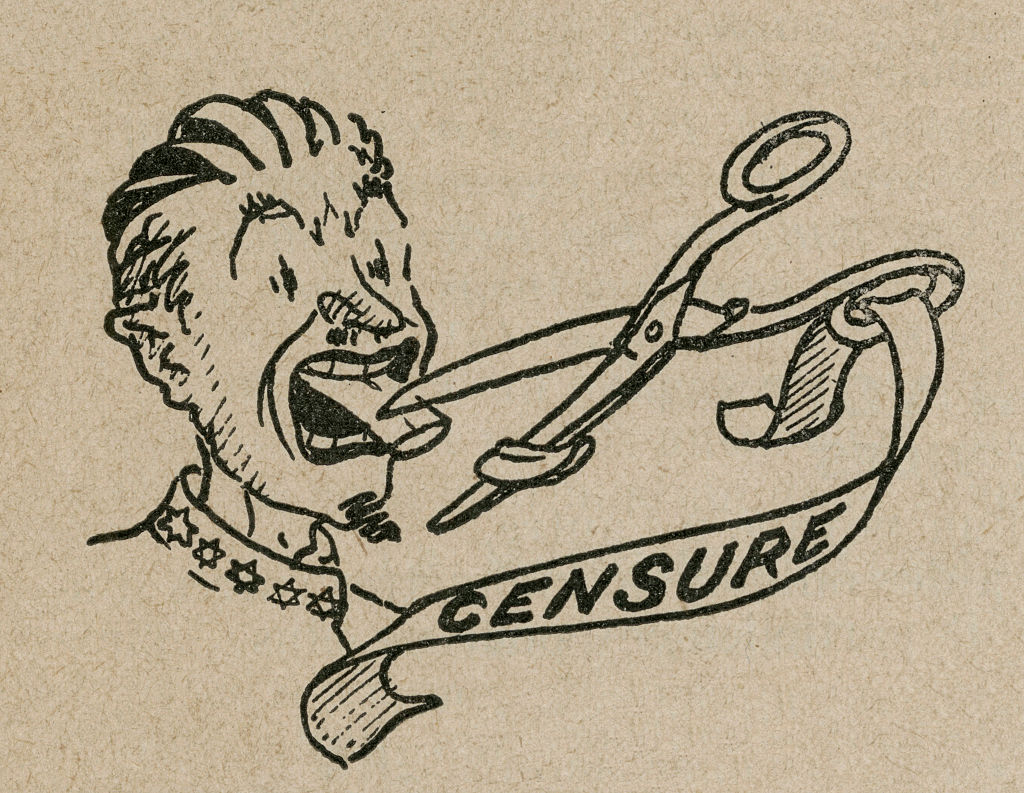
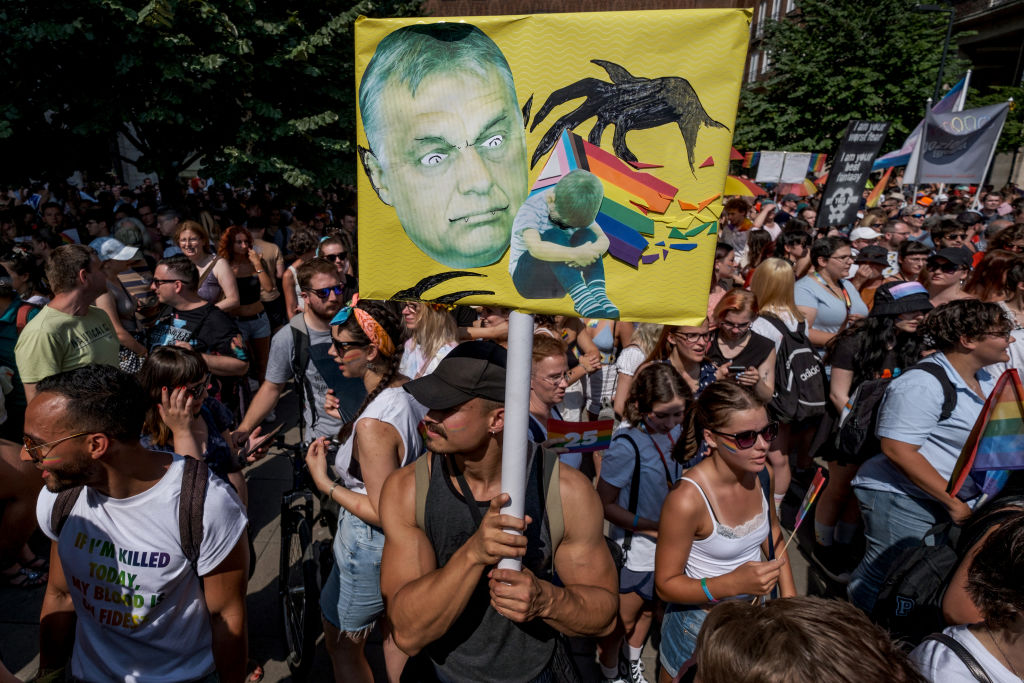
Ahead of Hungary’s upcoming national elections, the European Commission has moved to activate the “rapid response” mechanism under the Digital Services Act.
The measure brought in today is set to remain in place until one week after Hungary’s presidential vote, due on April 12, 2026.
The so-called rapid response system allows Brussels to require major online platforms to act swiftly against what the Commission identifies as so-called “disinformation” risks — but observers have identified rapid response as “a politically motivated intervention” and “direct interference in Hungarian domestic politics”.

An EC spokesperson said today that large platforms, including TikTok and Meta, will work alongside fact-checkers and civil society organisations to “quickly flag” potential foreign interference and disinformation campaigns in the run-up to the elections.
MCC, the Brussels-based think tank, through its Democracy Interference Observatory, has criticised what it describes as partisan bias in the “rapid response” mechanism under the Digital Services Act.
In a statement, it argued that many of the NGOs, fact-checkers and other signatories to the Code of Practice on Disinformation are “significantly funded” by the EC itself, raising concerns about their independence.
“This is not a neutral assessment but a politically motivated intervention,” it said.
The organisation further warned that the Rapid Response System provides Brussels with “a powerful tool to shape the flow of information” during what it described as a “critical election period” for both Hungary and the European Union.
Criticism also emerged from Hungarian conservative circles. Gergely Szilvay, chief staff writer at Mandiner, described the move as a direct intervention in the country’s domestic politics.
“It is definitely an interference in the Hungarian campaign of the parliamentary elections,” he said, arguing that the mechanism was “designed for these kinds of censorships.” Szilvay further criticised what he sees as a broader attitude within EU institutions.
“It shows that the liberal-federalist leadership of the EU does not trust its people, but rather treats them in a paternalistic way, as if citizens were unable to decide for themselves what to believe or think,” he told Brussels Signal.
He also questioned the transparency of the system. “I would like to know who is doing the fact-checking and post-monitoring under the DSA, and which posts are taken down and why,” he added.
Brussels insists the mechanism itself does not hand outside groups any formal control over online speech.
The move comes amid claims of Russian-linked disinformation efforts.
Following the EC announcement today critics are denouncing what they see as “Brussels playbook” in action.
In the run-up to major elections where populist or right-wing candidates are seen as anti-European, the EU establishment raised the alarm over Russian “disinformation” and social media manipulation.
In both instances of the Romanian and Moldovan elections, respectively, in 204 and 2025, warnings of Russian interference dominated the pre-election narrative, while publicly available, verifiable evidence remained limited or inconclusive.
On March 6, 2026, the Ukrainian outlet Ukrainska Pravda said that Russian President Vladimir Putin allegedly tasked political strategists and military intelligence operatives with influencing Hungary’s parliamentary elections in April, with the aim of securing victory for incumbent Prime Minister Viktor Orbán.