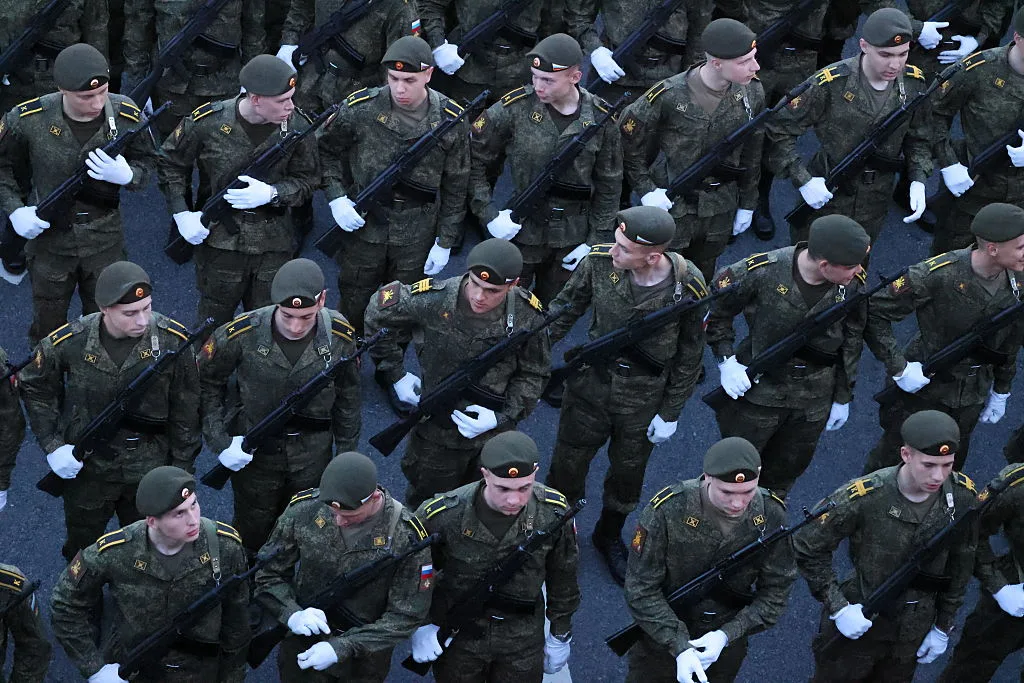

The European Union is considering restricting entry into the Schengen area for Russian nationals who have taken part in the war in Ukraine, as discussions among member states continue ahead of the European Council meeting expected in June 2026.
According to reporting by Euractiv on April 24, citing EU officials, the initiative would focus on former Russian combatants as part of a broader effort to tighten visa rules in response to Moscow’s invasion of Ukraine.
The idea reflects concerns raised by several member states, particularly Estonia, Latvia, Lithuania and Poland, with support from Finland, that individuals with frontline military experience could pose long-term security risks if granted free movement within the EU.
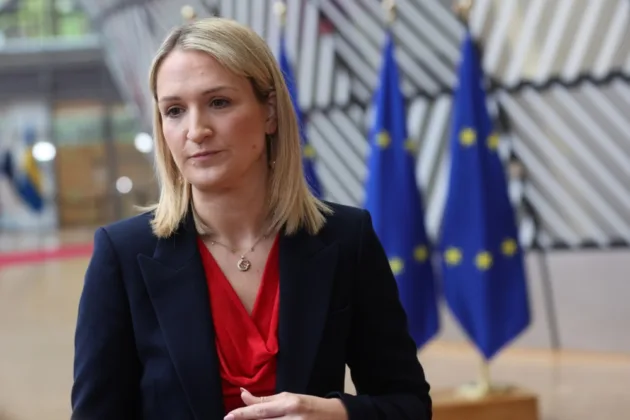
EU High Representative for Foreign Affairs Kaja Kallas is expected to play a leading role in presenting policy options on the issue. In her role overseeing the EU’s external action service, she is preparing discussions on possible measures aimed at restricting entry for specific categories of Russian nationals linked to the conflict.
Her involvement reflects broader efforts within the EU to bring together foreign policy, sanctions implementation and internal security concerns at a time when Russia’s war in Ukraine continues to shape the bloc’s strategic agenda.
The debate has gained particular momentum in Eastern and Northern Europe, where governments have long argued that Russia’s war should not be treated merely as a conventional military conflict but as a wider security challenge for the continent.
Officials in those countries have warned that returning soldiers could present risks including radicalisation, organised criminal activity and possible involvement in hostile operations against European states.
Those concerns have driven calls for a more targeted approach than previous visa restrictions affecting Russian citizens more broadly.
Since 2022, the EU has already significantly tightened its visa regime for Russian nationals, suspending the visa facilitation agreement and reducing access to multiple-entry Schengen visas following Russia’s invasion of Ukraine.
The current proposal would go further by introducing restrictions based on individual participation in military operations rather than nationality alone.
Ukrainian officials have welcomed the discussions, arguing that involvement in the war should carry consequences and that those who took part in the invasion should not benefit from unrestricted access to European territory.
For Kyiv and its closest allies in the EU, the measure would also send a political message: participation in Russia’s war would have consequences beyond the battlefield and beyond Russia’s own borders.
The proposal remains at an early stage and would require agreement among EU member states before any formal adoption.
Legal and political questions are expected to shape negotiations, particularly regarding implementation, evidence standards and compatibility with EU mobility rules.
One of the main challenges would be identifying who had taken part in military operations and determining whether such a restriction could be applied consistently across the Schengen area.
If advanced, the measure would likely prompt a strong reaction from Moscow, potentially leading to retaliatory diplomatic or political steps and further complicating already strained relations between Russia and the European Union.
Such a development would add another layer of tension to an already fragile and limited channel of dialogue between the two sides.