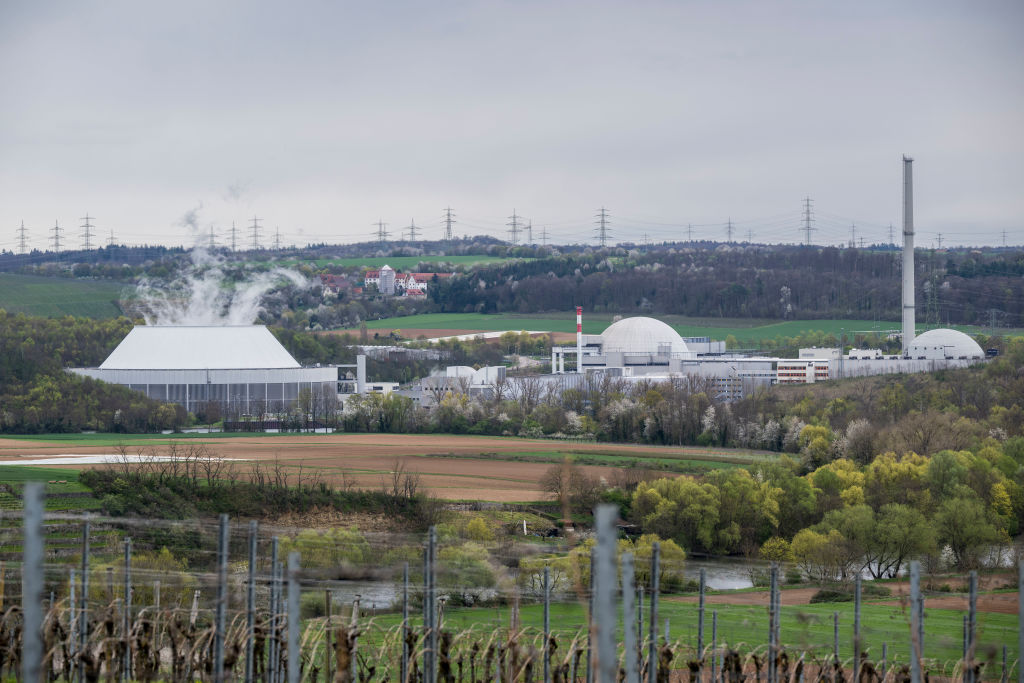
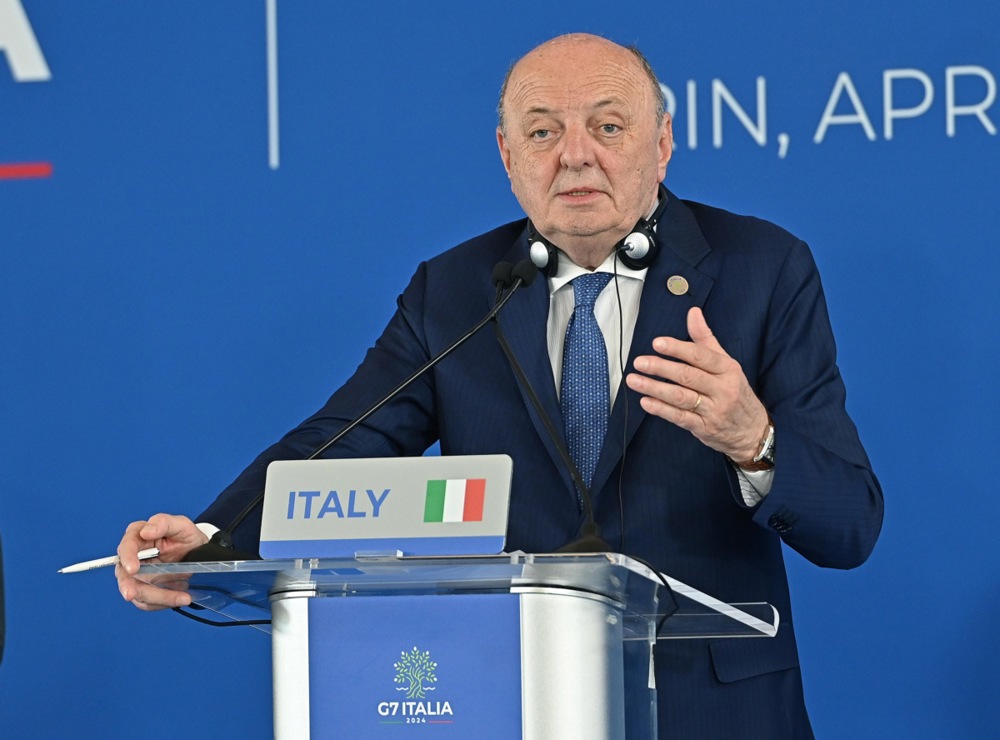
Peter Altmaier, a former German finance minister and a chief architect of Angela Merkel’s energy policy, claimed Germany’s decision to abandon nuclear power has not harmed the country’s economy.
Altmaier defended the Atomausstieg (nuclear phase-out) as a necessary response to public sentiment after the Fukushima disaster, speaking yesterday on the Markus Lanz talk show on state broadcaster ZDF.
He claimed the phase-out did not cause structural damage to the German economy, and said the transition was a managed democratic necessity.

Altmaier’s assessment is in contrast to a large body of economic data and many reports from industry bodies suggesting Germany’s nuclear phase-out has left Europe’s largest economy uniquely vulnerable.
Market data and independent analyses highlight several areas where the nuclear shutdown imposed significant costs on the German state.
Altmaier, despite intensifying criticism about its long-term impact on Germany’s industrial competitiveness, described the decision as a settled social contract.
Altmaier was critical of the government of current chancellor Friedrich Merz, which has been more open to nuclear energy. Merz has publicly said he regrets the nuclear phase out.
The former finance miniser admitted during the broadcast Germany’s energy-intensive model is increasingly difficult to sustain, given the global economic environment of renewed US protectionism and shifting trade alliances.
Before the phase out, Germany was not as dependent on Russian gas as it is at present, the host argued.
Altmaier countered constructing more LNG terminals could have ensured the gas supply would have been secured after 2022.
Germany also sold its gas storage facilities, which Altmaier said was the result of EU legislation at the time.
The increasing import of Russian gas, he said, was to appease German companies in the chemical industry.
They complained about high costs they already faced for labour, electricity, and social spending. Inexpensive Russian gas helped them balance these other rising costs.
German Chancellor Friedrich Merz issued a stark warning about his country’s economy in a New Year’s letter to his governing coalition, describing its situation as “very critical.” https://t.co/r5PNmR6U0S
— Brussels Signal (@brusselssignal) January 6, 2026
Germany now has some of the highest industrial electricity prices in the European Union.
Wholesale prices in the first half of 2025 reached nearly $100/MWh, roughly double in the United States and significantly higher than in France, which gets 80 per cent of its electricity from nuclear sources.
Electricity prices in 2024 would have been 23 per cent lower had the nuclear fleet remained operational, estimated PwC.
The impact of the higher energy costs is particularly pronounced in Germany’s core export sectors.
Industrial output in January 2026 decreased by 0.5 per cent month-on-month, marking a second consecutive drop. Production remains approximately 14 per cent below its 2018 peak.
Major manufacturers have warned high energy costs are forcing production to relocate to lower-cost regions.
This has in turn threatened the foundation of Germany’s industrial model.
Environmental and public health data also challenge the narrative that the nuclear phase-out has been environmentally harmless.
While Germany has increased its share of renewables, the loss of nuclear sources has led it to continue to rely on coal and natural gas.
Research indicates carbon emissions from the power sector would be roughly 50 per cent lower today if the 2010 nuclear fleet were still active.
Furthermore, a report from the Anthropocene Institute linked increased coal burning required to bridge the nuclear gap to an estimated 19,200 premature deaths due to air pollution over the past decade.
The phase-out has added 4 tonnes of mercury, 2.5 tonnes of cadmium, and 20 tonnes of lead to the wider environment.
At early September 2025 EU ETS carbon prices of €78 per tonne, the extra CO₂ also equated to a cost of roughly €57 billion, or about €1,390 per German household.
The head of the International Energy Agency has called Germany’s decision to abandon its nuclear power plants a “historic mistake”. https://t.co/C8ouoHXg2H
— Brussels Signal (@brusselssignal) February 5, 2026