The rocketing prices for petrol and diesel are proving a boon for Germany’s finance minister.
According to calculations by economic think-tank RWI, Germans have paid an additional €500 million in taxes on fuel in March 2026 alone – compared to previous months.
RWI researcher Manuel Frondel told newspaper WAZ on April 7: “The state is the real beneficiary of high fuel prices.

“On Holy Saturday [April 4], the price of diesel stood at up to €2.45 per litre. Compared with the period before the Iran conflict in February, this equates to additional VAT [value-added tax] revenue of around €0.12 per litre.
“With daily diesel consumption of around 100 million litres, this amounts to around €12 per day, or €360 million per month,” Frondel said.
The price increase was especially pronounced for diesel as Germany is a net importer of the fuel while petrol is mostly produced domestically.
In the case of petrol, RWI estimates extra tax revenue of €0.06 per litre, yielding an additional €130 million per month for the government’s coffers.
In Germany, drivers pay 19 per cent VAT on fuel. If the price per litre rises, so does VAT revenue.
Additionally, Germany charges a fixed energy tax of €0.65 per litre of petrol and €0.47 per litre of diesel – as well as a carbon dioxide fee of around €0.17 per litre.
The carbon dioxide fee was raised yet again at the beginning of 2026, driving up fuel prices by €0.06 to €0.08 per litre. The increase was a deliberate policy choice, part of the government’s climate strategy, meaning that German drivers were already facing higher costs at the pump before the Iran crisis sent global oil prices soaring.
The tax burden guarantees that Germans pay some of the highest prices in Europe at the pump.
As of April 6, the country had the third-highest petrol prices in the European Union at €2.24 per litre, according to the Federal Statistical Office, surpassed only by Denmark and the Netherlands.
Germans are now even crossing the border into pricy Switzerland to fill up their cars – as fuel prices are more than €0.30 cheaper there.
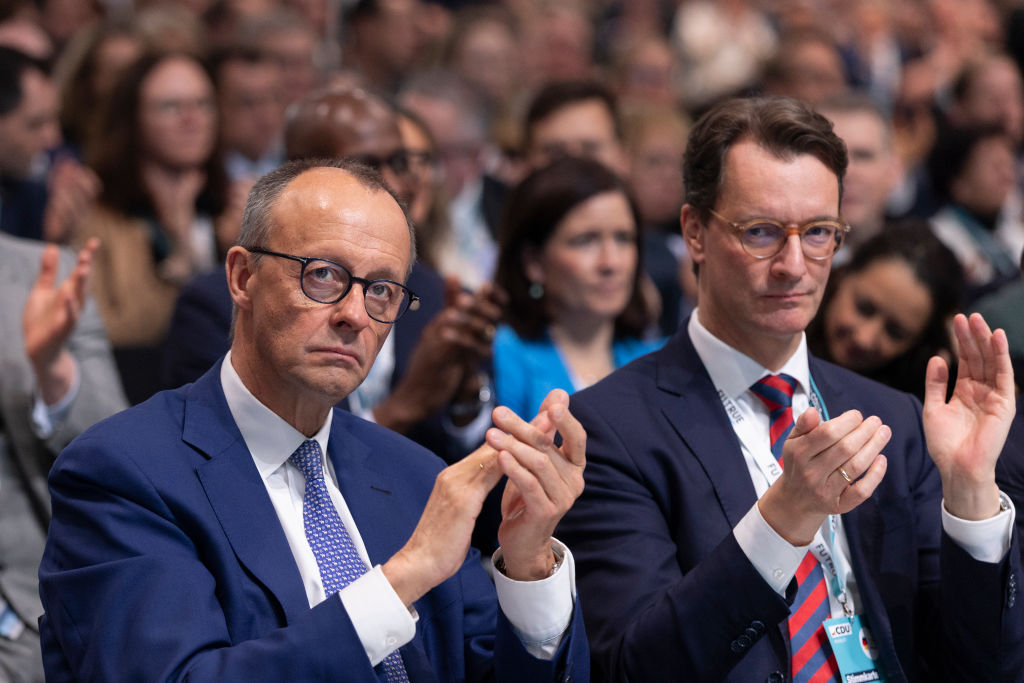
Yet Germany’s government coalition – made up of the conservative Christian Democratic Union (CDU) of Chancellor Friedrich Merz and the Social Democratic Party (SPD) as junior partner – has repeatedly turned down calls to lower taxes to mitigate the effects of the crisis.
Instead, the government introduce a so-called “fuel price brake” – a new rule that allows petrol stations to raise prices only once per day. This measure has proven ineffective, according to media reports.
The SPD is now pressing for additional measures. These include a general price cap on fuel and new taxes on supposed “excess profits” of energy companies – even though economists slam both ideas as nonsensical and populist.
Some in Germany’s government even see the fuel crisis as a chance to get their citizens to swear off automobiles altogether.
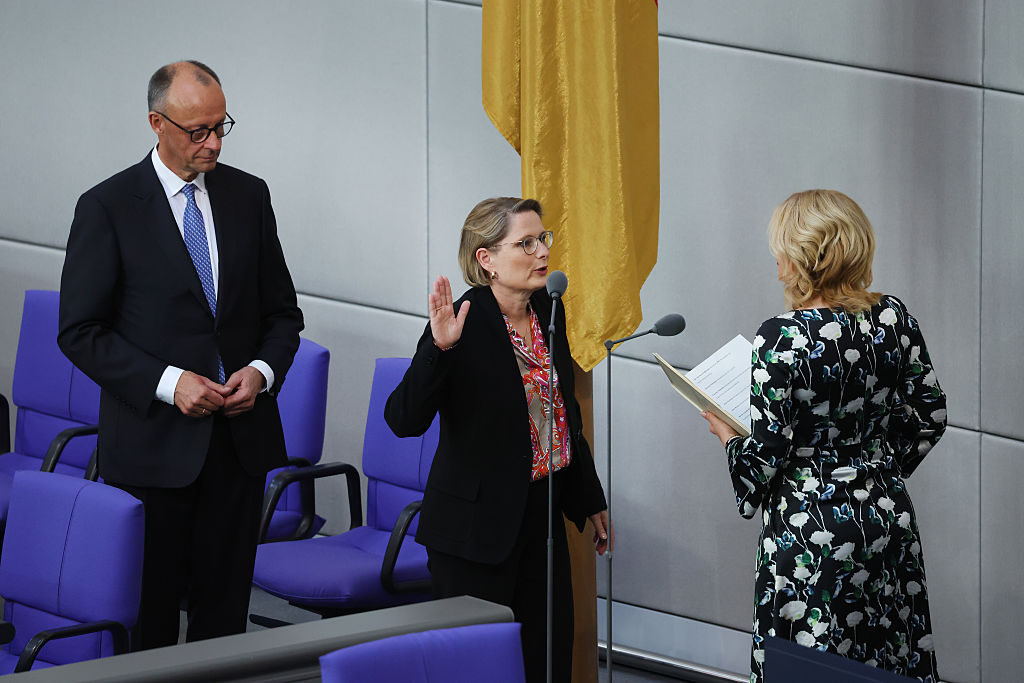
On March 28, transport minister Patrick Schnieder (CDU) recommended Germans use public transport instead of cars, saying: “For large parts of our country, I can only recommend getting an annual ticket for public transport – especially in the current situation.”
The advice rings hollow for the millions of Germans living in rural areas. According to a report published earlier this year, more than half the population of Germany’s sparsely populated districts has no adequate access to public transport, with some communities served by as few as two or three bus departures per day.