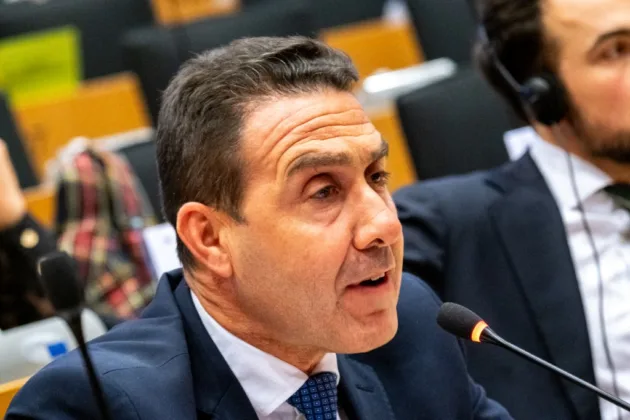
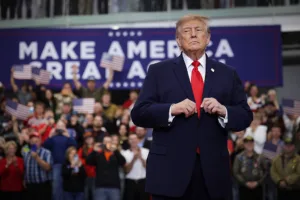

Italian Deputy Prime Minister and League party leader Matteo Salvini is reconsidering his political alignment with US President Donald Trump.
That is according to reporting by journalist Giacomo Salvini in the Italian daily Il Fatto Quotidiano today.
The League, part of Italy’s governing centre-right coalition, has until recently been closely aligned with Trump-era politics.
Signs of disalignment, though, are now emerging—not only within the League but across Italy’s right-wing governing parties amid broader geopolitical tensions. They include the recent US military action against Iran and verbal attacks by Trump against Pope Leo XIV.
During a federal council meeting — the League’s highest decision-making body — yesterday, Salvini reportedly told party officials that “the time has come to distance ourselves from Trump”, marking a potential break with a line that has defined much of his international positioning.
The proposal, though, met internal resistance. According to party sources Brussels Signal spoke to today, several League officials warned against a sudden or highly visible shift. They argue that an abrupt change could appear inconsistent to voters.
Other concerns reportedly come from party members with strong political and ideological ties to the US and Israel.
The debate highlights a strategic dilemma: Whether following the broader repositioning of Italy’s right-wing parties vis-à-vis the US risks undermining the League’s recent identity, closely associated with Trump-style positions on migration and globalism.
For now, the League appears inclined towards a gradual repositioning rather than a clean break. Salvini reportedly stressed that the shift should remain measured and incremental, avoiding the impression of a sharp rupture with past positions.
Whether this approach will prove effective remains uncertain but the discussion itself signals that even firmly established political alignments are being reassessed within Europe’s right-wing movements.