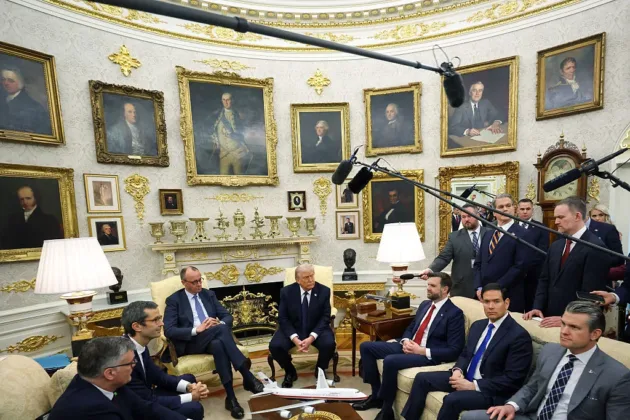










An internal Pentagon email has outlined options for punishing NATO allies seen as insufficiently supportive during US operations in the Iran war, including the possibility of seeking Spain’s suspension from the alliance.
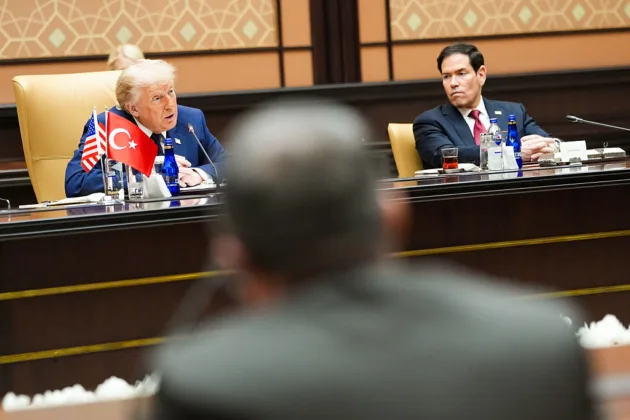
The document, first reported by Reuters on April 24, highlights frustration with “difficult” allies that failed to provide meaningful backing — particularly Spain’s refusal to allow US aircraft to use its airspace or joint bases at Rota and Morón for strikes against Iran.
The email notes that suspending Spain would have limited operational impact on US forces but would carry considerable symbolic weight.
Spain has long been one of NATO’s lowest defence spenders, with expenditure hovering between 1.1 and 1.4 per cent of GDP during the last two decades — well below the targets set by most allies and far short of the higher benchmarks pushed by the Trump administration.
Under Prime Minister Pedro Sánchez, Madrid has prioritised domestic social spending and adopted a more independent, left-leaning foreign policy that has clashed with Washington on multiple fronts.
Critics argue this has turned Spain into a free-rider that benefits from collective defence while contributing minimally and often withholding practical support when it matters most.
In March of this year an angry Trump has called Spain a “terrible ally” after it refused to open it’s bases or airspace for the US forces.
Trump, after Spain refused to allow U.S. forces to use its bases:
"Spain has nothing to offer us. They are a fantastic nation, but a terrible ally. We want nothing to do with them. All negotiations are cut off." pic.twitter.com/CfbFk7LsCf
— GeoInsider (@InsiderGeo) March 3, 2026
Prime Minister Sánchez dismissed the reports, insisting Spain is a “loyal” and “reliable” NATO partner.
He said decisions are based on official positions, not leaked emails, and sidestepped direct confrontation.
Sánchez added that Spain supported “full cooperation with its allies, but always within the framework of international law.”
Within NATO officials quickly rejected the idea, stating its founding treaty contains “no provision” for suspending or expelling any member state.
A Pentagon spokesperson confirmed that officials are reviewing policy options but declined to comment on internal deliberations.
The leaked Pentagon email also floats the possibility of reassessing longstanding US diplomatic support for Britain’s claim to the Falkland Islands (Islas Malvinas), which are administered by the United Kingdom but claimed by Argentina.
This option is framed as leverage against European allies and references Argentina’s libertarian President Javier Milei, a close ideological ally of President Trump.
While Milei has reaffirmed Argentina’s sovereignty claim over the islands in recent speeches and vowed to strengthen the country’s armed forces, he has generally pursued a pragmatic relationship with the UK and has not pushed for immediate confrontation.
Any shift in the US position would mark a significant departure from decades of American support for Britain on the issue and could embolden Argentine diplomacy. Downing Street has insisted that British sovereignty over the Falklands is “not in question.”