
Spring flowers are blooming in the Donbas across a landscape of iron and fire. While the eyes of the world are fixed on the desert sands and the boiling tensions of the Middle East, developments in Eastern Ukraine are quietly becoming tectonic. The Russian military is embarking on its long-expected offensive in Donetsk, and this time the target is the “Fortress Belt”. Slovyansk and Kramatorsk are in the crosshairs, and we would be fools to ignore the writing on the wall. We have seen the pattern before, from the ruins of Mariupol to the meat-grinder of Bakhmut.
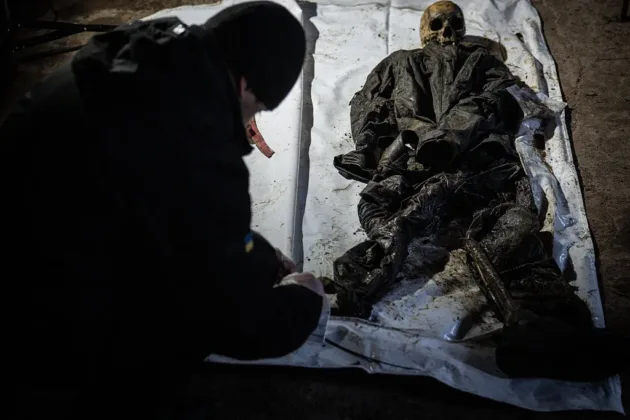
The gruesome reality of modern warfare -a world of FPV drones and relentless artillery barrages- has not changed the fundamental laws of mass. Despite the technical innovations and the heroic resistance of the Ukrainian defenders, the Russian side is playing a game of attrition that it is uniquely equipped to win. They have the time, they have the manpower, and they have the industrial capacity to simply outlast the enemy. While the West celebrates tactical victories or boasts “game-changing” equipment, Moscow is moving forward kilometer by bloody kilometer, with the patience of a predator that knows the end is near.
Perhaps most critically, Russia now effectively enjoys a free hand from Washington. As the United States commits its energy and weapon stockpiles to “Operation Epic Fury” and the escalating crisis with Iran, Ukraine has become a secondary concern. The American strategic elite is exhausted and embittered by a Europe that refused to support its Middle Eastern ambitions, so in response Washington has repositioned itself as a “neutral mediator” in the Ukrainian conflict, rather than a strategic supporter of Kiev. This has left Ukraine isolated, fighting a war that its primary patron no longer has the political will to finance or win.
The time for delusional optimism is over. The Russian objective has been clear all along: Τhe total capture of the Donbas, together with the biggest part of Zaporizhia and Kherson. Once Slovyansk and Kramatorsk fall -and eventually they most likely will- the Russian position will be consolidated. At that point, Moscow will not be asking for a ceasefire. It will be dictating the terms of a new European order. The process is already in motion. As the Eurasian security status quo is collapsing before our eyes, the EU is standing paralysed by its refusal to face facts.
Is it time for Europe to finally abandon a losing game? Yea, it is. We cannot keep pretending that total victory in Ukraine is still a viable military objective under the current conditions. To continue fueling a war that offers no clear prospect of success is not an act of solidarity. It is an act of strategic negligence. Europe is suffering because of the economic consequences, while its security is being eroded by a conflict it cannot control. We are paying the price for a stalemate that only weakens our continent, while empowering our rivals in the East.
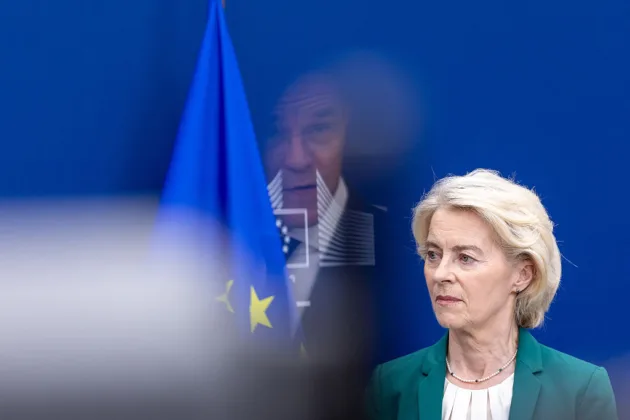
The European Union must find the courage to push for a holistic solution to its standoff with the Kremlin. This means moving beyond both sanctions and proxy warfare. It means recognising that Russia is a permanent geographic reality that cannot be wished away or actively contained -at least without American help. We need a diplomatic settlement that reflects the balance of power on the ground and the actual global economic and energy situation, rather than the moralistic fantasies of Brussels. If we do not take the initiative, peace will be settled by Washington and Moscow alone. We will be the ones who lose.
Coming to terms with reality is not an act of surrender. It is an act of survival. We must of course rebuild our defences and secure our borders, but we must also recognise that this war has reached its point of no return -and returns too. The “Fortress Belt” is at risk, the Americans are indifferent and the map is being redrawn. Ukraine is still there and it is bleeding. It is time for a European policy that prioritises stability and prosperity over a “forever war” that we are destined not to win. We must act now, before there is nothing left to negotiate.