






The European Union has moved to bar imports of Brazilian meat from September 3, 2026, citing the South American country’s use of antimicrobials to stimulate growth in farm animals.
An EU committee made up of experts from member states voted on May 12 to exclude Brazil from the list of third countries approved to export animal products to the bloc. The move risks reigniting trade tensions only days after the controversial EU-Mercosur agreement provisionally entered into force.
European Commission spokesperson Eva Hrncirova confirmed the ruling. Brazil “can no longer export to the EU commodities (both food producing live animals and derived products) such as bovine, equine, poultry, eggs, aquaculture, honey and casings, with effect as from 3 September 2026”, she said.
The Standing Committee on Plants, Animals, Food and Feed agreed an updated list of countries deemed compliant, including 21 new countries and five previously listed. Brazil was conspicuous by its absence.
Hrncirova said Brussels would maintain dialogue with Brasília. “We have closely engaged with the Brazilian authorities on this issue and will continue contact to work towards their compliance with these requirements,” she said.
The ban will take effect just over four months after the EU-Mercosur free trade agreement was provisionally enacted on May 1 by European Commission President Ursula von der Leyen. The deal, which liberalises agricultural trade with Brazil, Argentina, Paraguay and Uruguay, was signed on January 17 and is currently being challenged by EU lawmakers at the bloc’s judiciary.
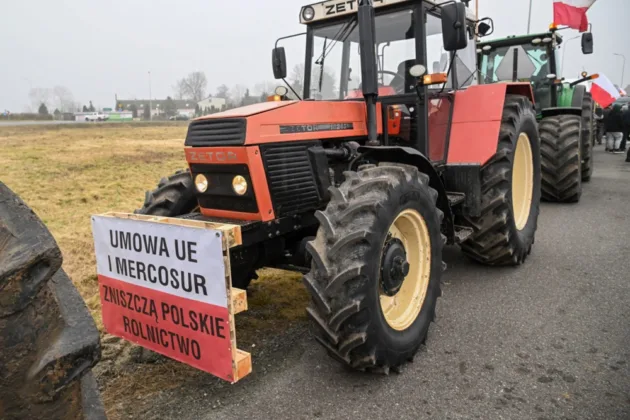
Brussels had previously sought to reassure European farmers by introducing safeguards. These include mechanisms to monitor potential market disruption from a surge in imports from Mercosur countries, with quotas introduced for sensitive products such as poultry and meat. Those concessions failed to stem widespread farmer protests across member states during the agreement’s negotiation.
The Brazilian Government said it had received the news “with surprise”, with its agriculture ministry pledging to take “all necessary measures” to reverse the decision. Brazil’s head of mission to the EU was due to meet European officials in Brussels on May 13 to seek explanations.
According to the Brazilian government’s association for animal products, EU countries were the third biggest destination for Brazil’s beef in 2025, after the United States and China. Brazil is the world’s largest exporter of animal protein and the main supplier of agricultural products to the European market, according to its government.
The Irish Farmers’ Association (IFA) welcomed the announcement as “an important first step”. IFA president Francie Gorman said the move followed an investigation by his organisation and the Irish Farmers Journal into what he described as unregulated antibiotic use across four Brazilian states.
“The commission is finally taking the Antibiotic/Anti-Microbial Resistance (AMR) threat posed by Brazilian beef production somewhat seriously,” Gorman said. He argued Brazilian beef should not enter the EU market until comprehensive prescribing and traceability systems are fully implemented.
Exports could resume once compliance is confirmed, the Commission said, adding that it would continue working with the Brazilian authorities to achieve that goal.