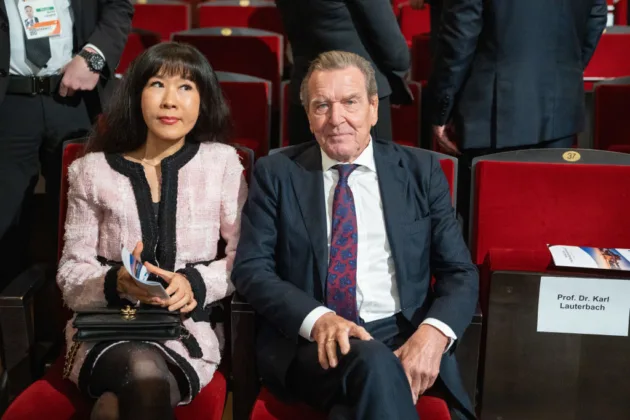


The German Government has rejected the prospect of former chancellor Gerhard Schroeder acting as an international mediator in stalled peace talks on Ukraine, after Russian President Vladimir Putin floated his name as a potential facilitator of dialogue.
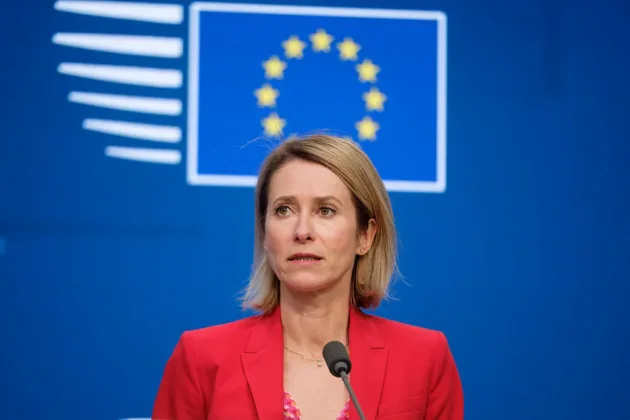
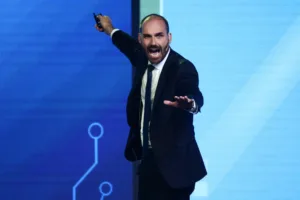
Speaking in Brussels on May 11, 2026, German Minister for European Affairs Gunther Krichbaum dismissed the suggestion, citing Schroeder’s well-documented closeness to the Russian leader and arguing that any go-between would have to be acceptable to both sides of the conflict.
“The former chancellor in the past has not exactly demonstrated everything necessary to be able to act here as a neutral mediator, as a kind of ‘honest broker’,” Krichbaum told reporters in the Belgian capital. “He is and has clearly allowed himself to be influenced by Putin.”
The conservative German politician pointed to Schroeder’s long-standing personal relationship with the Kremlin chief. “Close friendships can be legitimate anywhere in the world, but they do not help anyone to be perceived as an upright and impartial mediator,” he said.
Krichbaum stressed that the views of Kyiv would be decisive in any selection of an intermediary. “What matters above all is that a mediator can be accepted by both parties,” he said.
Schroeder, who served as German chancellor from 1998 to 2005 at the head of a Social Democratic Party (SPD) coalition, played a central role in cementing Berlin’s energy dependence on Moscow. In the years following his departure from office, he took up paid positions with several Russian state-linked energy firms, becoming one of the most polarising figures in German public life.
The retired politician resigned from the supervisory board of Russian gas giant Gazprom in 2022 under sustained pressure, after the full-scale invasion of Ukraine. He had previously refused to step down despite calls from across the political spectrum to sever his commercial ties to Moscow.
That same year, the Bundestag stripped him of some of the privileges traditionally afforded to former heads of government, including a publicly funded office. Internal motions for his expulsion from the SPD have been debated repeatedly but have never been carried, with party tribunals ruling that his conduct fell short of the threshold required to remove him.
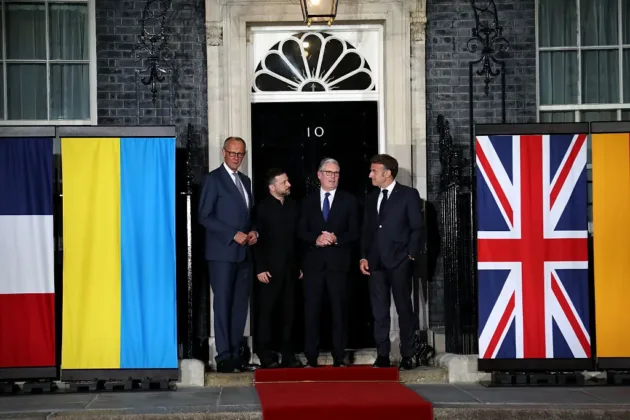
Putin’s suggestion that Schroeder could broker talks comes amid a wider deadlock over efforts to bring Moscow and Kyiv to the negotiating table. Repeated attempts to revive direct dialogue have foundered over preconditions set by both sides.
Krichbaum’s intervention underscores Berlin’s reluctance to legitimise figures seen as too close to the Russian Government, even as some European Union capitals have signalled greater openness to unconventional channels in the search for an end to the war in Ukraine.