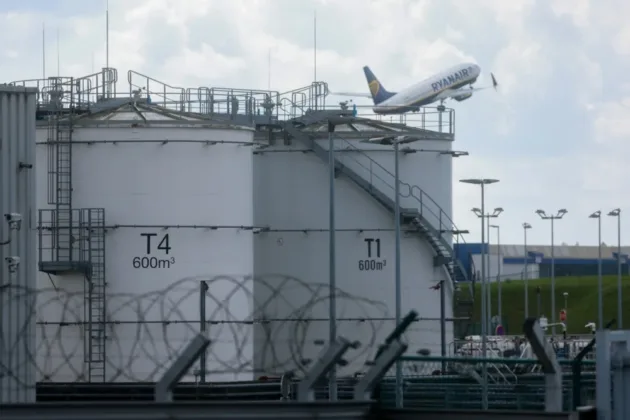





The European Union has come under mounting pressure over its jet fuel supplies, with the European Commission warning that stocks are “under pressure” as the Iran war chokes flows through the Strait of Hormuz and airlines across the bloc cut thousands of flights.
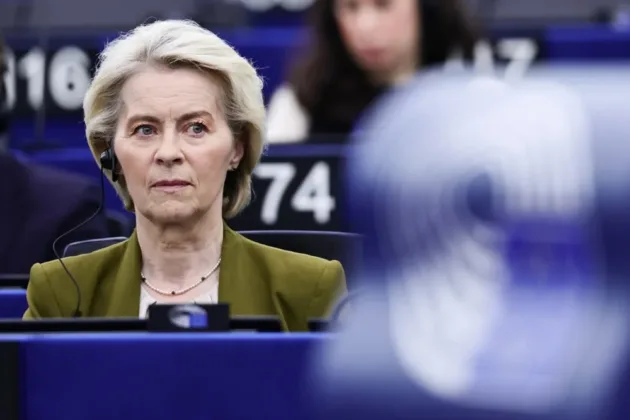
EU Transport Commissioner Apostolos Tzitzikostas has told reporters there is “no evidence of actual shortages in Europe” so far, though he conceded that commercial jet fuel stocks were under strain. The market, he insisted, was responding and there were no signs of bottlenecks.
Some carriers, he said, had already cancelled flights – though that was “on account of high fuel costs, not for lack of supply”.
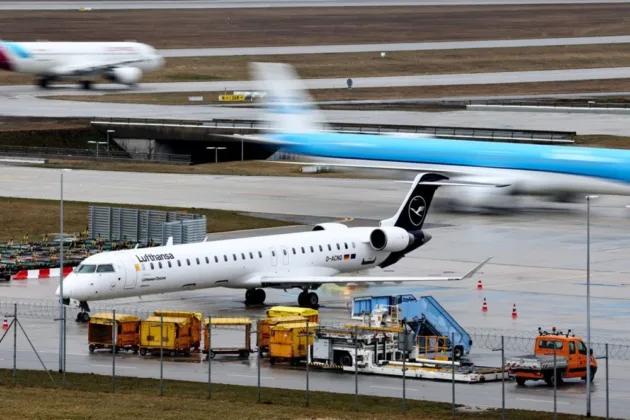
The reassurance came as jet fuel prices have doubled in Europe over the past year, hitting $187 (€166) per barrel on May 1, according to the International Air Transport Association (IATA). Lufthansa, one of the bloc’s largest carriers, has slashed 20,000 short-haul flights through October, blaming surging fuel costs.
The crunch follows the closure of the Strait of Hormuz after the United States and Israel attacked Iran on February 28, 2026. Roughly 20 per cent of Europe’s kerosene normally transits the strait, which has been effectively shut by Tehran in response.
Airports Council International Europe (ACI Europe), which represents more than 600 airports across the continent, has warned that the EU will face a “systemic jet fuel shortage” if exports through Hormuz do not resume in a “significant and stable way” within three weeks. The trade body sounded the alarm in an April 9 letter to Tzitzikostas and EU Energy Commissioner Dan Jørgensen.
Fatih Birol, head of the International Energy Agency (IEA), has gone further. He has said Europe has “maybe six weeks or so” of jet fuel left, warning of possible flight cancellations “soon” if oil supplies stay halted.
In response, the Commission has unveiled a package of energy and transport measures dubbed AccelerateEU, presented on April 22. Brussels said it would set up a new “fuel observatory” to track production, imports, exports and stock levels of transport fuels across member states – a tool the bloc has so far lacked.
Officials are also exploring alternative suppliers, particularly the United States. According to data from analytics firm Kpler, US jet fuel deliveries to Europe surged more than 400 per cent in April compared with February, reaching 94,000 barrels per day. Nigerian cargoes are also being courted.
Tzitzikostas said airlines would be issued guidance on passenger rights and public service obligations should jet fuel shortages materialise. Willie Walsh, director general of IATA, has urged European governments to coordinate “well-communicated” contingency plans in case supply problems escalate.
Jørgensen struck a similar note of caution, saying Brussels was preparing for possible “security of supply” issues if the crisis drags on. “We are not there yet, but it can happen,” he said.