

NATO has held a series of closed-door meetings with screenwriters, directors and producers from the film and television industries in Europe and the United States.
That has prompted accusations that the alliance is seeking to shape public narratives through popular entertainment.
UK newspaper The Guardian revealed today that NATO organised three “intimate conversations” in Los Angeles, Brussels, and Paris, with a fourth scheduled for London in June, involving members of the Writers’ Guild of Great Britain (WGGB).
The discussions, held under the Chatham House Rule, focused on the “evolving security situation in Europe and beyond”.
While “off the record” means information cannot be published at all, the Chatham House Rule, formed in 1927, allows the information to be used, just not attributed to a specific person.
According to an email seen by The Guardian, the meetings have already inspired “three separate projects” in development, “at least in part” by these conversations.
Organisers reportedly suggested that even conveying a simple message of “co-operation and compromise” through storytelling would be valuable.
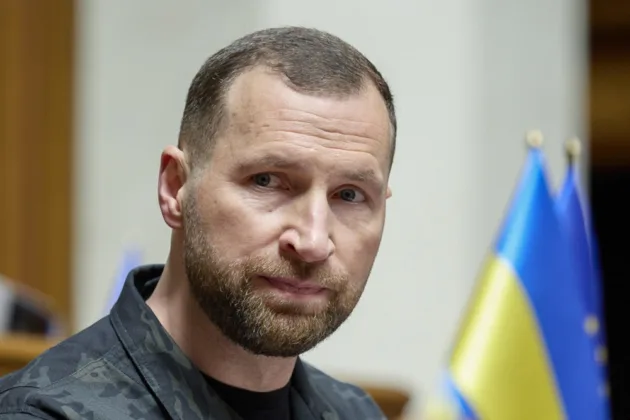
Former NATO spokesperson and now Deputy Assistant Secretary General Deputy Assistant Secretary, is understood to have been involved. A NATO official described the sessions as a response to interest from industry professionals wanting to learn more about the alliance.
The initiative has sparked concern among some invited creatives. Irish screenwriter Alan O’Gorman, whose film Christy won best film at the 2026 Irish Film & Television Awards, called the London meeting “outrageous” and “clearly propaganda”.
He argued it was an attempt to promote NATO messaging amid fears of war and increased defence spending.
Other writers expressed discomfort at being asked to support what they saw as “art used in a way that was supporting war”. Faisal A Qureshi, a veteran screenwriter and producer, highlighted the risk of creatives being “seduced” by privileged access to official briefings.
Political Science Professor Glenn Diesen described the meetings as “NATO invests in war propaganda”
The revelations echo long-standing practices by the US Department of Defence, which has reviewed and influenced Hollywood scripts for decades.
Similar earlier efforts, including a 2024 CSIS-organised trip to NATO headquarters for screenwriters, have aimed at helping the entertainment industry “tell the story of the alliance”.
Supporters of the approach, including a recent Centre for European Reform report, argue that engaging cultural leaders is essential to build public backing for higher defence spending in an increasingly unstable security environment.
Across Europe, the European Union’s Creative Europe MEDIA programme, with a budget of €2.44 billion for 2021–2027, and national film funds have long channelled hundreds of millions of euros into productions that emphasise themes such as migration, climate activism, diversity, inclusion and gender politics.
Inside Europe’s propaganda apparatus: Thomas Fazi exposes how the EU influences media, NGOs, and universities.
Want to find out more? 🤔 https://t.co/LdXWYgDMvW pic.twitter.com/K22HuBHGEn
— Brussels Signal (@brusselssignal) April 29, 2026