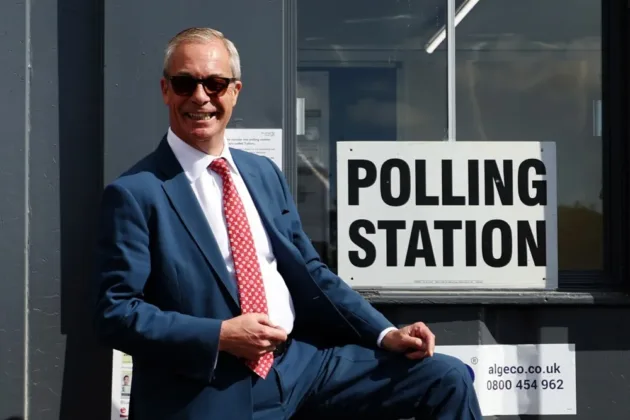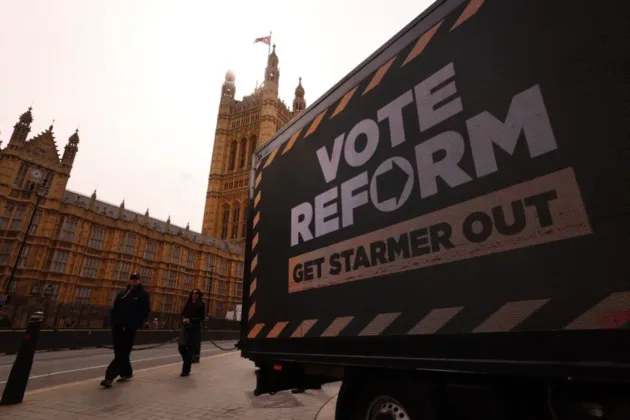



Polling stations have opened across the United Kingdom in local elections widely expected to deliver a punishing verdict on Prime Minister Keir Starmer’s Labour government and confirm the surge of Nigel Farage’s Reform UK.
Voters in England, Scotland and Wales began casting ballots at 7am on May 7, in what amounts to Starmer’s biggest electoral test since his July 2024 general election victory ended 14 years of Conservative rule.
Around 5,000 local council seats out of 16,000 are at stake in England, while Welsh and Scottish voters will elect new devolved parliaments. Polls close at 10pm, with most results expected on May 8.
Reform UK, campaigning hard on immigration and the cost of living, and the left-wing Greens, led by self-described eco-populist Zack Polanski, are tipped to be the main beneficiaries of widespread voter disillusionment.
Pollster Robert Hayward has predicted Labour could lose roughly 1,850 of the 2,550 local authority seats it is defending. Hayward has also forecast Reform UK could pick up some 1,550 seats from Labour and Kemi Badenoch’s Conservatives, mostly in white working-class areas.
In Wales, Labour faces losing control of the Cardiff government for the first time since the country gained its own parliament 27 years ago. A More in Common poll published earlier this week projected Reform UK was running neck-and-neck with pro-independence Plaid Cymru in Labour’s former Welsh heartland.
In Scotland, the Scottish National Party (SNP) is expected to extend its 19-year grip on the devolved parliament in Edinburgh. Polling firm YouGov has suggested Reform UK could even push Labour into third place there.
Starmer, 63, has become one of the most unpopular British prime ministers in modern history, according to recent surveys. Critics say he has lurched from one policy misstep to another while failing to deliver on his central promise of economic growth, amid a persistent cost-of-living crisis driven by high energy prices.
He has also been embroiled in a scandal over sacked US envoy Peter Mandelson, a former friend of late sex offender Jeffrey Epstein.
Speaking on the eve of the vote, Starmer told voters there was a “clear choice” facing the country. “Unity or division. Progress versus the politics of anger,” he said.
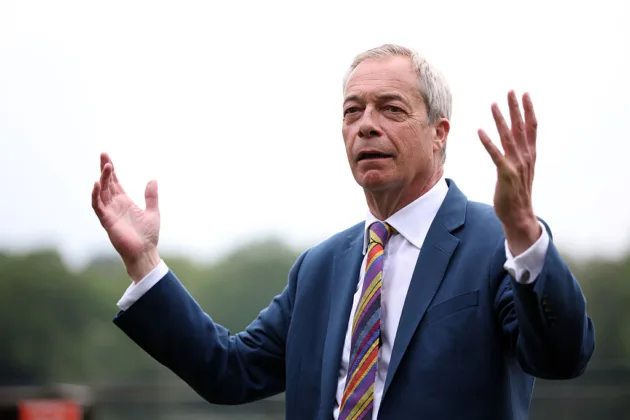
Farage struck a more confident tone. “If you want real change, you’d better vote for it, and we go into tomorrow feeling pretty optimistic about our prospects,” he said.
A heavy defeat could amplify calls for Starmer to face a long-rumoured leadership challenge. British media outlets have reported speculation that former deputy prime minister Angela Rayner or health secretary Wes Streeting may move against him.
Neither figure commands universal support inside Labour and either would need the backing of 20 per cent of the party’s MPs to launch a formal contest. Some Labour lawmakers are reportedly planning to demand that Starmer set a date for his departure.
Starmer has insisted he intends to lead Labour into the next general election, likely in 2029.