









A referendum could soon push Switzerland towards significantly stricter migration policies and potentially place its bilateral agreements with the European Union on free movement under strain.
On June 14, Swiss voters will decide whether to approve or reject the so-called “Sustainability Initiative”, also known as the “10 million Switzerland Initiative”, which seeks to cap the country’s population at 10 million by 2050. Switzerland currently has more than nine million inhabitants in steady growth.
If approved, the proposal would require the federal government to introduce restrictive measures on immigration once the population exceeds 9.5 million to prevent it from surpassing the 10 million threshold. Among the measures envisaged is the possible termination of Switzerland’s agreement with the EU on the free movement of persons.
The new initiative was launched by the Swiss People’s Party (SVP), Switzerland’s largest political force, which typically secures around 25 per cent to 30 per cent of the vote in federal elections and participates in government under the country’s power-sharing system.
The party is known for its hardline positions on immigration, national sovereignty and EU relations, often adopting a strongly Eurosceptic stance.
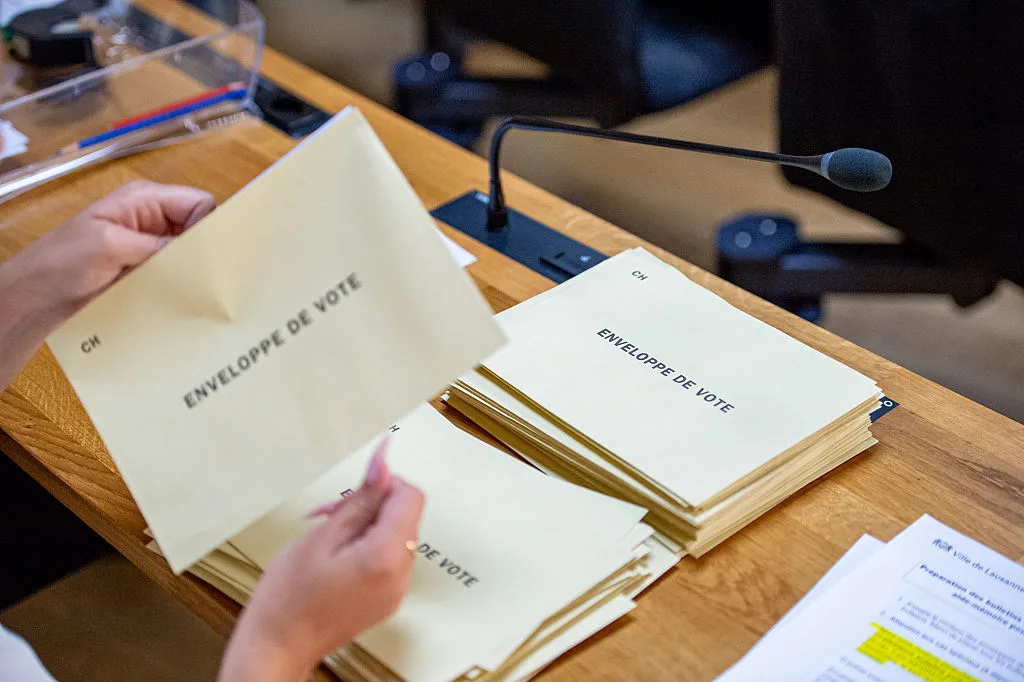
Switzerland’s referendum system is based on direct democracy, allowing citizens or political groups to trigger a nationwide vote by collecting 50,000 signatures within 100 days to challenge legislation passed by parliament.
The SVP argues that the initiative responds to population growth driven primarily by immigration rather than natural increase.
Switzerland’s fertility rate stands at around 1.4 children per woman, well below replacement level, yet its population has risen from about 7.25 million in 2002 to more than 9 million today. That is largely due to net migration facilitated by the 2002 bilateral agreements with the EU on free movement.
Although Switzerland is not an EU member, these agreements allow Swiss and EU citizens to live and work in each other’s territories. Since their introduction, migration flows have increased, supported by strong labour demand, higher wages and attractive working conditions.
According to the SVP, this demographic growth is placing pressure on housing, transport, public services, and the environment. In this context, “sustainability” is framed in demographic and political terms, focusing on limiting population growth to preserve quality of life and resources.
The proposal is firmly opposed by a broad coalition including the federal government, parliament, business associations, trade unions,and cantonal authorities. They all warn of significant economic risks and potential damage to Switzerland’s relationship with the EU.
Justice minister Beat Jans has said the measure could threaten “prosperity, internal security and Switzerland’s humanitarian tradition”.
The vote is being closely monitored in Brussels, where officials warn that any restriction on free movement could have implications for Switzerland’s access to the EU single market, which is underpinned by a network of bilateral agreements.
The European Commission has repeatedly stressed that free movement is a core pillar of the relationship, warning that undermining it could destabilise the broader framework.
Polls indicate a deeply divided electorate. A Leewas survey published on April 29, 2026 showed a slight lead for supporters of the initiative (52 per cent in favour versus 46 per cent against), while an SRG poll released later on May 8 pointed to an almost even split at 47 per cent to 47 per cent, underscoring the uncertainty ahead of the vote.