The European Union and Canada announced an agreement allowing Ottawa to join a €150 billion European defence financing programme called Security Action for Europe (SAFE).
“In these geopolitically turbulent times, it [SAFE] is a means to increase co-operation, meet defence targets and spend better, as we address short-term urgency and long-term needs,” European Commission President Ursula von der Leyen and Canadian Prime Minister Mark Carney said in a joint statement yesterday, AFP reported.
The deal marks the first time a country outside of Europe will formally participate in the joint military procurement initiative.

There have been months of detailed negotiations, which began after Carney signed an overarching defence-security partnership with the EU in June, according to the Canada Broadcasting Company (CBC).
Von der Leyen and Carney welcomed the accord giving Canada the right to participate in the programme, calling it “the next step in our deepening co-operation and symbolic of the shared priorities of the European Union and Canada”.
“Together, we will create resilient defence supply chains between our industries at a crucial time for global security,” they said.
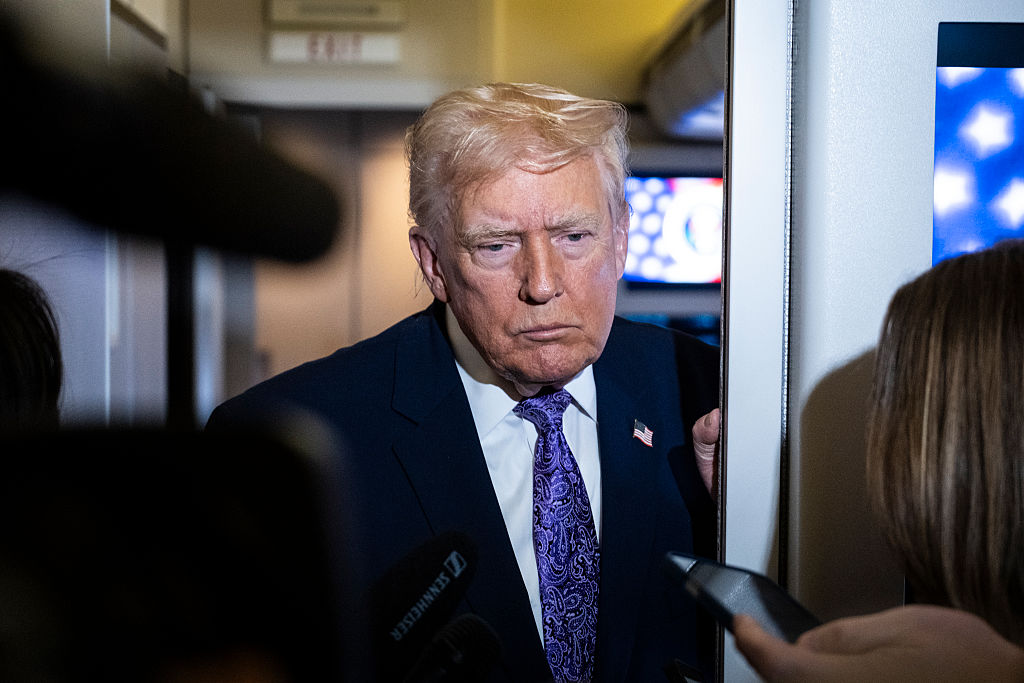
US President Donald Trump’s actions — including launching a trade war and suggesting Canada become the 51st US state — infuriated Canadians and created the political environment for Carney to win the job of Prime Minister in March after promising to confront what he called Trump’s increased aggression, according to CBC.
Carney’s government continues to review the purchase of US F-35 fighter jets to explore other options, The Independent reported.
The Canadian PM has said the potential for having more production in Canada is a factor. A proposal by Sweden’s Saab promised that assembly and maintenance of the Saab Gripen fighter jet would take place in Canada.
“Canada’s participation in SAFE will fill key capability gaps, expand markets for Canadian suppliers, and attract European defence investment into Canada,”Carney said.
The SAFE programme aims to provide loans to participating countries on favourable terms to jointly purchase weapons alongside other partners, AFP reported.
Those taking part have to contribute financially to the scheme.
Canada has said it will meet NATO’s military spending guideline by early next year.
Talks on the UK joining the SAFE fund ended without agreement on November 28. Negotiations foundered over money, with Europe demanding more for Britain’s participation than the UK was willing to pay, according to The Independent.
London announced its efforts to be part of SAFE – which would have been lucrative for UK arms manufacturers – had failed.
The joint arms projects under SAFE must have a minimum 65 per cent of their components produced within the EU’s 27 member nations but partner countries such as Canada could be granted exemptions, AFP reported.
The EU is looking to bolster its defence industry to counter a mounting military threat from Russia, alongside a US disengagement from Europe.


