Four European Union nations have pulled out of the Eurovision Song Contest after organisers opted not to vote on Israel’s future participation, allowing it to take part in next year’s event, AFP reported.
Ireland, the Netherlands, Slovenia and Spain yesterday announced their withdrawal from Eurovision 2026 following confirmation of Israel’s participation, according to The Independent.
Slovenian broadcaster RTV stated its decision was made “on behalf of the 20,000 children who died in Gaza”.

They were among a number of countries who had called for Israel to be excluded over the war in Gaza, as well as accusations of unfair voting practices, the BBC reported.
Spanish national broadcaster RTVE led calls for a secret ballot on the issue at a meeting in Geneva. It said organisers denied that request – a decision that “increased [our] distrust of the festival’s organisation”.
Spain is one of Eurovision’s “Big Five” countries along with France, Germany, Italy and the UK.
Their artists are allowed straight into the final, as their broadcasters provide the largest financial contribution to the European Broadcasting Union (EBU).
Ireland’s national broadcaster RTÉ said it felt that its “participation remains unconscionable given the appalling loss of lives in Gaza and the humanitarian crisis there which continues to put the lives of so many civilians at risk”.
Opposition to the war in Gaza had led to mounting calls for Israel to be excluded from the annual contest. There were suspicions, too, about the manipulation of the voting system to favour Israel at last year’s event, according to AFP.
Approximately 50 broadcasters, including the BBC, attended a meeting of the EBU yesterday to discuss the future of the contest, which is watched by more than 150 million people each year.
They were asked to back new rules intended to discourage governments and third parties from organising voting campaigns for their acts, after allegations that Israel unfairly boosted its entrant, Yuval Raphael, at this year’s contest.
BBC News understands that voting to accept those measures was tied to a clause whereby members agreed not to proceed with a vote on Israel’s participation.
But the EBU said after the meeting that there had been “clear support” among members for reforms implemented to “reinforce trust and protect neutrality”, AFP reported.
“This vote means that all EBU members who wish to participate in the Eurovision Song Contest 2026 and agree to comply with the new rules are eligible to take part,” the EBU said.
“A large majority of members agreed that there was no need for a further vote on participation and that the Eurovision Song Contest 2026 should proceed as planned, with the additional safeguards in place,” it added.
Martin Green, director of the Eurovision Song Contest, said he was “pleased” that members had been given an “opportunity to debate” Israel’s place in the contest before the vote, according to the BBC.
“It was a full, frank and honest and quite moving debate, but as we can see from the emphatic result, they really came together on a belief that the Eurovision Song Contest shouldn’t be used as a political theatre, it must retain some sense of neutrality,” he said.
Israel’s participation in the 2024 competition, held in Malmo, Sweden in May, attracted criticism in the wake of the worsening humanitarian situation in Gaza, The Independent reported.

Ahead of that event, UK entry Olly Alexander and Ireland’s Bambie Thug, along with other Eurovision artists, released a joint statement backing “an immediate and lasting ceasefire” in Gaza but refused to boycott the event.
Yesterday, Alfonso Morales, the secretary general of RTVE, said.”The situation in Gaza, despite the ceasefire and the approval of the peace process and the use of the contest for political goals by Israel, makes it increasingly difficult to keep Eurovision a neutral cultural event.”
Dutch broadcaster Avrotros said a Dutch presence at next year’s event “cannot be reconciled with the public values that are fundamental to our organisation”.
A statement from Icelandic broadcaster RUV posted on its website said: “The board of RUV will discuss on [December 10] whether Iceland will participate in the competition next year, despite Israel’s participation,” AFP said.
Iceland had previously threatened to withdraw.
Belgium, Finland and Sweden had also said they were considering a boycott over the situation in Gaza.
But yesterday evening, Sweden’s public broadcaster SVT said it backed the new rule changes and understood that next year’s host country Austria took the security concerns seriously.
“Therefore, SVT will participate in Eurovision next year,” it added.
Israel’s President Isaac Herzog welcomed the EBU decision and said his country “deserves to be represented on every stage around the world”.
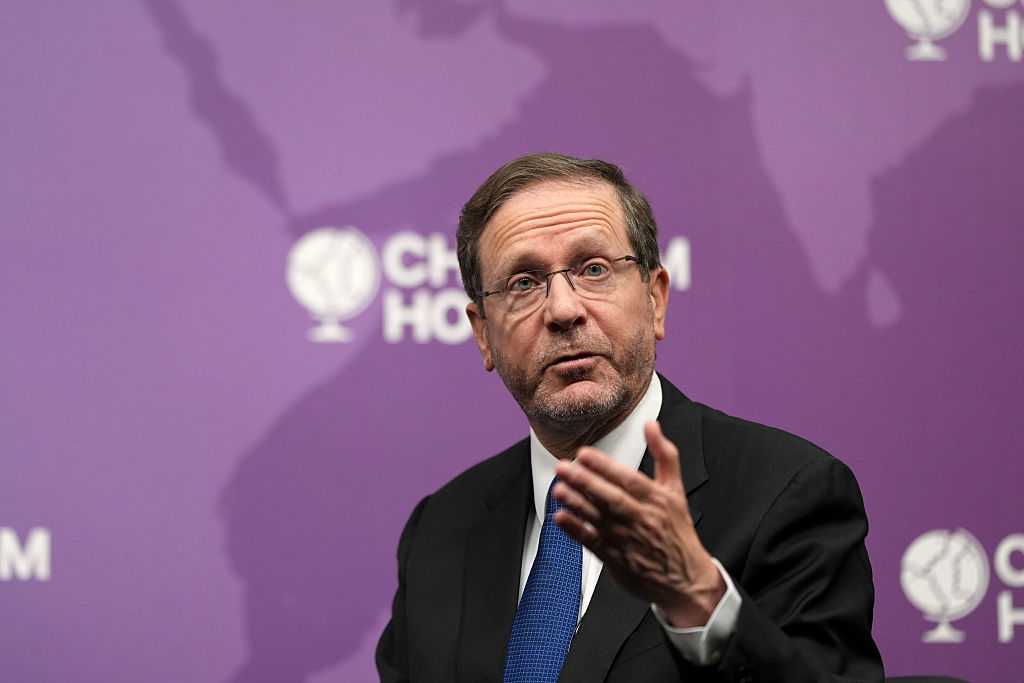
Foreign minister Gideon Saar also welcomed the news in a post to X.
“I am ashamed of those countries that chose to boycott a music competition like Eurovision because of Israel’s participation,” he added.
“The disgrace is upon them.”
In the run-up to the meeting, held behind closed doors and under tight security in Geneva, EBU members appeared divided on the issue, with Israel winning support notably from Germany.
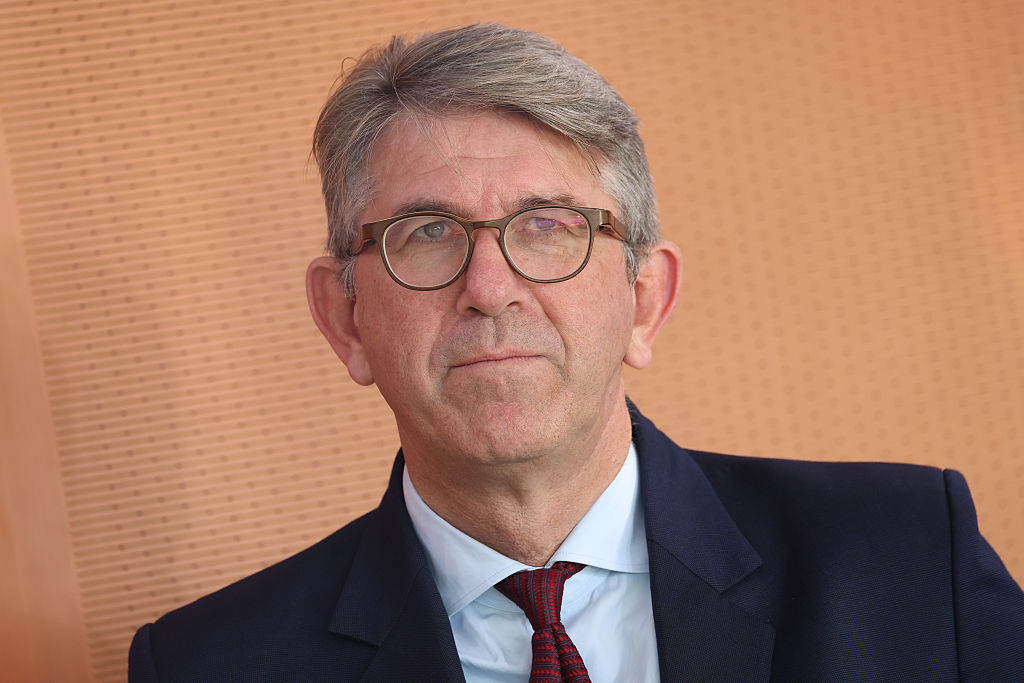
“Israel is part of Eurovision just as Germany is part of Europe,” Germany’s culture minister Wolfram Weimer said, according to Bild.
The CEO of Israeli broadcaster KAN, Golan Yochpaz, said the attempt to disqualify its entry this year “can only be understood as a cultural boycott”, according to the BBC.
“A boycott may begin today – with Israel – but no-one knows where it will end or who else it may harm,” he said.
“Is this what we truly want this contest to be remembered for on its 70th anniversary?”
The BBC, which broadcasts Eurovision in the UK, said: “We support the collective decision made by members of the EBU. This is about enforcing the rules of the EBU and being inclusive.”
Eurovision voting arrangements came under scrutiny after Israel’s Raphael – a survivor of Hamas’ October 7, 2023 attack – surged into second place after the public vote at the latest edition earlier this year.
Similar concerns about voter manipulation were raised in 2024 when Israel’s Eden Golan was catapulted into fifth place despite lacklustre scoring from national juries.
Eurovision entries are scored first by professional juries, then the public by phone, text or online, which often radically alters the leader board, AFP reported.
Countries cannot vote for their own entry, but Avrotros accused Israel of “proven interference” at the last event this year by lobbying the public overseas to vote for it.
Austria’s ORF – host of the next competition – hailed yesterday’s decision, while German broadcaster ARD said it was “looking forward to participating” next year, “embracing it as a celebration of cultural diversity and solidarity”.
It added: “At the same time, we deeply regret the decisions of individual EBU members to withdraw from the ESC 2026 but, of course, respect the choices made by the respective broadcasters.”


