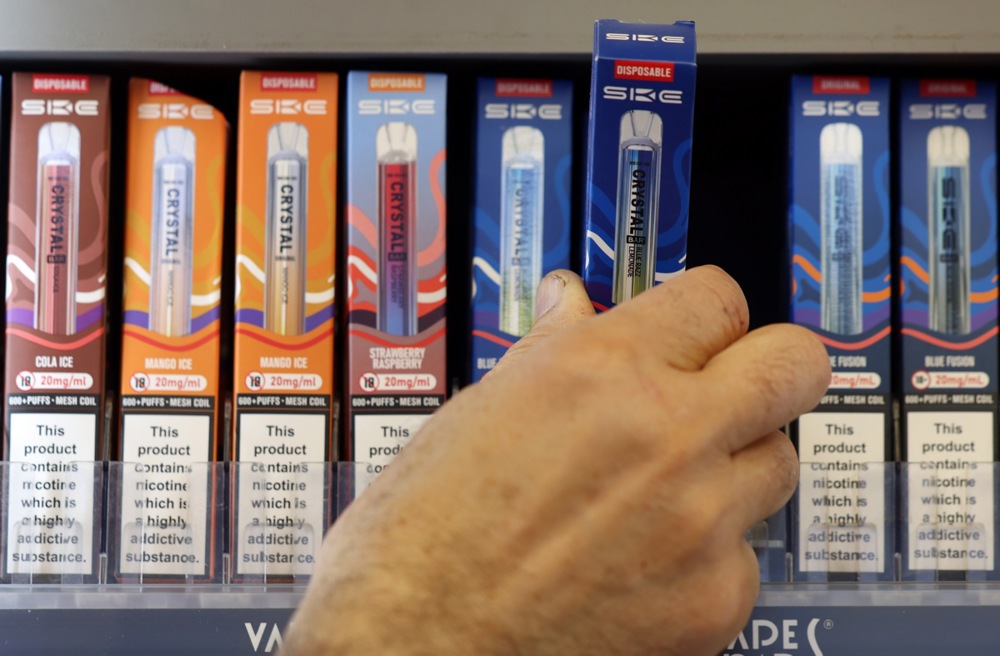
A coalition of international tobacco sector companies, including packaging, transport and agriculture, has issued a strong warning to the European Commission.
They urged the European Union not to press ahead with proposed excise-duty hikes under the review of the Tobacco Excise Directive (TED).
In a letter addressed to EC President Ursula von der Leyen and Commissioner Wopke Hoekstra, seen by Brussels Signal, the signatories express alarm at the planned reforms. They fear the changes could devastate the European tobacco and nicotine products industry in exchange for only limited gains for public health.

The letter, signed by dozens of companies, paints a picture of a sector deeply embedded in the European economy.
According to the signatories, the industry contributes some €224 billion to EU-27 GDP — more than telecommunications and textiles combined — and supports 2.1 million jobs, from farming and processing through to R&D and retail.
They warn that by lumping cigarettes, fine-cut tobacco, vapes, heated tobacco and nicotine pouches into a one-size-fits-all tax regime, the EC risks undermining competitiveness, innovation and employment.
In their letter, the industry representatives say Europe faces a crossroads. With volatile supply chains, fragile growth and geopolitically driven economic competition, the bloc cannot afford to strangle entire sectors under a blunt tax framework.
At the heart of the concern is the direction taken by the EC’s July 2025 proposal to update the TED.
The revision would lift the minimum excise on cigarettes by as much as 140 per cent, while fine-cut tobacco, vapes, pouches and heated-tobacco products would also face steep increases.
This would remove the possibility for member states to calibrate tax rates according to product risk, the signatories say. That, they argue, would undermine efforts to promote less harmful alternatives and discourages harm-reduction strategies.
According the EC, the reform is long overdue. The current TED dates from 2010 and does not reflect the profound changes in product markets, from the rise of e-cigarettes to heated tobacco and nicotine pouches.
Under the proposal, minimum tax rates would be adjusted based on general price levels in each member state to reduce disparities across the internal market.
The reform is billed as a key pillar of the EU’s public-health ambitions, notably the target set in the Europe’s Beating Cancer Plan to push adult smoking prevalence below 5 per cent by 2040.
As such, duties on traditional tobacco products and novel nicotine products would be subject to stricter harmonised taxation from 2028, following a transitional period.
The signatories of the letter say they support the 5 per cent goal of the EU, but do not believe in higher taxes.
Supporters of the reform argue that a unified approach is needed to prevent exploitative pricing by cross-border traders and to protect public health across the EU.
The letter’s authors and other opponents caution that the tax hikes could backfire, particularly by fuelling illicit trade and undercutting national revenues.
In 2024 alone, they claim, around 52 billion illicit cigarettes were consumed across Europe’s 38 monitored markets — resulting in €19 billion in lost tax revenue, about 15 per cent of total tobacco tax intake.
They argue that pushing up the cost of both traditional and “reduced-risk” products would not steer consumers away from smoking but rather drive them to black-market alternatives, often of dubious quality and legality.
Moreover, the signatories highlight that excessive duty burdens would disproportionately affect lower-income consumers and member states with weaker economies.
This, in turn, might aggravate social inequalities and damage small and medium enterprises that rely on tobacco, nicotine-product distribution and manufacturing.
In addition, they claim the harmonisation undermines national fiscal sovereignty.
Brussels Signal reached out for a reaction to the EC but had not received a reply by the time of publication.
With the proposed tax revenues contributing to the EU budget, individual member states would lose control over taxation, the letter warns, a core national prerogative. This concern echoes previous objections from several national governments.
The debate is already generating friction among EU capitals. According to earlier reporting, the presidency of the Council of the European Union — currently held by Danish Government — is pushing for particularly aggressive tax increases and broad definitions that would cover virtually all nicotine-containing products.
The Danish-led draft reportedly abandons the EC’s earlier dual-tax system that allowed both per-item and per-kilogramme taxation. Instead, it favours a kilogram-based minimum duty that would treat heated-tobacco products the same as cigarettes.
Meanwhile, the ongoing policy review has stirred wider concerns around the influence of non-governmental organisations.
As one Brussels Signal report revealed in February, the EC has funded health-oriented NGOs that subsequently lobbied against industry — raising questions about transparency and fairness in stakeholder involvement.
Leaked negotiating documents from the Council of the European Union’s Danish Presidency have exposed a controversial bid by the Danish Government and the European Commission to impose new tobacco rules. https://t.co/LnbCH4nBJU
— Brussels Signal (@brusselssignal) November 24, 2025