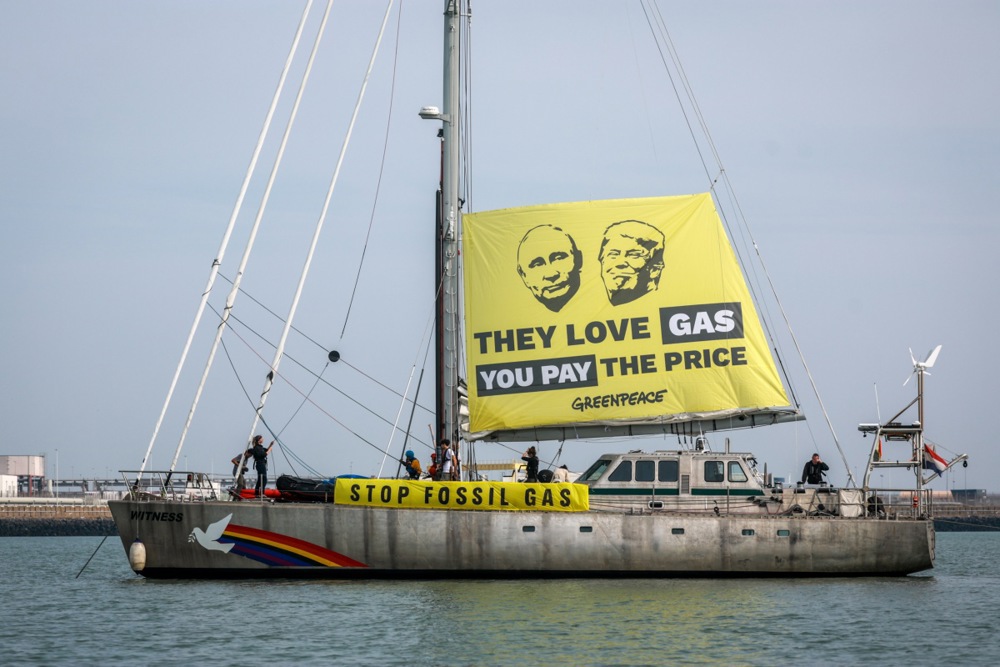
European Union imports of Russian liquefied natural gas (LNG) generated an estimated €7.2 billion in revenue for Moscow in 2025, according to new analysis by German environmental NGO Urgewald.
The figures relate specifically to shipments from Russia’s Yamal LNG project, which continued to supply large volumes of gas to European ports despite the EU’s bans on Russian energy imports.
According to Urgewald yesterday, European buyers imported around 15 million tonnes of LNG from Yamal last year, out of the project’s total output of 19.7 million tonnes. That amounted to about one in every seven LNG tankers arriving in Europe in 2025.

“While Brussels celebrates the latest agreement to phase out Russian gas, our ports continue serving as the logistics lung for Russia’s largest LNG terminal, Yamal,” said Sebastian Rötters, sanctions specialist at Urgewald.
EU imports of Russian LNG have risen steadily in recent years, according to Ana Maria Jaller-Makarewicz, lead energy analyst at the Institute for Energy Economics and Financial Analysis (IEEFA).
“Imports in 2025 were 38 per cent higher than in 2021, the year before Russia’s full-scale invasion of Ukraine,” she told Brussels Signal.
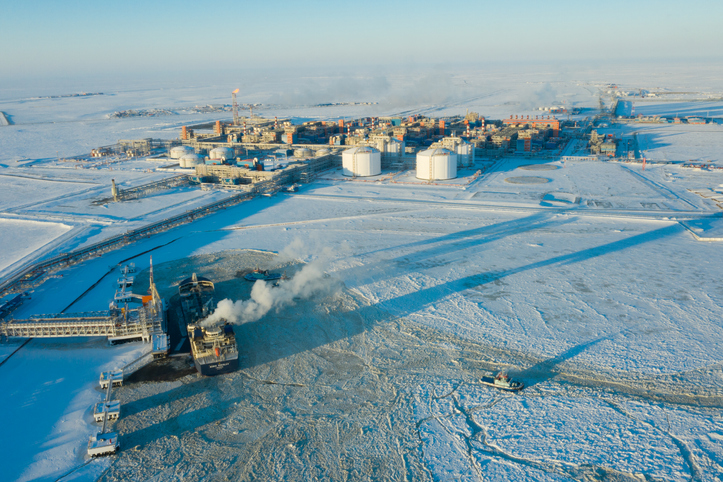
Urgewald’s analysis focuses on Yamal LNG, Russia’s largest liquefied gas project, located on the Yamal Peninsula in the Arctic. The project extracts gas from the South Tambey field and liquefies it for export using three large processing units, plus a smaller fourth train.
France was the main EU destination for Yamal LNG. French ports received 87 ships carrying 6.3 million tonnes of gas, delivered to terminals at Dunkirk and Montoir.
Belgium followed, with its Zeebrugge terminal handling 58 tankers carrying 4.2 million tonnes — more than China, which received 51 cargoes totalling 3.6 million tonnes.
Spain imported 38 shipments carrying 2.8 million tonnes, down from 58 tankers the previous year, according to industry data from UK-based media platform for the industrial gas industry Gasworld.
The European Council and Parliament reached a provisional agreement in December to ban Russian LNG imports from April 2026 and pipeline gas from June 2026. Full bans on long-term contracts are due to take effect in 2027.
An earlier EU ban on the trans-shipment of Russian LNG, approved in June 2024, slowed onward exports from EU ports but did not prevent cargoes from being unloaded and used within Europe. Total volumes have started to decrease only in recent months.
Long-term supply contracts have also remained in place. Agreements such as Belgium’s deal between terminal operator Fluxys and Yamal LNG have not yet been fully terminated or legally challenged.
Russian pipeline gas deliveries to the EU had already collapsed in 2022, after Moscow cut supplies following its invasion of Ukraine. This forced European buyers to rely more heavily on LNG, including shipments from Russia.
The late 2025 slowdown was linked to rising imports of US LNG, which replaced some Russian volumes and reduced Russia’s share of Europe’s LNG market.
Jaller-Makarewicz noted, though, that imports from Yamal reached 2.3 billion cubic metres in December 2025 alone, a 9 per cent increase compared with the same month the previous year.
Russian gas transit via Ukraine ended on January 1, 2025, when the transit agreement expired and was not renewed, she added. Pipeline flows to the EU, though, have continued via Turkey.
“Several European companies still have long-term LNG contracts with Yamal LNG,” Jaller-Makarewicz said.