Germany’s decision to shut down all its nuclear power plants was a “huge mistake” and has come at a high cost to the economy, Chancellor Friedrich Merz said yesterday, speaking to the German Chamber of Industry and Commerce in Dessau.
His comments reignited debate over the country’s long-term energy strategy and power generation capacity.
“It was a serious strategic mistake to phase out nuclear energy … we simply don’t have enough energy generation capacity,” Merz said.

Germany’s energy system now relies on state intervention to keep prices at acceptable levels.
“To have acceptable market prices for energy production again, we would have to permanently subsidise energy prices from the federal budget,” Merz said, adding: “We can’t do this in the long run.”
Germany’s nuclear phase-out was accelerated following the Fukushima nuclear disaster in Japan in March 2011. The government led by then-chancellor Angela Merkel moved to speed up an exit plan that had first been adopted in 2000. The policy aimed to reduce nuclear risks while advancing the Energiewende, or “energy turnaround”, Germany’s energy transition centred on renewables.
Merz said the decision to exit nuclear power had long-term strategic consequences.
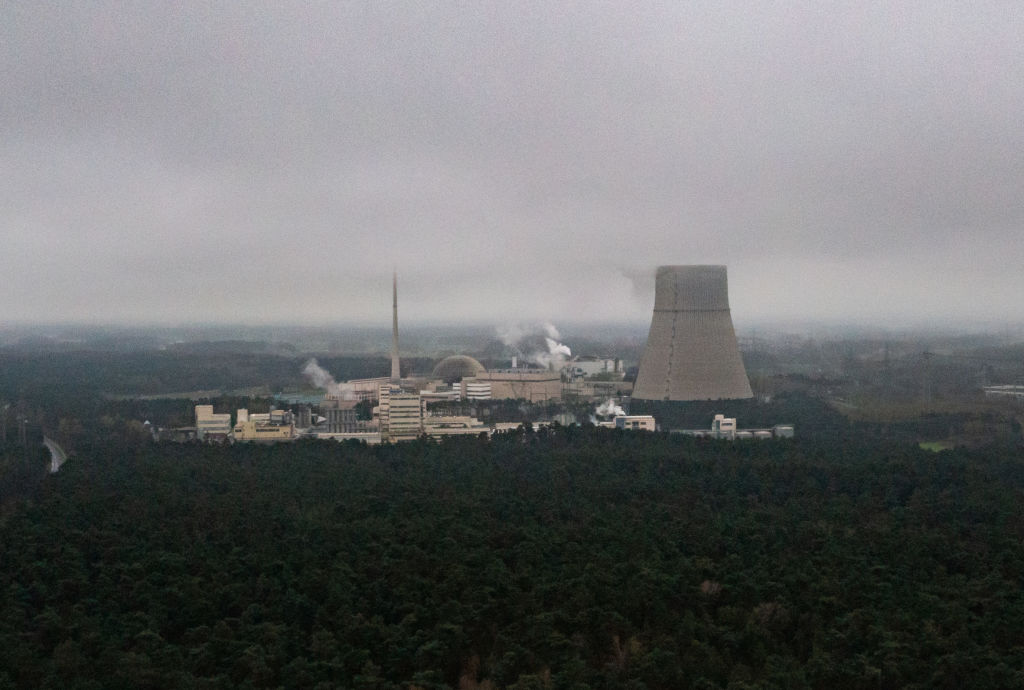
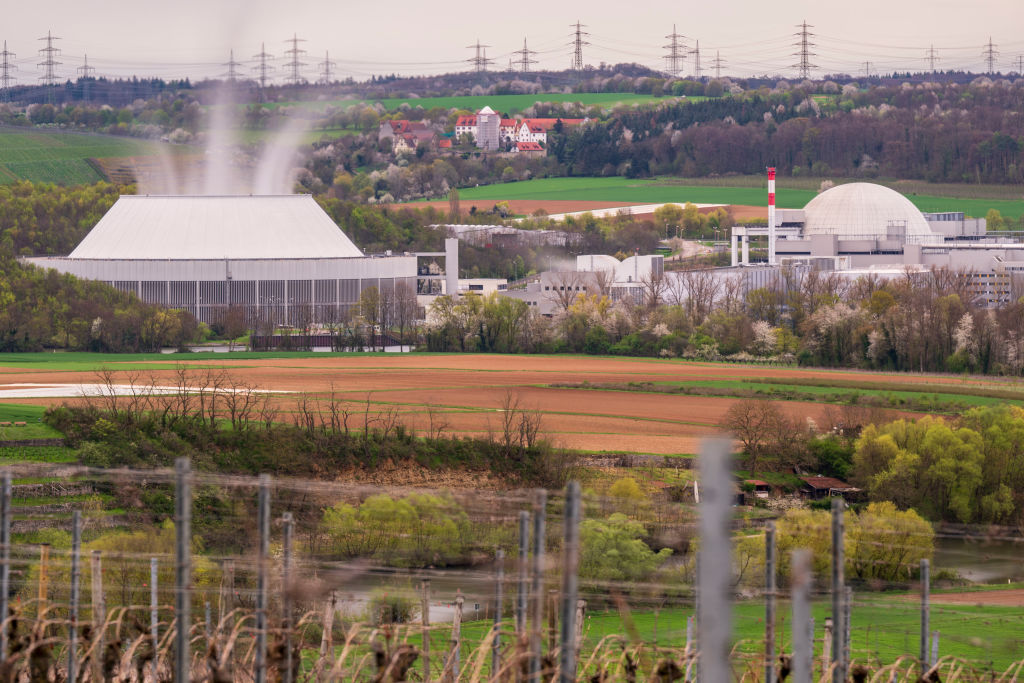
Over the 2010s, Germany progressively shut down its nuclear fleet. The phase-out concluded in April 2023, when the final three reactors — Isar 2, Emsland and Neckarwestheim 2 — were permanently taken offline, ending about six decades of nuclear electricity generation.
The closures came amid Europe’s energy crisis following Russia’s invasion of Ukraine. Despite renewed debate about nuclear power’s role in energy security, the remaining reactors’ operating lives were extended by only three months before being shut down.
Merz said Germany should at least have retained its last remaining nuclear capacity during that period.
“If you are going to do it, you should at least have left the last remaining nuclear power plant in Germany on the grid three years ago, so that you at least have the electricity generation capacity that we had up until then,” he said.
He added that the nuclear exit had contributed to high costs and complexity in Germany’s energy transition.
“So we are now undertaking the most expensive energy transition in the entire world,” he said. “I know of no other country that makes things so expensive and difficult as Germany.”
The nuclear phase-out, endorsed by successive governments, has been criticised by opponents as complicating Germany’s goal of achieving climate neutrality by 2045.
Although Merz has argued that Germany should have retained nuclear capacity, restarting permanently shut reactors is widely considered unfeasible.
According to German energy news portal Clean Energy Wire, once reactors are permanently shut down they are de-fuelled, safety systems are dismantled or deactivated and key components begin to degrade without active maintenance.
In Germany, the last nuclear plants have been fully de-fuelled and partially dismantled, meaning any restart would require rebuilding large sections of the facilities.
Merz said the current government faced the consequences of past decisions.
“We inherited something that we now have to correct,” he said, adding: “But we simply don’t have enough energy generation capacity.”
Regulatory barriers further complicate any revival. Operating licences are permanently revoked once decommissioning begins and restarting reactors would require new approvals, full safety reviews and compliance with modern nuclear standards.
Public opposition to nuclear energy also remains strong, especially in Germany, according to Clean Energy Wire.
The World Nuclear Association has said costs present another major obstacle, with restart estimates running into hundreds of millions or even billions of euros for retrofits, safety upgrades and staffing.
With Germany’s heavy investment in renewables, electricity imports from neighbouring countries and European Union emissions rules, restarting old reactors is generally considered economically unattractive.
Some political voices argue that maintaining nuclear power — or investing in new reactors — could have provided greater energy independence or price stability.
France is often cited as an example. It generates about 65 per cent to 70 per cent of its electricity from nuclear power, producing a largely low-carbon electricity mix and reducing reliance on imported fossil fuels.
It is also planning to build at least six new reactors by the mid-2030s, although high construction costs have pushed up prices in recent years.
In Germany, Merz’s Christian Democratic Union (CDU) party has proposed examining whether the most recently shut reactors could be technically reactivated and has expressed support for advanced nuclear technologies, without presenting a concrete plan to restart plants.
The Greens remain firmly opposed to nuclear power and consider the phase-out irreversible, while the Alternative for Germany (AfD) party has been among the strongest advocates for restarting or expanding nuclear capacity.