The right-wing Alternative for Germany party (AfD) has achieved its best result ever in a major election in Western Germany.
At the state parliament elections in Rhineland on March 22, the AfD more than doubled its share of the vote to a final tally of 19.5 per cent.
The winner of the evening was the Conservative Christian Democratic Union (CDU), which received 31 per cent – a plus of three percentage points.

The Social Democratic Party (SPD), currently governing the state in a coalition with the Greens Party and the Free Democratic Party (FDP), was obliterated, losing almost 10 percentage points down to 25.9 per cent, its worst result in Rhineland ever.
The Greens Party lost 1.4 percentage points and received 7.9 per cent of the vote. The FDP dropped to barely two per cent of the vote and will no longer have any seats in the state’s parliament in Mainz.
RHEINLAND-PFALZ | Vorläufiges Endergebnis der Landtagswahl
CDU: 31,0% (+3,3)
SPD: 25,9% (-9,8)
AfD: 19,5% (+11,2)
GRÜNE: 7,9% (-1,4)
LINKE: 4,4% (+1,9)
FW: 4,2% (-1,2)
FDP: 2,1% (-3,4)
BSW: 1,9% (NEU)
Tier: 1,6% (-0,1)
Volt: 1,1% (+0,1)
…Änderungen zu 2021#ltwrp #ltwrlp pic.twitter.com/y1Jqo3RTLu
— Deutschland Wählt (@Wahlen_DE) March 22, 2026
The right-wingers were especially popular with workers, 37 per cent of whom voted for AfD, compared to only 22 per cent for the SDP. This mirrors similar results in the state elections in Baden-Württemberg two weeks previously.
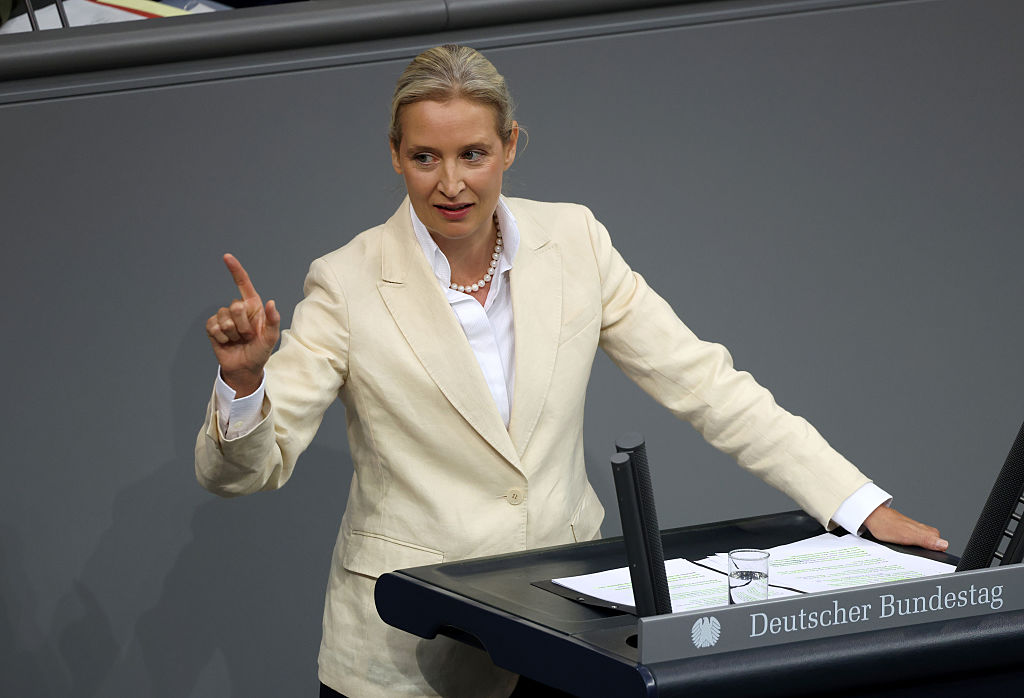
Sebastian Münzenmaier, an AfD MP from Rhineland, said: “Whether in Baden-Württemberg or in the Rhineland: Nobody needs the SPD. The party of the workers is AfD.”
Münzenmaier also noted that his party was leading among young voters under 25 years of age.
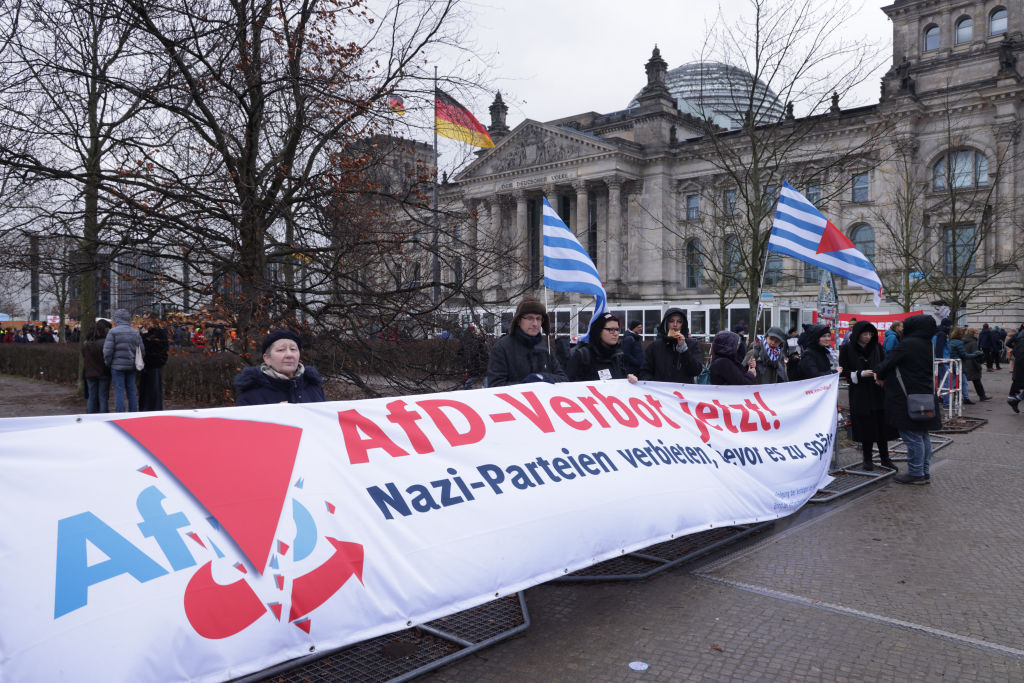
While in power the SDP had done everything they could to keep the right-wingers down – such as trying to ban AfD members from civil service or banning AfD candidates from running for the office of mayor in the state.
Despite its rising popularity, though, the AfD will almost certainly not be part of the future government coalition in the Rhineland. The CDU had already excluded any co-operation with the right-wingers ahead of the election – leaving the left-wing SDP as the only possible coalition partner.
After the CDU victory became clear late on March 22, the conservative’s state leader Gordon Schnieder said he would start coalition talks with SPD – saying he wanted to focus on the state’s desolate education and health systems.
“These are the topics that are really weighing on people, where we have become a loser state,” Schnieder said.
AfD leader Tino Chrupalla urged the CDU to rethink its fixation on the cordon sanitaire that excludes any co-operation with the right-wingers:
“The CDU needs to consider that in the end it will once again be led by the nose by the SPD. It must explain how it intends to pursue conservative, middle-class politics at all,” Chrupalla said.
In the end, the citizens of Rhineland may not get much of the change they voted for. As political blogger Frankfurt Zack wrote on X: “This is the German version of a ‘change of government’: The SPD remains in power, just with two ministers fewer or so. The proportional representation system is unfortunately a serious design flaw.”