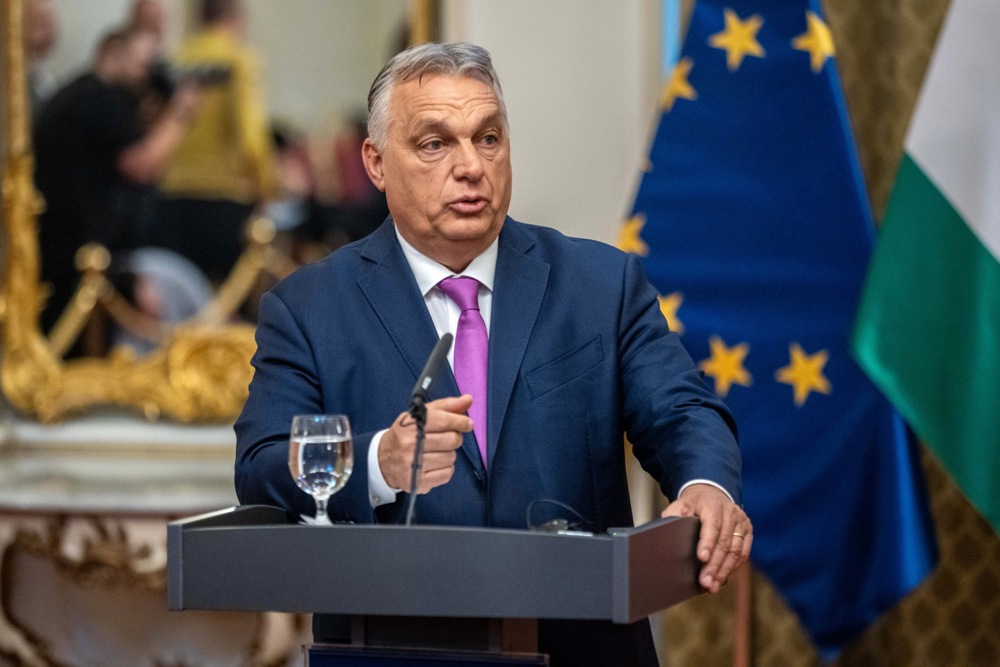
Hungarian Prime Minister Viktor Orban lashed out on Monday at allegations in the Washington Post newspaper that his foreign minister had passed sensitive information about European Union negotiations to Russia.
On Saturday, the US media outlet quoted several serving or former European security officials as saying Foreign Minister Peter Szijjarto regularly called Russian counterpart Sergey Lavrov during breaks in EU ministerial meetings to give Lavrov “direct reports on what was discussed” and suggest possible courses of action.
“Eavesdropping on a member of government is a serious attack on Hungary,” Orban said on Facebook, adding that he had asked the justice minister to investigate.

The Post’s article did not say that Szijjarto had been wiretapped.
Szijjarto said on Facebook the accusations in the Post were “senseless conspiracy theories”.
He accused “one or more foreign intelligence agencies” of engaging in “surveillance, with the active cooperation of a Hungarian journalist” whom he did not name.
He accused Ukraine of being involved.
The Post’s article also alleged that Russian services may have considered influencing the campaign for the Hungarian parliamentary elections on April 12.
Independent opinion polls say Orban, who supports both US President Donald Trump and Russian leader Vladimir Putin, is in a weak position ahead of the ballot.
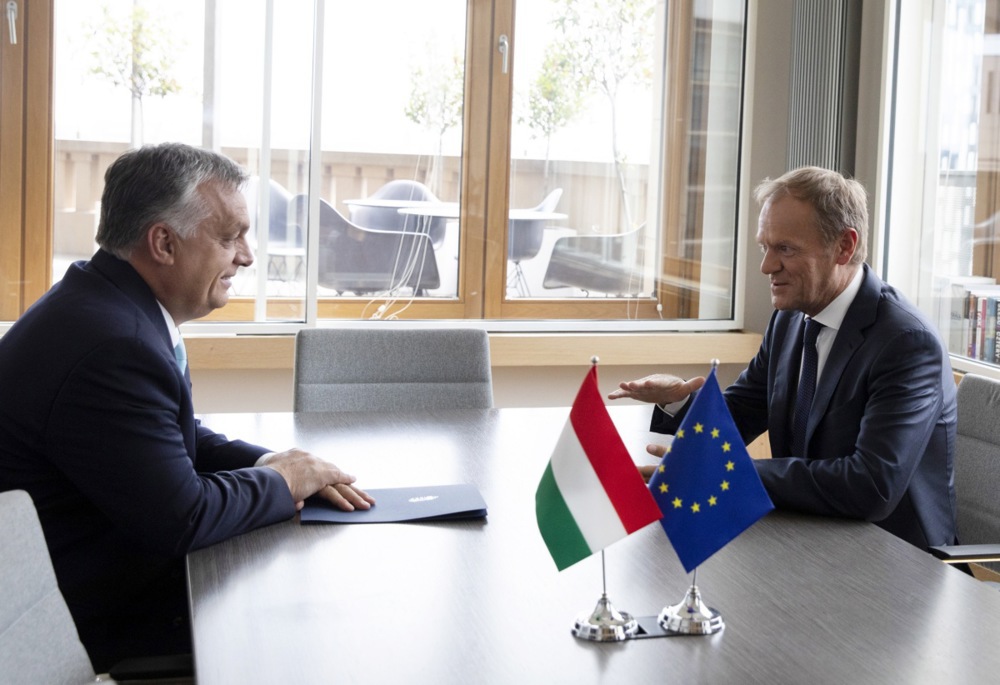
Polish Prime Minister Donald Tusk said the US paper’s article “should not surprise anyone”.
“We have suspected this for a long time,” Tusk said on X on Sunday.
“(This is) one of the reasons why I speak only when strictly necessary and say only what is strictly necessary.”
Hungarian opposition leader Peter Magyar said Szijjarto may have committed treason.
“According to current information, Peter Szijjarto is collaborating with the Russians and betraying Hungarian and European interests.
“These are acts of high treason, punishable by life imprisonment,” Magyar said on Facebook.
A European Union spokeswoman, Anitta Hipper, said the reports were “greatly concerning.”
A “relationship of trust between member states, and between them and the institution is fundamental for the work of the EU and we expect the Hungarian government to provide the clarifications”, she said.