Operators knew from the start that the 2025 Iberian blackout was due to renewable energy, according to audio recordings Spain’s legislature has obtained.
The April 2025 power outage was Europe’s most severe in over 20 years.
A commission of inquiry set up by Spain’s Senate published internal audio recordings from Red Eléctrica operators and electricity companies.

The exchanges started minutes before the outage, which took place at 12:33 CEST.
Operators repeatedly refer to uncontrollable oscillations and voltage variations, which they attributed to photovoltaic (solar) power generation.
In one recording from 12:13, published in Democrata, operators described the situation as critical due to “oscillations by photovoltaics” and “very large variations of photovoltaics”.
These large variations in the solar-generated power were linked to price signals and market exchanges, with few conventional power providers providing inertia in the system.
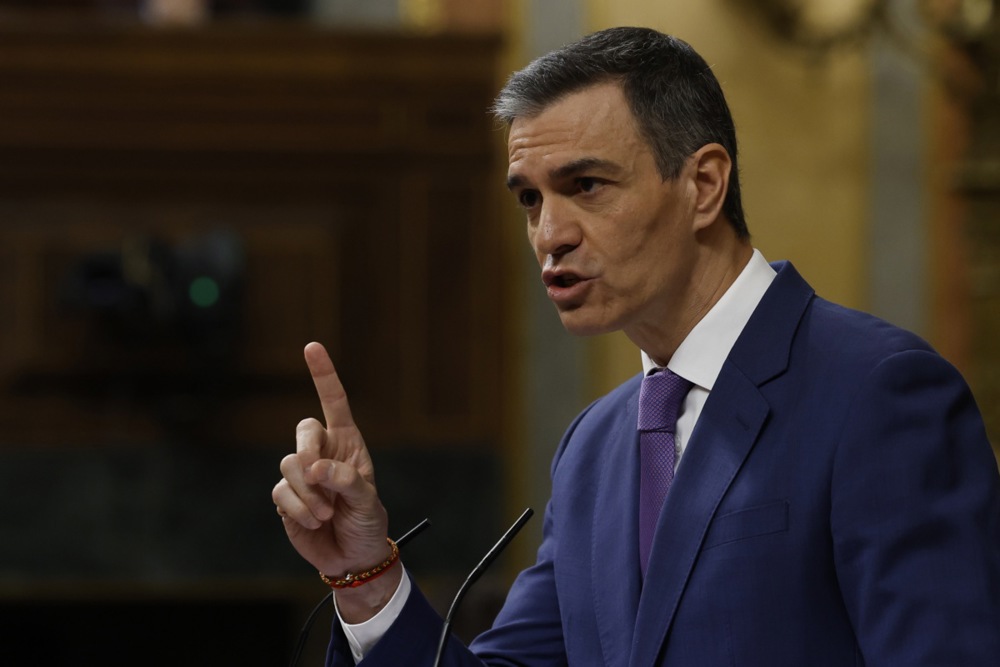
Yet Sánchez’s government has consistently maintained the blackout resulted from multiple interacting factors rather than any single cause.
It claims the system had previously operated under similar renewable-heavy conditions without incident.
Operators issued warnings about voltage fluctuations at multiple substations in Andalusia, including Cañaveral, Pizarroso, Arcos, and Trillo.
At 12:26, an operator warned the Almaraz nuclear plant in Extremadura was “varying a lot” and at risk of tripping.
Moments before the system collapse, a Red Eléctrica technician was recorded saying: “Fuck, fuck, fuck, come on, to hell with it, to hell with it! We are disconnecting.”
This was followed by confirmation that power had been lost.
Further audios which the commission reviewed indicated similar oscillations and voltage issues had been flagged with Red Eléctrica as early as twelve days before the blackout.
Technicians attributing the problems directly to the rapid entry and exit of photovoltaic production.
One operator referred to a “montón de oscilaciones” (a lot of oscillations), and Red Eléctrica reportedly responded the issues stemmed from solar production adjustments.
The Partido Popular (PP), which controls the Senate, said that the commission had finished its investigation.
The party’s senators said the recordings demonstrated the Sánchez government had received prior warnings about grid instability associated with high renewable penetration, but had disregarded them.
The government later sought to downplay the role photovoltaic oscillations played in the outage.
Experts have warned for years Spain’s grid, built for a centralised fossil fuel system, was ill-suited for the decentralised and intermittent nature of wind and solar power.
Yet, successive governments, responding to European Union mandates and green lobbying, have doubled down on meeting renewable targets without matching investments in grid capacity.
Technical investigations, including the final ENTSO-E expert panel report published in March 2026, identified a combination of elements responsible.
One was converter-driven oscillations, including a 0.63 Hz forced oscillation traced to a photovoltaic plant in southern Spain and a 0.2 Hz inter-area oscillation.
Others causes included gaps in voltage and reactive power control, rapid disconnections of generation (with significant contributions from renewable units operating in fixed power factor mode), and cascading effects from both large and small-scale solar installations tripping on over-voltage protection.
The report said renewable generators’ limited dynamic voltage support exacerbated the voltage rise once oscillations began, though it did not attribute the blackout to renewables as the sole or primary trigger.
The Senate commission heard the audio recordings in closed session; the original files were reportedly destroyed, leaving senators to rely on handwritten transcripts.
Red Eléctrica had delayed providing the materials for several months.
The commission’s review establishes that, on the day of the blackout itself, operators managing the grid were explicitly connecting the emerging instability and voltage swings to photovoltaic generation and low system inertia in real time.
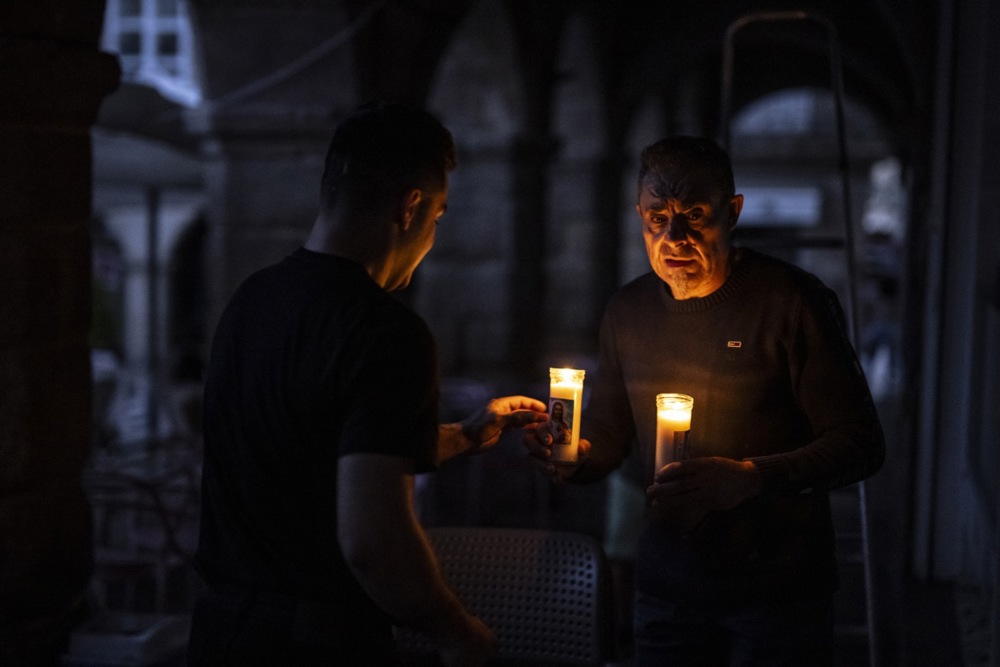
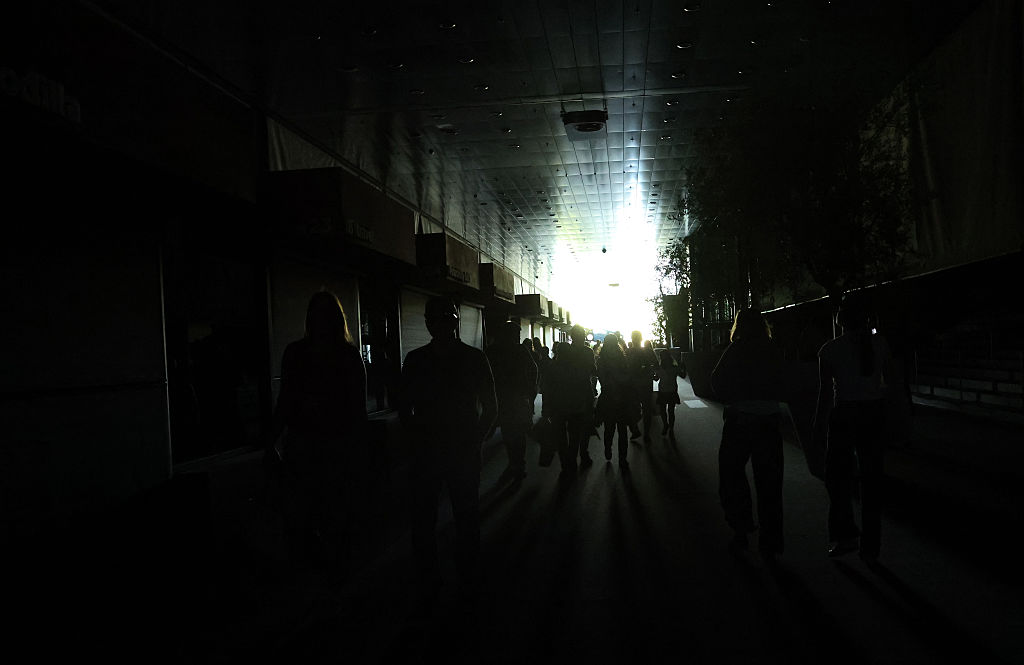
The blackout left tens of millions of Spanish and Portuguese residents without power for periods of up to 16 hours. This loss of power disrupted transport, communications and essential services, and was associated with several deaths.
“Despite the lies and the Government’s attempts to conceal, thanks to some expert appearances and especially to the audios we learned about yesterday and today, we have managed to learn the truth of what happened with the blackout”, the Partido Popular said in a statement.
“The Sánchez Government knew it could happen, disregarded the warnings and then tried to hide that the blackout occurred due to oscillations from photovoltaic power,” said the party.
French President Emmanuel Macron has attributed the major blackout that hit the Iberian Peninsula in April 2025 to Spain’s heavy dependence on renewable energy sources. https://t.co/qvPFLVw8BE
— Brussels Signal (@brusselssignal) February 12, 2026