




The Minister-President of Lower Saxony has suggested that Volkswagen should consider allowing Chinese manufacturers to produce vehicles in underutilised German plants as a way to safeguard jobs amid the carmaker’s ongoing restructuring.
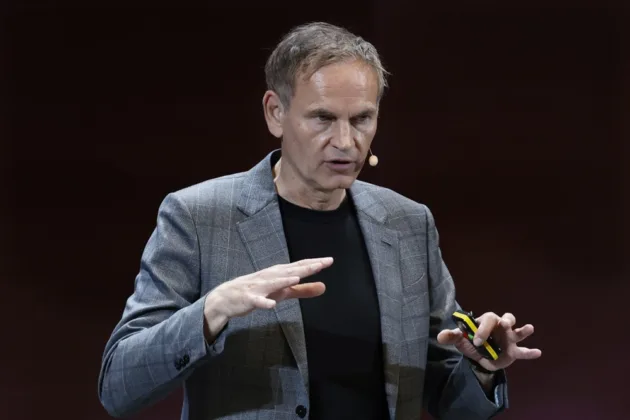
In an interview with the Neue Osnabrücker Zeitung yesterday, Social Democratic Party member Olaf Lies — who also sits on Volkswagen’s supervisory board as representative of the state’s significant stake in the company — argued that converting idle capacity for Chinese brands could be preferable to outright closures or sales of factories.
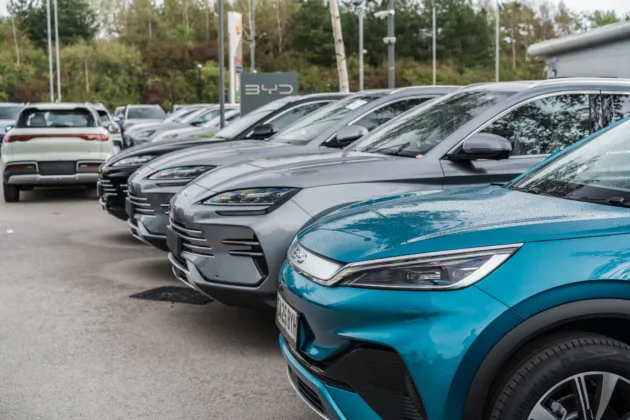
“We will not be able to prevent the Chinese from pushing into our European markets,” Lies said.
“For me, the focus is on securing employment in our plants at Volkswagen.”
His proposal comes as Volkswagen grapples with falling profitability, intense competition from Chinese electric vehicle makers and pressure to cut costs in its domestic operations.
The Lower Saxony Government holds a 20 per cent voting stake in Volkswagen, giving the state considerable influence over the company’s strategic decisions.
Lies’ comments reflect growing concern in the region over potential job losses at sites such as Osnabrück and Dresden, which have been earmarked for reduced production or closure under Volkswagen’s cost-cutting drive.
Lower Saxony’s Volkswagen holding is the second-largest after the Porsche-Piëch holding.
Lies made the remarks following a recent visit to China, where he examined Volkswagen’s extensive operations, which include more than 30 production sites.
He also called for a revision of the national China strategy.
Earlier reports indicated Chinese interest in acquiring Volkswagen facilities slated for closure, particularly the Osnabrück plant, where around 2,300 workers currently produce models including the T-Roc Cabriolet.
Volkswagen has signalled openness to selling such sites while Chinese officials have pushed for reciprocal investment opportunities.
In March 2026, Volkswagen announced plans to cut up to 50,000 jobs in Germany by 2030 after its 2025 operating profit almost halved to €8.9 billion from €19.1 billion the previous year.
Net profit fell sharply amid weak demand in key markets, heavy investment in electrification, and the impact of US tariffs.
The group has reported quarterly losses, explored drastic cost reductions of up to €60 billion and faced analyst recommendations suggesting the closure of most German plants in the long term.
Europe’s largest carmakers Volkswagen and Stellantis have called for subsidies to keep carmaking in the EU as they struggle with challenges from US tariffs to Chinese competition. https://t.co/42DEd1MEdM
— Brussels Signal (@brusselssignal) February 5, 2026