
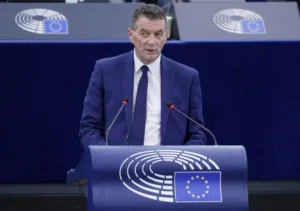


The European Commission has announced it is preparing urgent support measures for farmers across the bloc — after years of green regulations and energy policies that farm groups say have driven production costs to unsustainable levels.
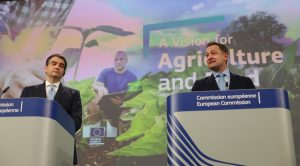
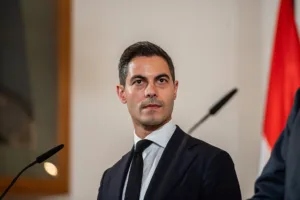
EU agriculture Commissioner Christoph Hansen made the pledge on Monday following a meeting of agriculture ministers in Luxembourg, acknowledging the situation facing the sector was “very serious”.
“In the short term, we are studying relief measures for our farmers, both financial and regulatory,” Hansen said.
The admission came as ministers from across the EU gathered to confront a crisis that has been building for several years. Rising energy prices, soaring fertiliser costs and the regulatory burden of the European Green Deal have combined to make farming in Europe increasingly unviable, particularly for cereal producers.
Those producers, Hansen conceded, can no longer make the numbers add up.
“They need to pay more to produce, but they are not getting a higher price for their products. They are not earning a living from their work,” he said.
A PLAN FOR THE PROBLEMS BRUSSELS HELPED CREATE
The Commission said it would present a fertiliser action plan on May 19, outlining measures to reduce import dependency, increase European production and promote cheaper alternatives.
“Our aim is to reduce dependence on imports, increase domestic production, improve efficiency and promote biological and low-emission fertilisers,” Hansen said.
What the Commissioner did not address directly was how the EU arrived at this point. Europe’s heavy reliance on imported fertilisers — a vulnerability exposed brutally by Russia’s full-scale invasion of Ukraine in 2022 — was well known long before the crisis hit. Prices for nitrogen and potassium-based fertilisers surged after the invasion and, although they have since eased from their peaks, they remain well above pre-war levels.
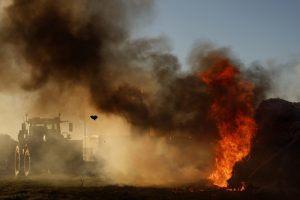
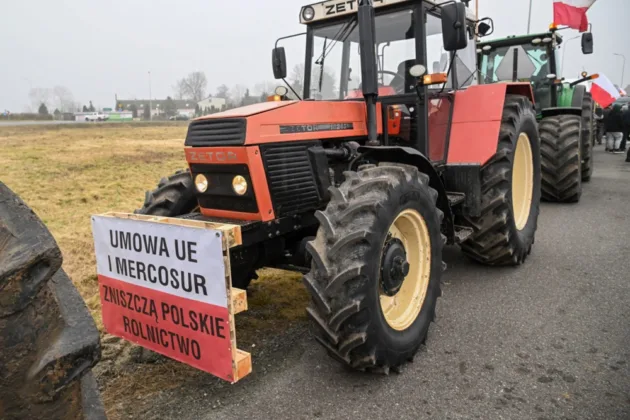
At the same time, Green Deal requirements placed additional compliance costs on farmers, while EU energy policy left the continent exposed to price shocks that fed directly into agricultural production costs. Farm groups in France, Germany, Poland, Belgium and elsewhere responded with tractor blockades and road protests that forced the Commission into a partial reversal of some Green Deal agricultural requirements.
Brussels’ response then was to soften the rules. Its response now is a May 19 plan.
THE CYPRUS PRESIDENCY RAISES THE ALARM
Cyprus, which holds the rotating presidency of the Council of the European Union, used the Luxembourg meeting to warn that the pressures on farming were rippling through the entire supply chain, from production through to logistics.
Without rapid action, the presidency cautioned, the bloc could face consequences for food availability and the stability of the EU single market.
Cyprus agriculture minister Maria Panayiotou said ministers had “explored concrete ways to support farmers, both in the short term and ahead of the next harvest”, adding that member states had committed “to working together to ensure farmers have the tools and resources they need”.
How that commitment translates into concrete funding remained unclear after the meeting. Hansen gave no specifics on what financial instruments would be included in any short-term relief package, saying only that both regulatory and budgetary options were under consideration.
THE CAP QUESTION
The Luxembourg session also served as a staging post for negotiations on the future Common Agricultural Policy (CAP) beyond 2027.
Brussels has proposed a more selective approach to farm subsidies: progressively reducing direct payments and capping what individual recipients can receive, channelling money towards those deemed most in need. Whether that means more support for working farmers or a further shift towards environmental conditionality remains to be seen.
Panayiotou said there was broad agreement among member states on the need for a CAP that is “strong and adequately funded” as a foundation of European food security.
“We must protect the viability of farmers and maintain strong income support,” she said.
Farm organisations have heard similar assurances before. The current CAP cycle was itself sold as a framework that would support rural incomes while advancing green objectives. Critics argue it delivered the green objectives and left the income support wanting.
The May 19 fertiliser plan will be an early test of whether Brussels has drawn the right conclusions — or whether it is once again preparing to offer regulatory tweaks in place of substantive help to a sector that keeps Europe fed.