

Russia has published what it says are the addresses of European companies involved in drone production for Ukraine, portraying them as active elements in the conflict’s defence-industrial supply chain.
The Russian Ministry of Defence released the material on April 15 through its official online channels, including Telegram.
Rather than issuing a formal military document or a classified-style report, the information was presented as a structured public list containing company names, industrial site locations and addresses across several countries, including the UK, Germany, Spain, Italy, Poland and Israel.
Russia said the aim was to make European citizens “aware of the locations” linked to what it described as military support for Ukraine.
The list was reported to include major European defence and aerospace groups, alongside specific industrial facilities, although Moscow did not present public evidence for each allegation.
While Russia has not formally designated any of these sites as military targets, officials have repeatedly argued that western industrial facilities contributing to Ukraine’s defence effort are effectively part of the conflict.
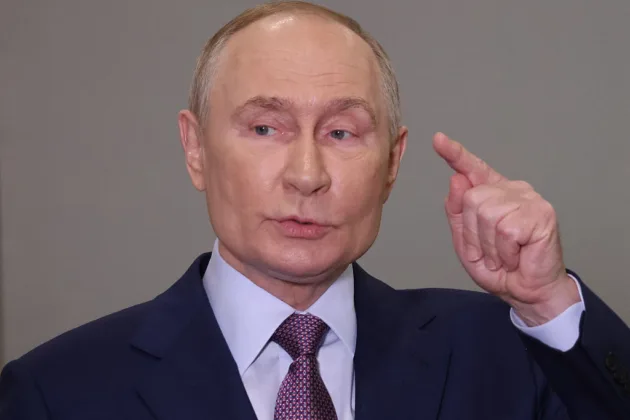
In a further hardening of that rhetoric, Dmitry Medvedev, Deputy Chairman of Russia’s Security Council, said on April 15 that the publication amounted to a list of “potential targets”. He added that whether any strikes became a reality would depend on future developments.
European governments and analysts, though, are likely to view the disclosure of precise addresses as a form of pressure and intimidation, raising concerns that it could increase risks for defence contractors and other critical industrial sites.
The Russian disclosure came as Italy and Ukraine discussed closer industrial co-operation in the field of drone production.
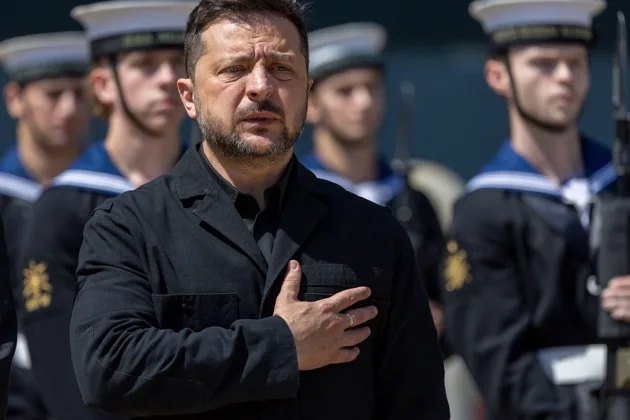
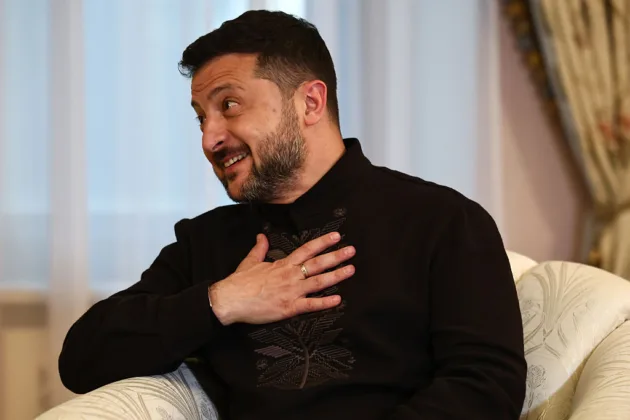
Following talks in Rome between Italian Prime Minister Giorgia Meloni and Ukrainian President Volodymyr Zelensky on April 15, both sides indicated an interest in strengthening defence co-operation, including possible joint production in the drone sector.
Although no formal agreement has yet been announced, the initiative reflects a broader European trend towards integrating Ukraine’s battlefield experience into domestic defence industries, particularly in unmanned systems.
Italian officials have framed such co-operation as part of a wider effort to reinforce European security architecture amid Russia’s ongoing war in Ukraine.
Moscow has reacted sharply to expanding European defence collaboration with Ukraine, warning that increased industrial support and drone production linked to Kyiv are drawing European states deeper into the conflict.
In statements accompanying the publication of the list, Russian officials suggested that western military-industrial involvement in Ukraine’s war effort carries strategic consequences, without specifying any concrete operational measures.
The episode underlines a broader shift in European defence policy, as governments seek to scale up industrial output in response both to the war in Ukraine and to longer-term security concerns across the continent.
The latest exchange highlights an increasingly complex layer of confrontation between Moscow and European governments, extending beyond the battlefield into industrial exposure, deterrent signalling and information pressure.
With European states becoming more deeply involved in defence production linked to Ukraine’s war effort, Russia’s publication of site-specific data is being viewed in European capitals as part of a broader strategy aimed at deterring industrial co-operation through public identification and implied strategic risk.