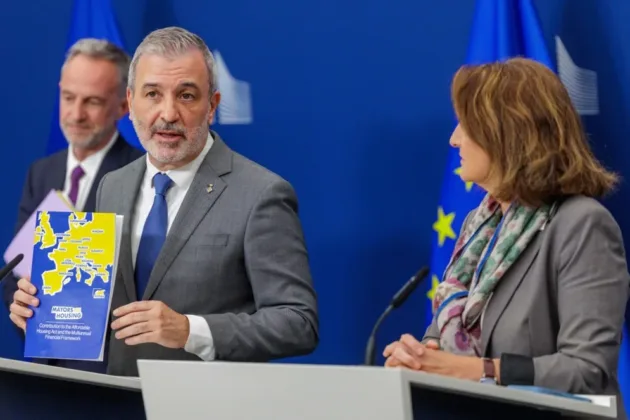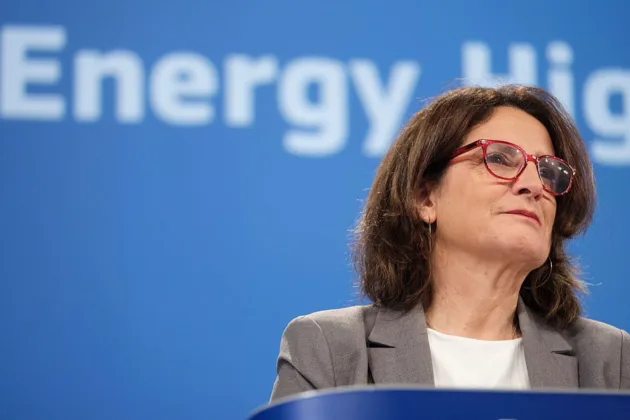








As the European Commission moves to tackle the housing crisis through joint meetings with the European Parliament and European mayors, scholars have warned that its proposed housing plan “will worsen the crisis”.
They argued that the EU European Affordable Housing Plan is flawed and this is not based on solid research, ignores housing studies and evidence and does not reflect what expect have already told the EU insitution.
In a joint letter sent yesterday to European Housing Commissioner Dan Jørgensen, more than 50 scholars from across the European Union offered recommendations to address the issue.
“Treating the housing crisis as a temporary imbalance of supply and demand overlooks the structural transformations that have reshaped European housing systems since the 1980s,” they said.
They criticised the Commission, arguing that the current plan appeared designed to benefit investors and the housing market rather than the people who actually need affordable homes.
“Without strong regulatory safeguards and an extensive public and non-profit housing sector, this approach intensifies rather than alleviates exclusion and displacement,” they said.
“Instead of ambiguous references to affordability, member states should work towards developing a robust public housing sector that truly safeguards households from the speculative and extractive operations of an increasingly financialised private housing sector,” they insisted.
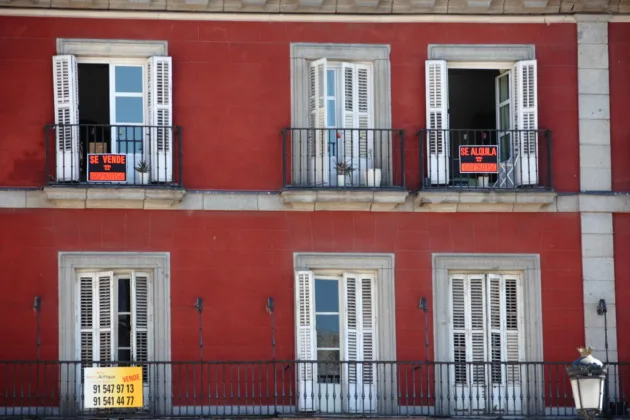
Various reports highlight the deepening crisis in Europe. For example, Spain’s housing market is shifting from prioritizing single-home ownership toward serving as a vehicle for wealth accumulation.
On paper, the European Commission’s housing plan reads like a model answer.
It pledges support for young people and the homeless while promising tighter rules on short-term rentals. It leans on EU funding tools, from InvestEU to cohesion funds, alongside a new pan-European investment platform to boost social and affordable housing, back non-profit developers, and cut through red tape that slows building and renovation.
However, the commitments are vague, and enforcement quasi non-existent. There is no meaningful framework for rent control or tenant protection which goes against the reality of surging costs.
Eurostat data shows house prices in the EU have jumped by 53 percent between 2010 and 2024, while rents have risen by 25 percent.