


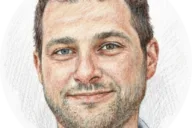
Public anger has mounted in the United Kingdom over the death of an 18-year-old British student who lay dying in a Southampton street, southern England, after being stabbed four times, only for police officers to handcuff him instead of immediately treating his wounds after his alleged attacker claimed he had been racially abused.
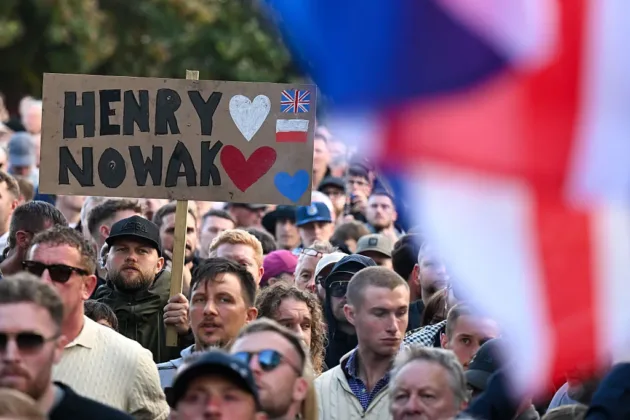
Henry Nowak, a first-year accountancy and finance student at the University of Southampton from Chafford Hundred in Essex, was walking home from a night out with football teammates in the Portswood area in the early hours of December 3, 2025 when he encountered 23-year-old Vickrum Singh Digwa.
They appear to have bumped against each other, with Nowak saying that Digwa “could have moved a little more”.
According to evidence presented at Southampton Crown Court, Nowak had been filming on his phone and jokingly called Digwa “a bad man” after noticing a large ceremonial Sikh knife — a kirpan with a 21cm blade — that Digwa was carrying openly displayed in a sheath over his clothing.
Digwa then allegedly stabbed Nowak four times, including a deep wound to the chest that punctured a lung and wounds to the back of his legs.
As Henry collapsed and bled heavily, Digwa told arriving Hampshire Police officers that he had been racially abused and attacked by a “drunken” man who was “stumbling a little”.
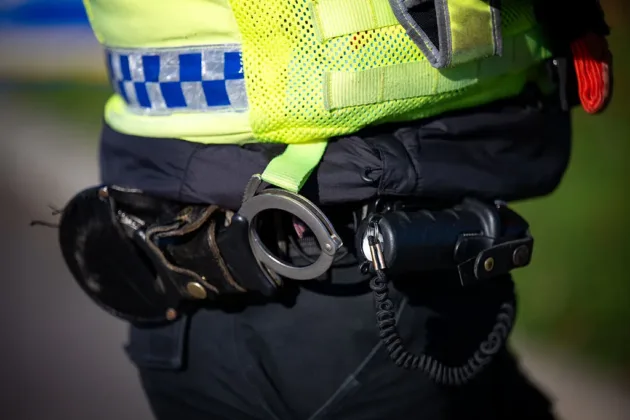
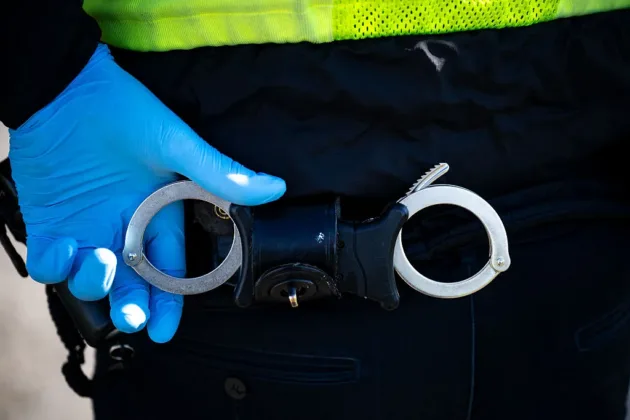
Officers handcuffed the visibly injured teenager.
Bodycam footage shown in court captured Henry protesting that he had been stabbed and struggling to breathe while restrained. He soon lost consciousness and choked to death in a pool of his own blood on the street.
First aid was only administered after he collapsed. He was pronounced dead at the scene despite efforts by paramedics and a doctor flown in by helicopter.
A post-mortem examination confirmed four stab wounds and a cut to the jaw. Blood tests on Nowak showed that his blood alcohol level at the time of his death was low, and he would have been legally allowed to drive a car.
Prosecutors allege Digwa removed his own turban to suggest Nowak had pulled it off and later had his mother hide the murder weapon. Digwa claims to have been attacked first and to have acted in self-defence. He denies murder.
“I was thinking in my mind he’s recording me and this has just escalated. During these months there had been a lot of attacks on Sikhs and a lot of them had been videoed as well by the attackers,” he told the court.
“I thought I had to do something because I was afraid that he was going to stab me with my own [knife],” he claimed.
The phone Nowak had used to record the encounter was later recovered by the police.
His mother, 53-year-old Kiran Kaur, faces a charge of assisting an offender, with prosecutors alleging she removed the knife from the scene and kept it at the family home on nearby St Denys Road.
Digwa said: “I felt abused, scared, it made me feel a bit better that I had my family there. My mind was fuzzy, everything went on so quickly, I couldn’t comprehend everything that was going on.”
“I cried, I was scared. I didn’t mean to do it and I am sorry it happened,” he said. He claimed he only realised Nowak had been stabbed in the chest during his first police interview.
Digwa’s family appeared at the scene after the stabbing, and it was his brother who called the police. Officers were not told a stabbing had taken place; on the contrary, the brother reported an alleged racist incident.
“We just got attacked racially by some white person… Physically attacked my brother, we’re Sikhs, we wear turbans, and he attacked my brother,” the brother said.
A video shown to the jury captured Digwa and his brother accusing Nowak of racism, with Nowak heard denying it. Instead he said he had been stabbed. Digwa denied this, replying: “No one stabbed you bro… you’re drunk”. His father chimed in and accused Nowak of “pretending”.
When the police arrived, their body camera footage showed Digwa’s father holding Nowak against the wall of a house. “He keeps dropping down, so I am just trying to keep him up,” the father said.
Nowak, who had a punctured lung, can be heard saying “can’t breathe”.
The teen told officers he had been stabbed and could not breathe while lying on his side, but the police put him in handcuffs. The officer said he was under arrest on suspicion of assault.
The Daily Echo has reported that the police also secretly recorded Digwa and his brother while in custody. The brother could be heard saying: “You should say it was self defence,” to which Digwa responded: “It was my fault, or mistake.”
The brother asked Digwa why he had used his knife, adding: “You should have hit him, beaten him up.” Digwa replied: “I am a fool, an idiot.”
Officers tried to interview Digwa five times, but he refused to answer questions and only submitted a statement repeating his accusations. “I was petrified as he pulled out his phone to record his attack… I acted to stop the attack,” he wrote, adding: “I did not intend to injure Henry Nowak or for him to lose his life. I acted in self defence to protect myself.”
The trial continues and both defendants deny the charges.
While the case has a dark resemblance to the George Floyd case, attention for the death of the handcuffed teen has been rather subdued, with mainly the political Right addressing it.
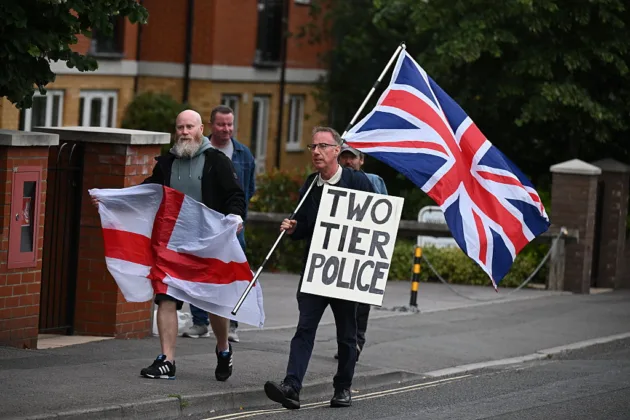
Reform UK said it was another case of “two-tier” policing, where decisions were made based on race rather than on the facts. No officer involved is known to have been suspended or sanctioned.
Online, the outrage has been more intense. Tesla and SpaceX chief executive Elon Musk and many others have publicly commented on the case, with Musk offering to fund a potential wrongful death lawsuit against the police, whom he labelled “disgusting excuses for law enforcement”. His posts on X were viewed by more than 49 million users, according to the platform.
In recent years the UK has seen several high-profile cases that have fuelled accusations of institutional failure. A security guard at Manchester Arena admitted he had failed to stop suicide bomber Salman Abedi in 2017 for fear of appearing racist, contributing to the deaths of 22 people.
The 2024 Southport murders, in which Axel Rudakubana — the son of Rwandan immigrants — stabbed three young girls to death, saw initial media and police reporting heavily criticised for downplaying the attacker’s background.
Widespread “Two-Tier Keir” claims emerged after the 2024 riots, with many arguing that native British protesters faced far harsher treatment than other groups.
These controversies sit alongside the long-running grooming gangs scandal, where authorities in multiple towns ignored the systematic rape and exploitation of thousands of girls, largely by Pakistani-origin networks, due to fears of racism accusations.
The Henry Nowak case has once again added to the growing public anger.
There were massive international protests over George Floyd and those police involved were severely punished with long prison sentences, yet the police responsible here did not even lose their jobs!
An incredibly unjust double-standard! https://t.co/XIicCNy59f
— Elon Musk (@elonmusk) May 20, 2026