
Renew Europe President and French MEP Valérie Hayer has accused two French conservative media outlets of relaying Kremlin narratives and called on the country’s media regulator to intervene.
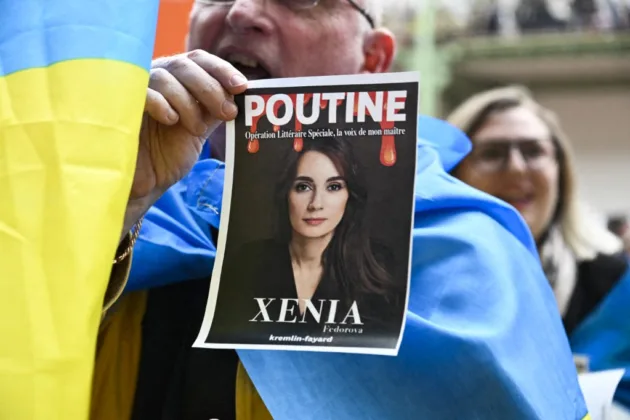
In a May 13 letter addressed to French audiovisual watchdog Arcom, Hayer singled out broadcasters CNews and Europe 1 over their repeated appearances by former Russia Today France chief Xenia Fedorova in discussions surrounding the war in Ukraine.
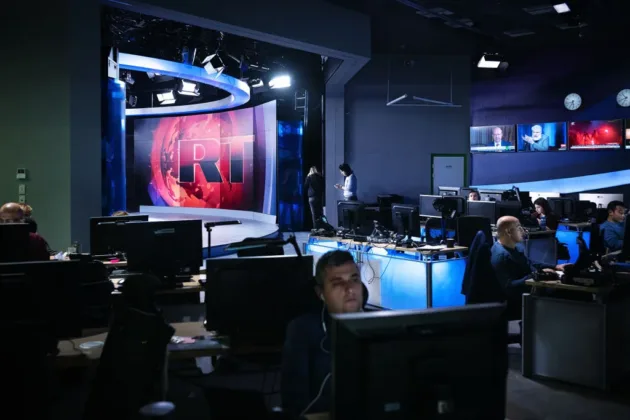
The Russian media outlet was banned from broadcasting in the European Union in 2022 as part of the sanctions imposed on Russia over Ukraine.
According to Hayer, Fedorova has been presented to audiences simply as a “journalist”, “essayist” or “author”, without sufficient reference to her previous leadership role at the now-banned Russian state-backed outlet RT France.
“This lack of editorial contextualisation deprives the public of an essential element for assessing the nature and origin of the statements made on air,” she said.
She argued that such practices could breach French broadcasting obligations concerning accuracy, honesty and pluralism in news coverage.
“For years, Xenia Fedorova has disseminated the propaganda of a State — Russia — that is under European sanctions,” Hayer stated.
Several of the remarks cited by her as examples of “Kremlin propaganda” remain politically contentious but do not necessarily constitute disinformation in the strict sense.
Among the statements highlighted were claims that “the objective of certain European heads of state is to transform their economy into a war economy against Russia” and that “Europe is losing its chances to repair its relationship with Russia, which would be beneficial to the European economy”.
Unlike other comments attributed to Fedorova, which could constitute propaganda – including disputed claims regarding documented war crimes – some of her remarks fall more within the realm of political analysis.
Hayer nevertheless argued that such interventions cannot be dismissed as merely “alternative opinions” but amount instead to the repeated amplification of narratives aligned with Russian state interests during wartime.