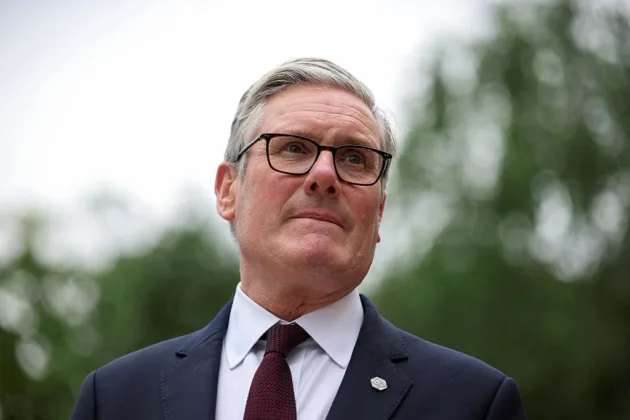


British Prime Minister Keir Starmer is refusing to resign despite a full-scale revolt within his Labour Party ranks following its worst local election drubbing in living memory.
The PM has adopted a defiant stance, insisting he was elected for a full five-year term and will not “walk away and plunge the country into chaos”.
“The Labour Party has a process for challenging a leader and that has not been triggered. The country expects us to get on with governing. That is what I am doing and what we must do as a Cabinet,” Starmer said today.
His main focus during a Cabinet meeting this morning was on policy issues and the impact of the Iran war.
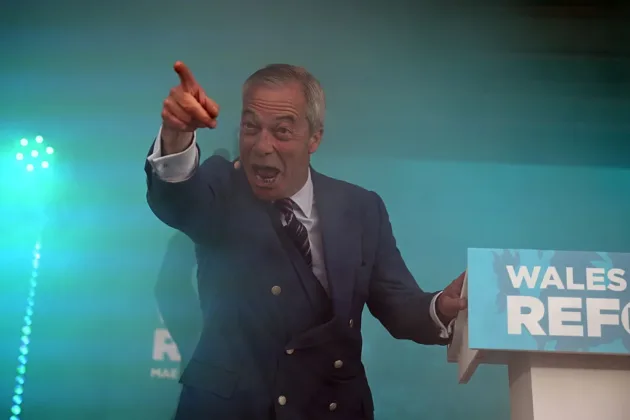
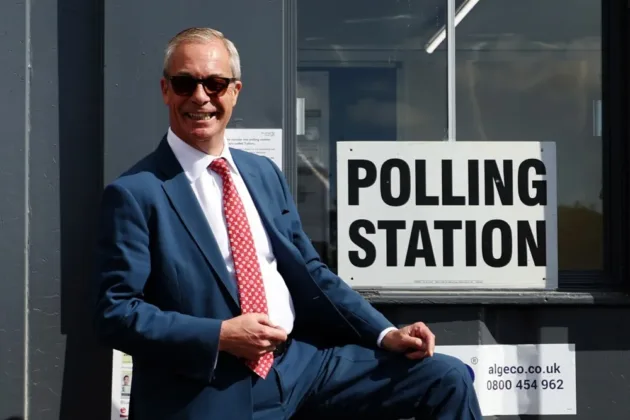
In the May 7 local elections, Labour lost more than 1,400 council seats across England, control of dozens of councils and suffered heavy defeats in Wales, with Nigel Farage’s Reform UK making spectacular gains.
The results have triggered open mutiny and at least 80 Labour MPs have now called for Starmer to set a departure timetable or resign.
“Keir Starmer must end this chaos and now set out a timetable for a reasonable and orderly transition to a new leader,” MP Rebecca Long-Bailey wrote on X today.
Labour MP Paulette Hamilton said Starmer has “thrown the gauntlet out” by not stepping down as Prime Minister. She said he made a mistake by this and that he was behaving like “a stubborn child” who refused to listen.
Communities minister Miatta Fahnbulleh today became the first minister to resign in light of the election losses. She is close to energy secretary Ed Miliband, who reportedly urged Starmer to go.
On top of this, four government aides have quit in protest and senior figures are reportedly urging an orderly transition.
Reports suggest heavyweight Cabinet ministers including Home Secretary Shabana Mahmood have privately told Starmer it is time to go.
Defence secretary John Healey, culture secretary Lisa Nandy, and health secretary Wes Streeting reportedly voiced similar opinions.
After this morning’s cabinet meeting, though, some ministers spoke in defence of the PM.
They included business secretary Peter Kyle, who said that Starmer has shown “steadfast leadership” and that “nothing has been triggered”.
Technology secretary Liz Kendall and housing secretary Steve Reed also voiced their support for the embattled PM, together with Labour Chair Anna Turley.
In a high-stakes speech yesterday billed as a reset, Starmer acknowledged “unnecessary mistakes”, took personal responsibility for the “very tough” results and admitted the party had failed to connect with voters.
Yet he struck a combative tone, vowing to prove doubters wrong by delivering on growth, cheaper energy, housing and defence while fighting on to the next general election. The address appeared to have failed to stem the tide of criticism.
“I was elected for a five-year term to meet these challenges and I’m not going to walk away,” Starmer declared. He has repeated the message in interviews, rejecting any suggestion that he should step down.
His net approval ratings remain deeply negative, with voter frustration boiling over on immigration, taxes, living standards and a sense that little tangible change has materialised since Labour’s 2024 landslide national election victory.
Reform UK’s surge has capitalised directly on that discontent, particularly in traditional Labour areas.
For a leader who entered Downing Street promising stability after years of Conservative chaos, the reversal is dramatic. With a once-commanding majority now looking vulnerable and his own party in open discord, Starmer’s insistence on staying risks prolonging the turmoil rather than resolving it.
Potential successors such as Streeting and Greater Manchester Mayor Andy Burnham are already being discussed in Westminster, although triggering a formal leadership contest would be messy and damaging.
To do so against Starmer under current Labour Party rules, a challenger would need the written support of 20 per cent of the Parliamentary Labour Party (PLP).
With Labour currently having around 405 MPs, that threshold is 81 nominations. These must be formal, written nominations submitted to the party’s General Secretary Hollie Ridley.
UK Prime Minister Keir Starmer is fighting for his political life over an unrelenting scandal related to the appointment of ex-Jeffrey Epstein associate Peter Mandelson as British ambassador to Washington. https://t.co/ygj7bkMa5t
— Brussels Signal (@brusselssignal) April 23, 2026